
Pet Dental Checkup: Questions for Your UK Vet
On this page
Quick answer
Before a pet dental checkup, record changes in breath, chewing, appetite, drooling, food dropping, face rubbing, gum bleeding, and visible broken or loose teeth. Do not force the mouth open or scrape tartar. Ask the vet what they can see while the pet is awake, whether dental X-rays or a procedure under general anaesthetic are recommended, how pain will be managed, what costs may change, and which pet-safe home routine to begin after the mouth is comfortable.
A pet dental checkup is a veterinary assessment of teeth, gums, mouth tissues, pain, and function. An awake look can identify many problems, but a full examination below the gumline and dental X-rays may require general anaesthesia. The plan is individual to the animal and species.

When to book sooner
Do not wait for the next routine booster if a pet shows mouth pain or a sudden change. Dogs and cats may continue eating despite painful dental disease, so appetite alone does not rule out a problem.
Contact the veterinary practice promptly for:
- a broken, cracked, loose, discoloured, or missing adult tooth;
- red, swollen, bleeding, or receding gums;
- persistent bad breath or a sudden unusual mouth odour;
- drooling more than usual, especially with blood;
- chewing on one side, dropping food, or choosing only soft food;
- pawing or rubbing at the mouth or face;
- face, jaw, or under-eye swelling;
- weight loss, reduced grooming, or behaviour change;
- mouth injury, a lodged object, or chewing a very hard item.
Request an urgent appointment if the pet cannot close the mouth, appears in too much pain to eat, has significant facial swelling, has trouble breathing, has uncontrolled bleeding, or has suffered major trauma. Rabbits and other species can deteriorate quickly when they stop eating; call the vet immediately for species-specific advice rather than applying dog or cat timelines.

Poultry Health Services, Sheriff Hutton
Sheriff HuttonNorth YorkshireEngland
Castle House Sheriff Hutton, Industrial Park, Dale Rd, Sheriff Hutton, York YO60 6RZ, UK
Observe the mouth safely at home
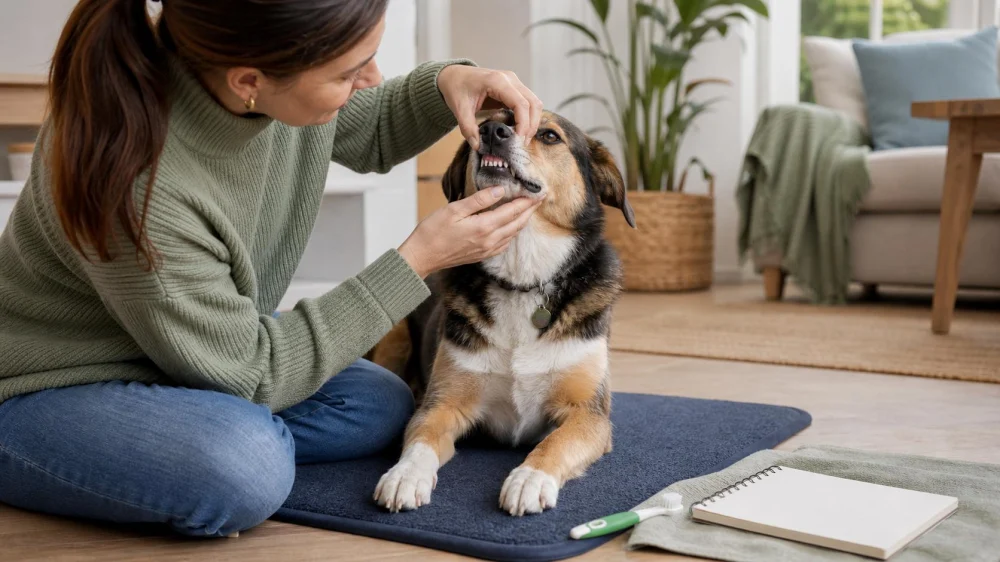
Only look when the pet is calm and comfortable. Use a non-slip surface, good light, and positive reinforcement. If the pet turns away, freezes, growls, scratches, tries to bite, or shows pain, stop. Pain changes behaviour, and no home photo is worth an injury.
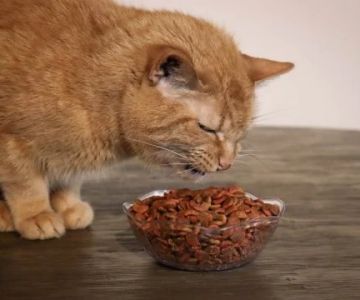
- Watch before touching. Observe how the pet picks up, chews, and swallows normal food.
- Smell without close face contact. Note a strong change; do not place your face near a painful animal’s mouth.
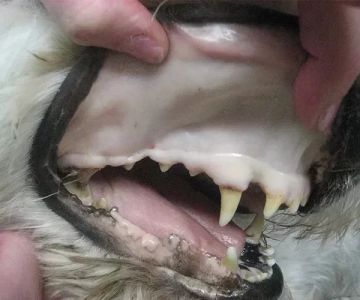
- Lift the lip briefly. Look at the outer tooth surfaces and gumline without levering the jaw open.
- Compare sides. Note swelling, missing teeth, asymmetry, tartar, bleeding, or a lesion.
- Take a quick photo if safe. Use it to show change, not to diagnose the pet online.
- Stop immediately if painful. Contact the practice and describe what happened.
Do not touch a loose tooth, pull an object, probe a wound, or test pain with a finger. Do not scale tartar with a metal tool. Home scraping can injure gums, damage enamel, miss disease below the gumline, and distress the pet.
Prepare a useful dental record
Bring concise information that connects mouth findings to daily function:
- when the change began and whether it is worsening;
- usual food and recent changes in texture or amount eaten;
- chews, toys, bones, sticks, stones, or other hard objects the pet accesses;
- current toothbrushing routine and exact pet dental products;
- medications, supplements, allergies, and previous anaesthetic reactions;
- previous dental procedures, extracted teeth, and dental X-rays;
- relevant heart, kidney, liver, breathing, bleeding, or immune conditions;
- insurance policy wording and dental exclusions if cost planning matters.
Bring photos or a short eating video only if they were obtained without changing the pet’s behaviour. Do not delay an urgent appointment to collect more evidence.
Questions about the examination
- Which teeth, gums, or tissues look abnormal?
- Do you see signs of pain, infection, trauma, retained baby teeth, or overcrowding?
- What cannot be assessed while my pet is awake?
- Would dental X-rays change diagnosis or treatment?
- Is the problem local, or could another illness contribute?
- How urgent is treatment, and what can safely happen while we wait?
- Which changes should trigger an earlier or emergency call?
- Should another vet with advanced dentistry experience be involved?
Ask the vet to show the finding or mark it on a dental chart when possible. “Dental disease” can include plaque, tartar, gingivitis, a fractured tooth, root disease, resorption, a retained tooth, a mass, or several problems. Understanding the specific finding makes consent and follow-up clearer.
Questions about a dental procedure
PDSA explains that a complete and effective dental examination and cleaning below the gumline generally requires general anaesthesia. Anaesthesia allows airway protection, full charting, dental X-rays when indicated, cleaning, and treatment without forcing a conscious animal to remain still.
Before consent, ask:
- What pre-anaesthetic examination or tests do you recommend and why?
- How will anaesthesia be monitored and who will monitor it?
- Are full-mouth or targeted dental X-rays planned?
- Which teeth are likely to need extraction, and what could only be decided during the procedure?
- How will you contact me if the treatment plan or estimate changes?
- What pain relief will be used before, during, and after treatment?
- When can the pet eat, drink, exercise, and resume toothbrushing?
- What bleeding, swelling, pain, or appetite change should prompt a call?
- When is the recheck?
Ask for a written estimate that separates examination, blood tests, anaesthesia, monitoring, X-rays, cleaning, extractions, medication, and rechecks. A vet may be unable to state the final extraction count before anaesthetised examination and imaging. Agree on a contact and cost range for unexpected findings.
“Anaesthesia-free dentistry” cannot provide the same examination and treatment below the gumline and may cause pain, distress, or missed disease. Discuss any offered service with your veterinary surgeon before booking it.
Plan home care with the vet
Brushing removes soft plaque before it hardens into tartar. It does not remove established tartar or treat a painful tooth. Begin or restart only when the vet confirms the mouth is comfortable and shows you a suitable technique.
- Use toothpaste made for the species; never use human toothpaste.
- Introduce handling slowly with reward-based training.
- Use the brush size and angle recommended by the veterinary team.
- Prioritise the outer tooth surfaces without forcing the mouth open.
- Stop if the pet shows pain, gums bleed, or behaviour changes.
- Ask which dental diets, chews, toys, gels, or water additives have useful evidence for this pet.
- Include treats and chews in the animal’s food allowance.
- Schedule the next veterinary dental review.
Very hard chews, bones, antlers, stones, and other rigid objects can fracture teeth. Ask the vet how to judge chew safety. Supervise every chew and remove pieces that can be swallowed or lodge in the mouth.
Species and life-stage notes
Dogs: crowding, retained baby teeth, fractures, and periodontal disease may be concerns. Flat-faced and small breeds can need particularly close monitoring, but any dog can develop dental disease.
Cats: reduced grooming, preference for soft food, drooling, and face rubbing may accompany dental pain. Cats can have painful problems that are not obvious from the visible tooth crown.
Rabbits and small herbivores: their teeth and feeding needs differ fundamentally from dogs and cats. Reduced eating or droppings can be urgent. Use an exotics-experienced vet and species-specific feeding advice.
Young pets: ask whether baby teeth are falling out normally and whether adult teeth are erupting in the right position.
Older or medically complex pets: age alone does not decide whether dental treatment is appropriate. Ask how current health, tests, monitoring, treatment benefit, and untreated pain affect the individual risk-benefit decision.
Evidence and limitations
The signs, annual check recommendation, role of dental X-rays, general anaesthesia, and pet-safe brushing guidance are based on UK veterinary charity PDSA’s dental disease guidance for dogs and dental disease guidance for cats. The RSPCA dog dental-care guide also advises veterinary direction and pet-specific toothpaste.
This article cannot diagnose dental disease, decide on anaesthesia, or select a product. Species, anatomy, temperament, medical history, and clinical findings change the plan. Advice from the pet’s veterinary team takes priority.
Frequently asked questions
Can a pet have painful teeth and still eat?
Yes. Dogs and cats may continue eating despite pain. Chewing on one side, dropping food, eating more slowly, choosing soft food, weight loss, or behaviour change can be important clues.
Can I remove tartar at home?
No. Do not scrape teeth. Hard tartar and disease below the gumline need veterinary assessment. Brushing helps remove soft plaque and is preventive, not a substitute for treatment.
Can I use human toothpaste for my pet?
No. Human toothpaste is not designed to be swallowed by pets and some ingredients can be harmful. Use only a species-appropriate product recommended by the veterinary team.
Does a veterinary dental always require general anaesthetic?
A full examination, X-rays, and effective cleaning and treatment below the gumline generally require general anaesthesia. Ask the vet how the individual pet will be assessed and monitored.
How often should a vet check my pet’s teeth?
PDSA recommends at least an annual veterinary check for dogs, with earlier review when signs appear. Species, age, breed, disease, and previous dental treatment may justify a different interval.
Next steps
Observe one normal meal, take a brief safe look at the outer gumline, and write down changes without forcing the mouth. Book the veterinary check, bring the medication and dental history, and ask for a specific diagnosis, urgency, imaging plan, anaesthesia monitoring, pain control, estimate range, and home-care start point.
 Crab Lane Vets4.0 (197 reviews)
 firstvets - Billy Mill4.0 (90 reviews)
 Myerscough Veterinary Group, Oswaldtwistle4.0 (134 reviews)
 Aqua Group4.0 (78 reviews)
 Rainbow Equine Hospital4.0 (77 reviews)
 Markham Pet Centre4.0 (873 reviews)
 Best Practices for Allergy Care in Guinea Pigs: Tips for a Healthy Pet
 UK Pet Owner’s Guide to Mental Health for Dogs
 How to Manage Your Pet’s Weight and Prevent Obesity: Expert Tips for Pet Owners
 The Ultimate Guide to Vaccinations for Dogs and Cats in the UK
 Expert Vet Advice on Travel Safety for Exotic Pets
 Top 10 Weight Management Tips Every Exotic Pet Owner in the UK Should Know