
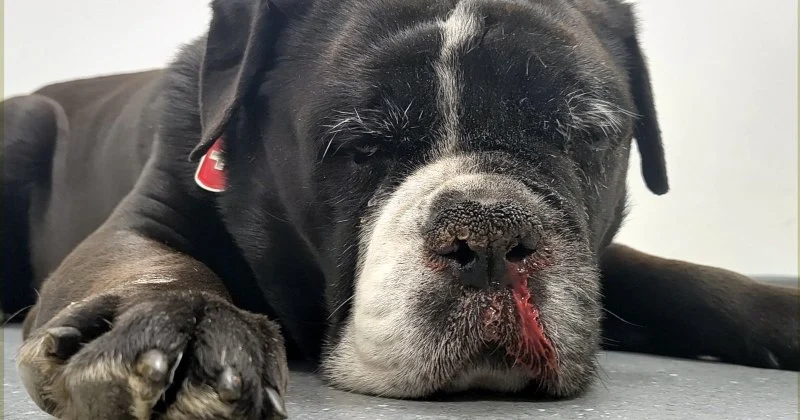
- Understanding-Dog-Nasal-Tumors
- Early-Warning-Signs-of-a-Nasal-Tumor-in-Dogs
- Why-Dogs-Sneeze-Blood-and-When-to-Worry
- Facial-Swelling-and-Other-Visible-Symptoms
- How-Veterinarians-Diagnose-Nasal-Tumors-in-Dogs
- Treatment-Options-and-Supportive-Care-for-Dogs
- Helping-Your-Dog-Live-Comfortably-After-Diagnosis
- Choosing-Quality-Pet-Health-Products-for-Your-Dog
Understanding Dog Nasal Tumors and Why Early Detection Matters
For many dog owners, noticing something unusual about their pet’s nose can be frightening. A little extra sneezing may seem harmless at first, but when symptoms such as blood in the sneeze, persistent nasal discharge, or facial swelling appear, many people start asking an important question: How to Tell If Your Dog Has a Nasal Tumour: Sneezing Blood and Facial Swelling?
A nasal tumor in dogs is a serious condition that develops inside the nasal passages or surrounding tissues. Although not every nose problem means cancer, persistent symptoms should never be ignored. Dogs often hide discomfort, and changes around the nose can sometimes be the first visible sign that something deeper is happening.
Unlike humans, dogs cannot tell us when they have pressure, pain, or difficulty breathing. As responsible pet parents, learning to recognize warning signs gives us the best chance to seek veterinary help early and improve our dog's quality of life.

What Is a Canine Nasal Tumor?
A canine nasal tumor is an abnormal growth that develops inside a dog's nasal cavity. These growths can be benign or malignant, but unfortunately, many nasal tumors found in dogs are cancerous.
The nasal cavity is a complex area filled with delicate tissues responsible for breathing and detecting smells. Because there is limited space inside the nose, even a small growth can eventually interfere with airflow and create noticeable symptoms.

Little miss piggy
1, Woodhouse Cottage, Middlesbrough Rd, Guisborough TS14 8JS, UK
Why Nasal Tumors Are Easy to Miss
One challenge with dog nasal tumors is that early symptoms often look like common issues. A dog may sneeze occasionally, have mild discharge, or appear slightly uncomfortable. Many owners initially assume it is allergies, a minor infection, or seasonal irritation.
A common story shared among veterinary communities involves older dogs that were treated several times for sinus infections before imaging revealed an underlying nasal mass. These situations highlight why recurring symptoms deserve closer attention.
Early Warning Signs of a Nasal Tumor in Dogs
Recognizing early symptoms is one of the most important steps when learning How to Tell If Your Dog Has a Nasal Tumour. While symptoms can vary depending on the location and size of the tumor, several warning signs appear frequently.
1. Persistent Sneezing
Occasional sneezing is normal for dogs. They may sneeze after sniffing grass, dust, or other environmental particles. However, frequent or intense sneezing that continues for weeks may indicate a problem inside the nasal passages.
When a tumor develops, it can irritate the sensitive lining of the nose, triggering repeated sneezing as the body attempts to clear the obstruction.
2. Bloody Nasal Discharge
One of the most concerning signs is blood coming from the nose. Dog sneezing blood is not something owners should overlook, especially when it happens repeatedly or only affects one side of the nose.
Blood may occur because a nasal tumor damages delicate blood vessels inside the nasal cavity. However, other conditions such as infections, foreign objects, or injuries can also cause bleeding, which is why veterinary evaluation is important.
3. Changes in Breathing
As a nasal tumor grows, it may restrict airflow. Owners might notice their dog breathing louder, struggling during exercise, or sleeping differently because of nasal blockage.
Some dogs may begin breathing through their mouth more often because their nose no longer allows comfortable airflow.
Why Dogs Sneeze Blood and When to Worry
Seeing your dog sneeze blood can be alarming. Many pet owners immediately search for answers online because they want to know whether they are facing a minor issue or something serious.
The reality is that bloody sneezing has multiple possible causes, but repeated episodes should always receive attention.
Common Causes of Bloody Sneezing in Dogs
- Nasal tumors or abnormal growths
- Foreign objects stuck inside the nasal passage
- Fungal or bacterial infections
- Nasal injuries
- Blood clotting problems
- Dental problems affecting the nasal area
The key difference is duration and pattern. A single sneeze with a small amount of blood after outdoor activity may have a different cause than repeated bloody sneezing occurring over several weeks.
When Bloody Sneezing Requires Veterinary Attention
Pet owners should consider contacting a veterinarian when they notice:
- Repeated nosebleeds
- Blood coming from only one nostril
- Facial swelling
- Loss of appetite
- Weight loss
- Behavior changes
- Difficulty breathing
Early examination can help identify the cause and provide more treatment options.
Facial Swelling and Other Visible Symptoms
Facial swelling is another important sign that can appear when a nasal tumor progresses. Because the nasal cavity sits close to the eyes, cheekbones, and upper jaw, growth in this area can affect surrounding tissues.
Why Nasal Tumors Cause Facial Swelling
As abnormal tissue expands, it may put pressure on nearby structures. This pressure can create visible changes, including swelling around the eyes, nose bridge, or upper face.
Some owners describe noticing that their dog's face looked slightly different in photos before realizing there was a medical issue. Small physical changes can sometimes be easier to notice when compared over time.
Other Physical Changes to Monitor
In addition to swelling, watch for:
- Changes in nose shape
- Excessive pawing at the nose
- Reduced sense of smell
- Eye discharge
- Unusual tiredness
How Veterinarians Diagnose Nasal Tumors in Dogs
If your dog shows symptoms associated with a nasal tumor, a veterinarian will usually perform a detailed examination rather than relying only on visible signs.
1. Physical Examination and Medical History
The veterinarian will ask questions about when symptoms started, how often sneezing occurs, whether bleeding is present, and whether your dog's behavior has changed.
Keeping notes about symptoms can be extremely helpful. Details that seem small at home may provide important clues during the appointment.
2. Imaging and Specialized Testing
Veterinarians may recommend imaging methods such as CT scans to examine structures inside the nasal cavity. These tests help determine the location and size of abnormal tissue.
In some cases, a biopsy may be needed to identify the exact type of growth and guide treatment decisions.
Why Early Diagnosis Makes a Difference
Early diagnosis can provide more opportunities for treatment and supportive care. Waiting until symptoms become severe may limit available options and make recovery more difficult.
Treatment Options and Supportive Care for Dogs
The treatment approach depends on factors such as the type of tumor, location, overall health, and age of the dog.
Veterinary Treatment Options
Possible treatments may include radiation therapy, surgery in selected cases, medication for symptom management, or supportive care focused on comfort.
Your veterinarian can explain the benefits and limitations of each option based on your dog's individual condition.
Supporting Your Dog’s Daily Comfort
Even when medical treatment is underway, everyday care plays an important role. Comfortable bedding, proper nutrition, regular monitoring, and reducing environmental irritants can help your dog feel better.
Helping Your Dog Live Comfortably After Diagnosis
A diagnosis involving a nasal tumor can feel overwhelming. Many owners immediately think about the worst outcome, but every dog’s situation is different.
Quality time with your pet remains valuable. Gentle walks, familiar routines, and close observation can help you notice changes quickly.
Creating a Supportive Home Environment
Reducing dust, smoke, strong fragrances, and airborne irritants may make breathing easier for dogs experiencing nasal discomfort.
Many pet owners also choose supportive products that help maintain overall wellness. At RegPets, pet parents can explore carefully selected products designed to support their dogs’ daily health needs and comfort.
Choosing Quality Pet Health Products for Your Dog
When caring for a dog with ongoing health concerns, choosing trustworthy pet products matters. The right nutrition, comfort accessories, and wellness supplies can become an important part of your dog's care routine.
What to Look For in Pet Health Products
Look for products with reliable ingredients, clear usage instructions, and a focus on your pet's specific needs. Quality should always come before convenience when making decisions about your dog's wellbeing.
Take Action for Your Dog’s Health
If you are searching for How to Tell If Your Dog Has a Nasal Tumour: Sneezing Blood and Facial Swelling, the most important step is paying attention to changes and seeking professional advice when something feels wrong.
Persistent sneezing, bloody discharge, and facial swelling should never be ignored. Early awareness can make a meaningful difference in your dog's comfort and care journey.
Explore trusted pet health solutions from RegPets to discover products that can support your dog’s everyday wellness and help you provide the best possible care for your companion.




 Beckys Cattery5.0 (1 reviews)
 Oakham Veterinary Hospital Equine4.0 (349 reviews)
 Fraser Veterinary Physiotherapy5.0 (2 reviews)
 Furry Friends Petcare Services5.0 (22 reviews)
 Rathgael Veterinary Clinic4.0 (240 reviews)
 Pengelly & Mizen Veterinary Surgeons4.0 (461 reviews)
 Vet-Approved Behaviour Training for Birds
 Vet-Approved Preventive Care for Dogs
 Can Guinea Pigs Eat Corn Husks? Safe Fibrous Treat Guide for Small Pets
 Expert Vet Advice on Preventive Care for Cats
 How to Choose the Right Pet Food for Your Dog or Cat – Expert Tips & Advice
 Spaying and Neutering Explained: Keeping Your Reptiles Healthy in the UK