
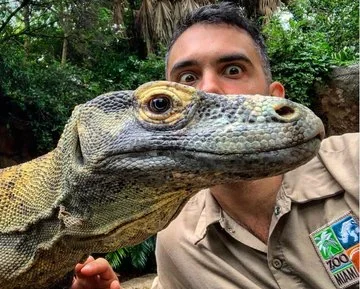
Top 10 Behaviour Training Every Reptile Owner in the UK Should Know
Reptile owners in the UK, like those around the world, know that training these fascinating creatures can be a rewarding yet challenging experience. Unlike traditional pets such as dogs and cats, reptiles require specific approaches to behaviour training due to their unique physiological and psychological characteristics. In this article, we will explore the top 10 behaviour training tips every reptile owner should know to enhance the relationship with their scaly friends.
- 1. Understanding Your Reptile's Natural Behaviours
- 2. Creating a Comfortable Environment
- 3. Handling with Care
- 4. Positive Reinforcement Techniques
- 5. Establishing a Feeding Routine
- 6. Using Enrichment to Stimulate Natural Behaviours
- 7. Bonding Through Reptile-Appropriate Interaction
- 8. Recognising Stress and Anxiety
- 9. Training for Tame Handling
- 10. Addressing Aggression and Fear
1. Understanding Your Reptile's Natural Behaviours
Before diving into any behaviour training, it’s essential to understand your reptile’s natural instincts. Different species exhibit unique behaviours, so getting familiar with what is normal for your pet can help you address issues effectively. For example, some reptiles are solitary and territorial, while others might enjoy social interaction. Knowing these traits will help you avoid forcing behaviours that are outside of their comfort zone.

Bridge Veterinary Group - Hartlepool
Vicarage Gardens, 13 Stockton Rd, Hartlepool TS25 1TU, UK
2. Creating a Comfortable Environment
Reptiles are highly sensitive to their environment, and a comfortable habitat is crucial for their wellbeing. To foster positive behaviour, make sure their enclosure mimics their natural habitat as closely as possible. Proper lighting, temperature, humidity, and space are essential to make them feel secure, which in turn can make training more effective.

Animal Rehabilitation Centre
Donaldsons Vets, Briarlyn Rd, Birchencliffe Hill Rd, Birchencliffe, Huddersfield HD3 3NL, UK
3. Handling with Care
Handling your reptile carefully is essential for building trust and encouraging them to be comfortable with human interaction. Start slow, and always support their body properly to avoid stressing them out. For many reptiles, patience is key—over time, they’ll grow accustomed to your touch, allowing for smoother training sessions.
4. Positive Reinforcement Techniques
Like most animals, reptiles respond well to positive reinforcement. Using treats, such as insects for lizards or fruit for turtles, can encourage desired behaviours. Always reward your reptile immediately after performing the behaviour, so they can associate the action with the reward. This method helps reinforce good habits.
5. Establishing a Feeding Routine
Reptiles thrive on routine, particularly when it comes to feeding time. Establishing a consistent feeding schedule can help your pet feel secure and reduce stress. Regular feeding times also create opportunities for behaviour training, as your reptile may be more likely to perform tasks or come out of hiding when they know food is involved.
6. Using Enrichment to Stimulate Natural Behaviours
Enrichment activities are essential for stimulating your reptile’s natural instincts and behaviours. Providing climbing structures for arboreal species or hiding spots for burrowers keeps them mentally and physically engaged. When reptiles are stimulated, they are more likely to interact positively with their environment and with you.
7. Bonding Through Reptile-Appropriate Interaction
Bonding with your reptile is important for training success. While reptiles don’t seek affection the same way mammals do, they can still form a bond with their owner through consistent, reptile-appropriate interaction. Spending quiet time near their enclosure or slowly introducing hands-on sessions can strengthen the relationship.
8. Recognising Stress and Anxiety
Stress and anxiety can negatively impact your reptile’s behaviour. Signs of stress include erratic movement, loss of appetite, or excessive hiding. It’s important to watch for these signs and adjust their environment or routine to alleviate stress. Reducing handling when they’re stressed and providing a calm environment can help them feel safe and improve their behaviour over time.
9. Training for Tame Handling
Training your reptile for tame handling is essential if you plan to interact regularly. Begin with short, calm sessions and gradually increase the duration. Many reptiles prefer brief interactions, so respect their limits. Over time, your pet will become accustomed to being handled, leading to a more manageable and enjoyable experience for both of you.
10. Addressing Aggression and Fear
Some reptiles, especially those with territorial instincts, may show aggression or fear. If your reptile exhibits these behaviours, it’s important to approach them carefully and avoid forcing interactions. Positive reinforcement, patience, and providing space for your reptile to retreat when needed can help reduce aggression and fear responses.
By following these 10 behaviour training tips, reptile owners in the UK can create a healthy and positive environment for their pets. With patience, consistency, and understanding of your reptile’s natural behaviours, training will become a rewarding experience for both you and your scaly companion.
If you’re ready to provide your reptile with the best care and training tools, visit RegPets for a wide range of reptile products and services.






 Gone Barking5.0 (7 reviews)
 Peejay Pet Superstore Ltd4.0 (1173 reviews)
 Sheerbliss Cattery5.0 (19 reviews)
 Calcaria Veterinary Practice4.0 (90 reviews)
 Crookedstone Cattery0.0 (0 reviews)
 Apisto Aquatics5.0 (25 reviews)
 Top 10 Behaviour Training Every Reptile Owner in the UK Should Know
 Common Vaccination Myths Debunked by UK Vets
 How to Handle Emergency Situations with Your Pet | Pet Safety Tips
 Complete Guide to Nutrition Tips for Hamsters: What Your Pet Needs to Stay Healthy
 Dealing with Anxiety and Stress in Pets: Vet Advice for UK Pet Owners
 Top 10 Behaviour Training Every Guinea Pig Owner in the UK Should Know