
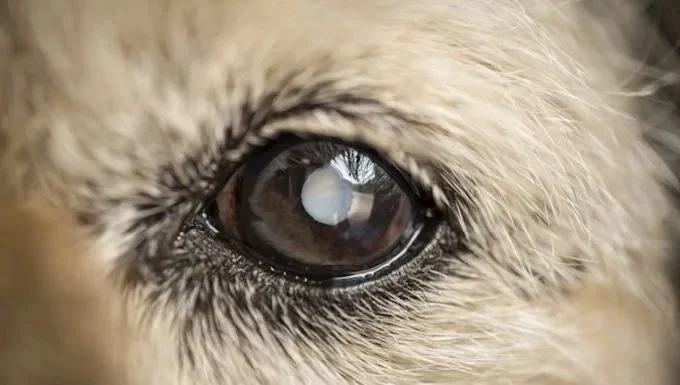
- dog-cataracts-symptoms - Understanding Signs of Cataracts in Dogs
- cloudy-eyes-in-dogs - Why Dogs Develop Cloudy Eyes and What It Means
- vision-loss-in-dogs - Recognizing Changes in Your Dog’s Sight
- causes-of-canine-cataracts - Common Reasons Dogs Develop Cataracts
- dog-eye-care - Supporting Healthy Vision Throughout Your Dog’s Life
What Are the Symptoms of Cataracts in Dogs?
A dog’s eyes are one of the most important ways they experience the world. They use their vision to navigate their surroundings, recognize family members, play, and explore new environments. When changes appear in a dog’s eyes, many owners immediately become concerned, especially when they notice a cloudy or bluish appearance.
One of the most common questions pet owners ask is: What are the symptoms of cataracts in dogs? Cataracts are an eye condition where the normally clear lens inside the eye becomes cloudy. This cloudiness can interfere with light passing through the eye and may eventually lead to partial or complete vision loss if left untreated.
The most noticeable sign of cataracts is often a cloudy appearance in the eye. However, cloudy eyes are not always caused by cataracts. Other age-related changes, injuries, or eye diseases can create similar appearances. Understanding the difference helps owners make better decisions about their pet’s health.
At RegPets, responsible pet care starts with education. Learning how to recognize changes in your dog’s eyes can help you seek veterinary guidance earlier and provide better support for your companion’s long-term wellness.
1. Early Signs of Cataracts in Dogs
Cataracts often develop gradually, which means early symptoms may be subtle. Some dogs continue normal activities for months before owners notice obvious vision changes.
Common early signs include:
- A slight cloudy or hazy appearance in the eye
- A bluish, gray, or white reflection in the pupil area
- Difficulty seeing in dim lighting
- Occasional hesitation when walking in unfamiliar areas
- Reduced interest in activities that require visual tracking
A dog with early cataracts may still appear happy and active. This is because dogs rely heavily on their other senses, especially smell and hearing. A gradual decline in vision may not immediately affect their confidence or daily routine.

2. Signs That Cataracts May Be Affecting Vision
As cataracts progress, the cloudiness can become more severe and block more light from entering the eye. This can create noticeable changes in behavior.
Owners may observe symptoms such as:
- Bumping into furniture or walls
- Difficulty finding toys or food bowls
- Reluctance to climb stairs
- Increased anxiety in unfamiliar places
- Missing objects that are directly in front of them
Some dogs become less playful because activities they once enjoyed become more challenging. A normally energetic dog may hesitate before jumping onto furniture or exploring new areas.
One example is a senior Labrador Retriever named Max, whose owner noticed he stopped chasing his favorite ball in the backyard. At first, the family thought he was simply slowing down because of age. After noticing that Max walked cautiously near obstacles, they scheduled an eye examination and discovered developing cataracts. Early awareness helped the family adjust his environment and discuss possible care options with their veterinarian.
Cloudy Eyes in Dogs: Understanding What Changes Mean
Seeing cloudy eyes in dogs can be alarming for owners. The eyes are normally clear, bright, and reflective, so any change in appearance naturally attracts attention.
However, not every cloudy eye is a cataract. Several different conditions can cause changes in eye appearance, and each has different implications for treatment and management.
1. Cataracts Compared With Normal Aging Changes
Many older dogs develop a condition called nuclear sclerosis, which causes the lens of the eye to appear bluish or cloudy. Unlike cataracts, nuclear sclerosis usually does not significantly interfere with vision.
This condition occurs because the lens fibers become denser as dogs age. It is considered a normal aging change in many senior pets.
Cataracts are different because they involve an actual opacity within the lens. Instead of simply changing color, the lens becomes less transparent and prevents normal light transmission.
2. How Cataracts Usually Look
A cataract may appear as:
- A white spot inside the pupil
- A cloudy film covering part of the eye
- A gray or opaque lens appearance
- A change from a clear eye surface to a foggy appearance
The appearance can vary depending on how advanced the cataract is. Some dogs develop small cataracts that remain stable, while others experience faster progression.
Vision Loss in Dogs: Recognizing Changes in Daily Behavior
Dogs experiencing vision loss often adapt surprisingly well. Their strong sense of smell and ability to memorize familiar spaces allow many dogs to maintain a good quality of life even with reduced eyesight.
However, owners should still pay attention to behavioral changes because they can indicate that a dog is struggling.
1. Changes Around the Home
A dog with declining vision may behave differently in familiar environments. Some common changes include:
- Walking more slowly around the house
- Hesitating before entering dark rooms
- Becoming startled when approached silently
- Following family members more closely
- Having trouble locating familiar objects
These behaviors are not always signs of fear or aging. Sometimes they are practical responses to reduced visual information.
2. Creating a Comfortable Environment
When dogs experience vision changes, simple adjustments can make everyday life easier.
Owners can help by keeping furniture in consistent locations, avoiding unnecessary obstacles, and using sound cues to communicate. Maintaining familiar routines also provides reassurance.
Dogs are excellent at adapting when their environment remains predictable. Many pets with vision problems continue enjoying walks, playtime, and family interaction with proper support.
(继续下一部分:causes of canine cataracts、诊断方式、治疗选择、手术、饮食与护理建议、完整结尾,并闭合


 Beckys Cattery5.0 (1 reviews)
 Oakham Veterinary Hospital Equine4.0 (349 reviews)
 Fraser Veterinary Physiotherapy5.0 (2 reviews)
 Furry Friends Petcare Services5.0 (22 reviews)
 Rathgael Veterinary Clinic4.0 (240 reviews)
 Pengelly & Mizen Veterinary Surgeons4.0 (461 reviews)
 Vet-Approved Behaviour Training for Birds
 Vet-Approved Preventive Care for Dogs
 Can Guinea Pigs Eat Corn Husks? Safe Fibrous Treat Guide for Small Pets
 Expert Vet Advice on Preventive Care for Cats
 How to Choose the Right Pet Food for Your Dog or Cat – Expert Tips & Advice
 Spaying and Neutering Explained: Keeping Your Reptiles Healthy in the UK