
- understanding-dog-anaemia
- common-symptoms-of-anaemia-in-dogs
- why-pale-gums-and-lethargy-matter
- causes-of-anaemia-in-dogs
- how-vets-diagnose-canine-anaemia
- supporting-a-dog-with-anaemia
- protecting-your-dogs-long-term-health
Recognizing Dog Anaemia Signs Through Pale Gums, Low Energy, and Health Changes
1. Understanding Anaemia in Dogs and Why Early Recognition Matters
When a dog suddenly becomes tired, less playful, or appears different from their usual self, many pet owners wonder whether the change is simply related to age, stress, or a temporary issue. However, these changes can sometimes point to an underlying health condition. One important condition that every dog owner should understand is anaemia.
Anaemia in dogs occurs when the body does not have enough healthy red blood cells or enough haemoglobin to carry oxygen throughout the body. Because oxygen is essential for energy production and normal organ function, dogs with anaemia may experience noticeable changes in their behavior, activity levels, and physical appearance.
Understanding the symptoms of anaemia in dogs, especially signs such as pale gums and lethargy, can help owners recognize possible problems earlier and seek appropriate veterinary care before the condition becomes more serious.

Lilac Lodge Cattery
Carlton in LindrickNottinghamshireEngland
Woodhouse Ln, Carlton in Lindrick, Worksop S81 9AG, UK
Why Red Blood Cells Are Important for Dogs
Red blood cells act as the body's transportation system for oxygen. They travel through the bloodstream and deliver oxygen from the lungs to muscles, organs, and tissues. When red blood cell levels drop, the body struggles to maintain normal energy levels.
A dog experiencing anaemia may appear tired because their muscles are not receiving enough oxygen. Even simple activities like walking, climbing stairs, or playing with a favorite toy may become more difficult.

Bella's Box
WymondhamLeicestershireEngland
Unit 11, Bella's Box, Wymondham Windmill, Butt Ln, Wymondham, Melton Mowbray LE14 2BU, UK
How Anaemia Can Affect Everyday Life
Many owners notice small changes before obvious symptoms appear. A normally energetic dog may stop running around the yard, sleep more frequently, or lose interest in activities they once enjoyed.
These changes can be easy to overlook, especially in busy households. Pet owners often assume their dog is simply having a quiet day, but repeated signs should always be taken seriously.
2. Common Symptoms of Anaemia in Dogs
The symptoms of anaemia in dogs can vary depending on how quickly the condition develops and how severe the reduction in red blood cells becomes. Some dogs show mild changes, while others may experience more noticeable health problems.
1. Pale Gums and Pale Mucous Membranes
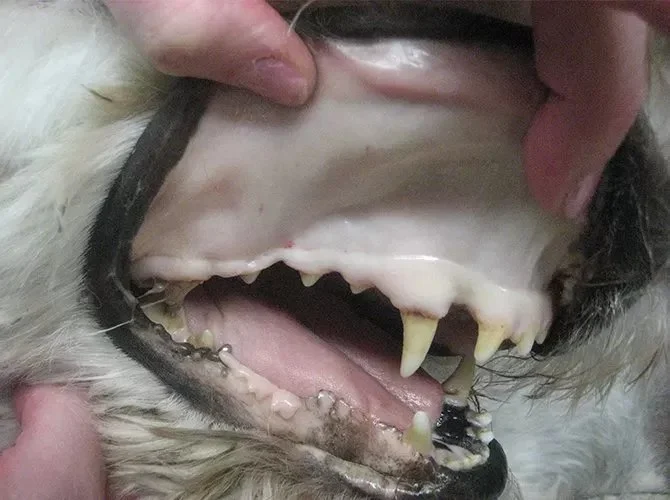
One of the most recognizable signs of anaemia is pale gums. Healthy dogs usually have gums that appear pink because of normal blood circulation. When a dog has anaemia, the gums may look lighter than usual, appearing pale pink, white, or almost gray.
Checking your dog's gums occasionally can be a useful way to notice changes. However, gum color alone cannot diagnose anaemia because other factors, including hydration, circulation issues, or certain illnesses, may also influence appearance.
2. Lethargy and Reduced Energy
Lethargy is another major warning sign. A dog that normally greets family members enthusiastically may become less responsive or prefer resting instead of playing.
Owners may notice behaviors such as:
- Less interest in walks
- Sleeping more than usual
- Slower movement
- Avoiding physical activity
- Difficulty keeping up during exercise
While occasional tiredness is normal, ongoing lethargy combined with other symptoms should be evaluated by a veterinarian.
3. Weakness and Exercise Intolerance
Dogs with anaemia may tire quickly because their bodies are working harder to supply oxygen. A dog that previously enjoyed long walks may suddenly need frequent breaks.
In more severe cases, weakness may become noticeable even during normal household activities. Some dogs may appear unsteady or struggle to stand after resting.
4. Increased Breathing or Heart Rate
Because the body is trying to compensate for reduced oxygen delivery, dogs with anaemia may breathe faster or have an increased heart rate.
This response helps circulate oxygen more efficiently, but it can place extra strain on the cardiovascular system if the condition continues.
3. Why Pale Gums and Lethargy Should Not Be Ignored
Among all possible signs, pale gums and lethargy are two symptoms that frequently encourage owners to seek veterinary advice. These symptoms are important because they reflect changes happening inside the body rather than just temporary discomfort.
The Connection Between Oxygen Levels and Behavior
Dogs rely on oxygen for every physical process, from movement to brain function. When oxygen delivery decreases, the body naturally reduces energy use.
This explains why a dog with anaemia may seem less enthusiastic, slower, or unusually quiet. The behavior is not simply laziness; it may be the body's way of conserving limited resources.
A Real-Life Example of Early Detection
Consider a family dog named Max, a seven-year-old Labrador Retriever who loved outdoor activities. His owners noticed that he stopped bringing his favorite ball back during playtime and spent more afternoons resting.
At first, they assumed Max was getting older. However, they also noticed his gums looked lighter than usual. After a veterinary examination, blood testing revealed that Max had anaemia caused by an underlying health issue.
Because the owners acted when they noticed subtle changes, treatment began earlier and Max was able to return to many of his normal activities.
4. Common Causes of Anaemia in Dogs
Anaemia is not a single disease. Instead, it is a symptom caused by different health problems. Understanding possible causes helps owners recognize why veterinary evaluation is important.
1. Blood Loss
One common cause of anaemia is losing blood faster than the body can replace it. This may happen because of injuries, internal bleeding, parasites, or certain medical conditions.
External wounds are usually easier to notice, but internal bleeding can sometimes occur without obvious signs.
2. Parasites
Parasites such as fleas, ticks, and intestinal worms can contribute to anaemia, especially in young dogs or dogs with heavy infestations.
Regular parasite prevention and routine veterinary care play an important role in protecting dogs from these risks.
3. Nutritional Problems
A balanced diet supports healthy blood production. In some cases, nutritional deficiencies may contribute to anaemia.
Pet owners should avoid making major dietary changes without professional guidance because dogs require specific nutrients in appropriate amounts.
4. Chronic Diseases
Certain long-term illnesses can affect the body's ability to produce healthy red blood cells. Kidney problems, immune-related conditions, infections, and other diseases may contribute to anaemia.
5. How Veterinarians Diagnose Anaemia in Dogs
If a veterinarian suspects anaemia, they typically perform a combination of physical examinations and diagnostic tests. The goal is not only to confirm anaemia but also to determine the underlying cause.
Physical Examination
During an examination, veterinarians evaluate gum color, heart rate, breathing patterns, body condition, and overall behavior.
Blood Tests
Blood testing is one of the most important tools for identifying anaemia. A complete blood count can provide information about red blood cell levels and other important indicators of health.
Additional Testing
Depending on the results, additional tests may be recommended to identify infections, parasites, internal problems, or other contributing factors.
6. Supporting a Dog With Anaemia at Home
Veterinary treatment depends on the cause and severity of anaemia. While professional care is essential, owners can also support their dogs by creating a safe and comfortable environment.
Providing Rest and Reducing Stress
Dogs recovering from anaemia may need extra rest. Avoiding intense exercise until a veterinarian provides guidance can help prevent unnecessary strain.
Maintaining Proper Nutrition
A nutritious diet supports overall wellness. Owners should follow veterinary recommendations regarding food choices, supplements, and feeding routines.
Monitoring Daily Changes
Keeping track of energy levels, appetite, gum color, and behavior can provide valuable information during recovery.
Pet owners looking for reliable pet care information, wellness products, and resources can explore RegPets for additional guidance and solutions designed to support everyday animal health.
7. Protecting Your Dog’s Long-Term Health
Preventing serious health problems begins with regular observation and responsible care. Dogs cannot explain when they feel unwell, so owners play an important role in noticing early warning signs.
Regular Veterinary Visits
Routine checkups allow veterinarians to detect possible concerns before they become more complicated. Preventive care is especially important for senior dogs or pets with existing health conditions.
Knowing Your Dog’s Normal Behavior
Every dog has unique habits. Understanding your pet's normal energy level, appetite, and personality makes it easier to recognize unusual changes.
Taking Action When Symptoms Appear
The symptoms of anaemia in dogs, including pale gums and lethargy, should never be ignored when they continue or appear alongside other warning signs. Early attention can make a significant difference in your dog's comfort and recovery.
By learning what to watch for and providing consistent care, you can help your dog enjoy a healthier and happier life. Explore RegPets for trusted pet care resources and products that help you provide the best support for your companion.






 firstvets - Forest Hall4.0 (130 reviews)
 easipetcare - Kettering4.0 (402 reviews)
 Rathgael Veterinary Clinic4.0 (240 reviews)
 Tic Tac Wheels4.0 (12 reviews)
 Lancashire Dog Treats5.0 (24 reviews)
 Phoebes pet store5.0 (1 reviews)
 How to Improve Reptiles Behaviour Training at Home
 Vet-Approved Skin and Coat Care for Kittens
 How to Perform a Monthly Dog Health Check at Home for UK Dog Owners
 Preventive Care Tips for Rabbits: What UK Pet Owners Need to Know
 Essential Tips for Caring for Senior Pets
 How to Improve Fish Behaviour Training at Home