
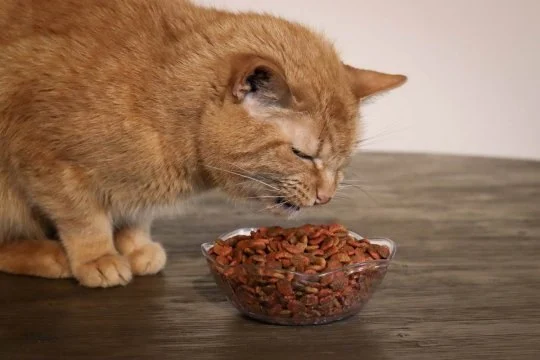
- cat-dropping-food-while-eating
- dental-pain-causes
- neurological-issues-in-cats
- other-reasons-cat-drops-food
- how-to-help-your-cat-eat-comfortably
Why Is My Cat Dropping Food While Eating? Understanding the Possible Causes
Watching your cat suddenly drop food while eating can be confusing and concerning. Cats are usually careful and efficient eaters, so when a normally healthy cat starts picking up food and letting it fall from their mouth, many owners immediately wonder if something is wrong. This behavior may seem minor at first, but it can sometimes indicate discomfort, pain, or difficulty controlling normal eating movements.
The question “why is my cat dropping food while eating?” has several possible answers. In many cases, dental pain is one of the most common explanations. However, neurological problems, jaw issues, changes in appetite, or even simple environmental factors can also contribute to this behavior.
Understanding the difference between dental problems and neurological concerns can help cat owners recognize when their pet needs attention. Early observation is especially important because cats are experts at hiding discomfort. A small change in eating habits may be one of the first visible signs that something is affecting their health.

1. Why Changes During Mealtime Should Not Be Ignored
Cats rely heavily on their mouths to explore, hunt, groom, and eat. Their teeth, tongue, jaw muscles, and nervous system all work together during feeding. If any part of this process becomes painful or difficult, a cat may begin dropping pieces of food, chewing differently, or avoiding certain foods.
For example, a cat that normally eats dry food quickly may suddenly pick up kibble, drop it, and walk away. Another cat may chew only on one side of the mouth or take longer than usual to finish a meal.
These subtle changes are important clues. While occasional food dropping may happen naturally, repeated behavior deserves closer attention.

Dental Pain: One of the Most Common Reasons Cats Drop Food
Dental discomfort is a leading reason a cat may struggle with eating. Just like humans, cats can experience tooth pain, gum inflammation, infections, and other oral health problems. Because cats often continue acting normally despite discomfort, eating changes may be one of the first signs owners notice.
1. Tooth Resorption and Hidden Dental Problems
One common dental condition in cats is tooth resorption, where the structure of a tooth gradually breaks down. This condition can be extremely painful, but cats often hide their symptoms.
A cat with tooth pain may approach food normally but then struggle once chewing begins. They may drop food, chew carefully, or suddenly prefer softer meals.
Other possible signs of dental discomfort include:
- Dropping dry food while eating
- Excessive drooling
- Bad breath
- Pawing at the mouth
- Less interest in crunchy food
- Eating slower than usual
2. Gum Disease and Mouth Inflammation
Gum disease can also make chewing uncomfortable. Plaque buildup, gingivitis, and oral infections may cause sensitivity around the teeth and gums.
A cat experiencing gum pain may still feel hungry but have trouble completing meals. This can create a frustrating situation where the cat wants to eat but cannot comfortably manage the food.
3. How Dental Pain Changes Eating Behavior
Cats with mouth pain often develop new eating habits. Some cats drop food because biting down hurts. Others may swallow pieces whole to avoid chewing. Some may even become interested in food but leave the bowl after a few attempts.
If your cat is showing these behaviors, checking oral health should be one of the first steps. Regular veterinary dental evaluations and proper home care can help support long-term comfort.
Could Neurological Issues Cause a Cat to Drop Food?
Although dental problems are more common, neurological issues can also affect a cat’s ability to eat properly. The nervous system controls muscle movement, coordination, and sensation. When these systems are affected, a cat may have difficulty controlling food inside the mouth.
1. Problems With Jaw or Facial Control
A neurological problem may interfere with the muscles responsible for chewing and swallowing. A cat may appear interested in food but seem unable to manage it properly.
Signs that may suggest a neurological concern include:
- Difficulty controlling the tongue
- Sudden changes in chewing ability
- Head tilting
- Loss of balance
- Unusual facial movements
- Difficulty picking up objects
2. Nerve Problems Affecting Eating
The nerves controlling the face and mouth play an important role in eating. If these nerves are affected, a cat may struggle with grasping food, moving the jaw correctly, or coordinating chewing movements.
Unlike dental problems, neurological issues often come with additional changes in behavior or movement. Owners may notice that their cat is acting differently beyond mealtime.
3. When Neurological Signs Need Attention
If food dropping happens suddenly and is accompanied by other unusual symptoms, it is important to take the situation seriously. Sudden coordination problems, weakness, confusion, or abnormal movements require professional evaluation.
Cats cannot explain when something feels wrong, so observing small details can provide valuable information for identifying possible health concerns.
Other Reasons Your Cat May Drop Food While Eating
Not every case of food dropping is caused by serious illness. Sometimes simple changes in eating conditions or habits can create similar behavior.
1. Food Texture Preferences
Some cats become more selective about food texture as they age. A cat that once enjoyed hard kibble may find softer foods easier to manage.
Older cats especially may experience changes in chewing ability, making wet food or softened meals more appealing.
2. Bowl Design Problems
The type of food bowl can also affect eating behavior. Some cats dislike deep bowls because their whiskers touch the sides while eating. This can make them uncomfortable and cause unusual eating habits.
A shallow, wide bowl may help some cats eat more naturally.
3. Eating Too Quickly
Some cats eat rapidly and accidentally drop pieces of food. Fast eaters may grab more than they can comfortably chew.
Using smaller portions, slow feeders, or spreading food across a larger surface may help reduce this issue.
4. Age-Related Changes
As cats grow older, changes in strength, vision, dental health, and coordination can influence how they eat. A senior cat dropping food may simply need adjustments to make meals easier and more comfortable.
How to Help Your Cat Eat More Comfortably
When your cat is dropping food while eating, there are several ways to support them while determining the underlying cause.
1. Observe Eating Patterns Carefully
Pay attention to when the problem occurs. Ask yourself:
- Does your cat drop only dry food?
- Does the behavior happen at every meal?
- Is your cat chewing on one side?
- Are there changes in appetite or weight?
These details can help identify whether the issue is related to food texture, dental discomfort, or another health concern.
2. Try Making Meals Easier
Temporary adjustments may make eating more comfortable. You can consider:
- Offering softer food options
- Using a shallow feeding dish
- Serving smaller portions
- Keeping feeding areas quiet
These changes do not replace professional care, but they can help reduce stress during meals.
3. Maintain Regular Cat Health Care
Preventive care is one of the best ways to protect your cat’s quality of life. Routine checkups, dental monitoring, and attention to behavior changes allow problems to be identified earlier.
For cat owners looking for trusted pet care resources, nutrition options, and helpful products, RegPets provides guidance and solutions designed to support everyday pet wellness.
Understanding Your Cat’s Signals Before Problems Get Worse
Cats communicate through small behavioral changes. A slight difference in eating habits can reveal important information about their comfort and health.
Many owners notice problems only after symptoms become obvious, but paying attention to early signs can make a significant difference. A cat dropping food while eating may be a simple habit, but it may also be the first indication of dental pain or a neurological issue.
1. Creating a Better Feeding Routine
A comfortable feeding routine includes fresh water, appropriate food texture, a calm environment, and regular observation. Small improvements can help cats feel safer and more relaxed during meals.
2. Building a Stronger Connection With Your Cat
Understanding your cat’s normal behavior makes it easier to notice changes. Every cat has unique eating habits, and knowing what is normal for your pet is one of the most valuable tools you have.
If your cat begins dropping food frequently, struggles while chewing, or shows other unusual symptoms, learning more about possible causes and exploring reliable pet care options can help you provide better support.





 F.E.T.C.H by VSA0.0 (0 reviews)
 Chubby Mealworms4.0 (98 reviews)
 Myerscough Veterinary Group, Haslingden3.0 (46 reviews)
 Flynn Vets Ballynahinch4.0 (89 reviews)
 The Dog Grocer5.0 (33 reviews)
 Vets4Pets South Shields4.0 (580 reviews)
 How to Improve Senior Pets Common Illnesses at Home
 The Importance of Mental Health for Birds – UK Edition
 Health Checkup Tips for Cats: What UK Pet Owners Need to Know
 Travel Safety Tips for Puppies: What UK Pet Owners Need to Know
 First Aid Tips Explained: Keeping Your Puppies Healthy in the UK
 Complete Guide to Parasite Prevention for Hamsters