
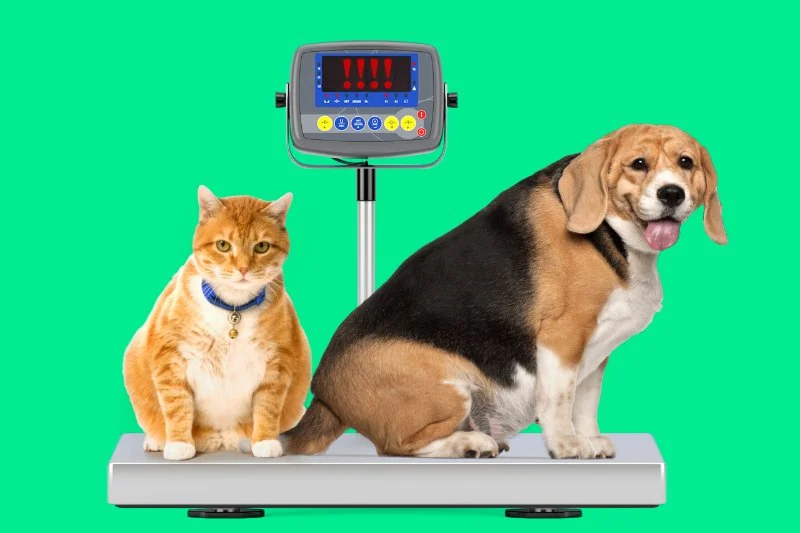
- 1- The Importance of Managing Your Pet's Weight
- 2- The Risks of Obesity in Pets
- 3- How to Manage Your Pet’s Weight Effectively
- 4- Signs Your Pet May Be Overweight
- 5- Preventing Obesity: Proactive Tips for Pet Owners
- 6- Real-Life Case: A Success Story in Weight Management
- 7- Recommended Products for Managing Pet Weight
1- The Importance of Managing Your Pet's Weight
Just like humans, managing a pet's weight is crucial for their overall health and well-being. An unhealthy weight can lead to various medical conditions, including diabetes, arthritis, and heart disease. Regular weight management helps your pet live a longer, healthier life. In this article, we’ll explore the importance of managing your pet’s weight and provide expert tips on how to prevent obesity.

2- The Risks of Obesity in Pets
Obesity is one of the most common health issues for pets, particularly in cats and dogs. While pets love indulging in treats and food, excessive weight can have severe consequences. Here are some of the key risks associated with pet obesity:

1. Increased Risk of Heart Disease
Obese pets are more likely to develop heart conditions. The excess weight puts added strain on their heart, which can lead to cardiovascular issues and decreased stamina.
2. Diabetes
Just like humans, pets can develop diabetes due to obesity. Overweight pets have a higher risk of developing type 2 diabetes, which requires lifelong management and monitoring.
3. Joint Problems and Arthritis
The extra weight carried by obese pets puts added pressure on their joints, leading to painful conditions like arthritis. Over time, these joint problems can severely limit mobility and quality of life.
4. Shortened Life Expectancy
Obesity can reduce a pet’s lifespan. Studies show that overweight pets are more prone to serious health conditions, which can cut their lives short. Managing your pet’s weight can help ensure they live a long, active life.
3- How to Manage Your Pet’s Weight Effectively
Managing your pet’s weight involves more than just feeding them the right food. It requires a balanced approach, including proper nutrition, regular exercise, and ongoing monitoring of their health. Here are the key steps to manage your pet's weight:
1. Portion Control
One of the simplest ways to manage your pet’s weight is by controlling their food portions. Follow the feeding guidelines on your pet’s food packaging, and measure their food to prevent overfeeding. If you're unsure about the right portion size, consult with your veterinarian for personalized advice.
2. Choose a Balanced Diet
Ensure that your pet is eating a well-balanced diet that suits their age, breed, and activity level. High-quality pet food with the right mix of protein, fat, and fiber is essential for maintaining a healthy weight. Avoid feeding them table scraps, as human food can be too high in calories.
3. Regular Exercise
Exercise is crucial for weight management. Dogs benefit from daily walks, runs, or playtime, while cats enjoy interactive play and climbing. Try to set a routine that includes physical activity and stick to it to help keep your pet fit and healthy.
4. Monitor Your Pet’s Weight
Regularly check your pet's weight and body condition. Weigh them periodically and observe any changes in their body shape. A healthy pet should have a visible waistline when viewed from above and a slight tummy tuck when viewed from the side.
4- Signs Your Pet May Be Overweight
It’s important to be able to recognize the signs of obesity in your pet early. Here are some common indicators that your pet may be carrying excess weight:
1. Difficulty Moving or Playing
If your pet seems less active, struggles to climb stairs, or is reluctant to play, it may be a sign they are carrying extra weight, which can make movement uncomfortable.
2. Lack of Visible Waistline
When looking at your pet from above, you should see a visible waistline behind the ribcage. If your pet’s body is more rounded and their waistline is difficult to distinguish, they may be overweight.
3. Excessive Eating and Begging for Food
While pets can sometimes beg for food, excessive hunger can indicate that they are not receiving the right amount of nutrients or their feeding schedule needs adjustment.
4. Fat Deposits
Excess fat deposits can be felt around your pet's ribs, spine, or tail base. If these areas feel soft or overly padded, it may indicate that your pet is overweight.
5- Preventing Obesity: Proactive Tips for Pet Owners
Preventing obesity in pets is much easier than trying to manage it once it occurs. Here are some proactive tips to keep your pet at a healthy weight:
1. Stick to a Feeding Schedule
Establish a regular feeding schedule for your pet, and avoid free-feeding, where food is available all day. Stick to set meal times, and remove uneaten food after 20 minutes to prevent overeating.
2. Offer Healthy Treats
When treating your pet, opt for healthy, low-calorie options such as carrot sticks, green beans, or commercial pet treats designed for weight management.
3. Create an Engaging Exercise Routine
Keep your pet physically active by integrating exercise into their daily routine. This can include walks, fetch games, or puzzle toys that stimulate their mind while encouraging movement.
4. Educate the Family
Everyone in the household should be aware of your pet’s diet and exercise plan. Encourage family members to follow the same rules when feeding and playing with your pet.
6- Real-Life Case: A Success Story in Weight Management
Meet Bella, a 5-year-old Golden Retriever who was struggling with obesity due to a sedentary lifestyle and excessive treats. Her owner, Jane, decided to take action by implementing a controlled feeding schedule and daily exercise routine. Within six months, Bella lost 10 pounds and regained her energy and mobility. Bella’s story highlights how simple lifestyle changes can make a big difference in managing weight and improving overall health.
7- Recommended Products for Managing Pet Weight
Here are some products that can help you manage your pet’s weight effectively:
- Weight Management Pet Food: Specially formulated food designed to help pets lose or maintain a healthy weight while providing the necessary nutrients.
- Interactive Toys: Toys that encourage physical activity and mental stimulation, helping your pet burn calories while playing.
- Portion Control Feeders: Automatic feeders or portion control bowls to help regulate your pet's food intake.
- Pet Activity Monitors: Wearable devices that track your pet’s physical activity levels and progress toward their weight management goals.
For expert advice and a wide selection of pet products, visit RegPets to find the best solutions for managing your pet's weight.




 M And L Aquatics4.0 (259 reviews)
 Hyperthyroid Cat Centre4.0 (84 reviews)
 The Pet Shop4.0 (54 reviews)
 Vet Rehab Ni Ltd4.0 (7 reviews)
 K9-Chaos5.0 (4 reviews)
 Manta Rea Aquatics Ltd5.0 (61 reviews)
 Vet Advice on Dealing with Pet Anxiety and Stress in the UK
 Recognising Symptoms of Allergies in Dogs and Cats: UK Pet Owner Guide
 Top 10 Puppy and Kitten Care Tips Every Bird Owner in the UK Should Know
 How to Improve Puppies Spaying and Neutering at Home
 How to Handle Emergency Situations with Your Pet – Essential Tips & Advice
 Complete Guide to Nutrition Tips for Hamsters