

1. Understanding Weight Management for Exotic Pets
Exotic pets, ranging from reptiles and birds to small mammals, require unique care and attention to maintain their health, including proper weight management. As a pet owner, it’s essential to understand how to keep your exotic pet at a healthy weight to prevent obesity, malnutrition, and related health issues. Just like domestic pets, overweight exotic pets can face challenges such as joint problems, heart disease, and shortened lifespans.
In this article, we’ll explore the top 10 weight management strategies every exotic pet owner in the UK should know to ensure their pets stay healthy, active, and happy.

2. The Importance of Weight Management for Exotic Pets
Maintaining an ideal weight for your exotic pet is crucial for their overall well-being. Different species have different metabolic rates, exercise needs, and dietary requirements, so there’s no one-size-fits-all approach. Here are some reasons why proper weight management is particularly important for exotic pets:

Holistic Pet
MillisleArds and North DownNorthern Ireland
Windmill Rd, Millisle, Donaghadee BT22 2ED, UK
2.1. Preventing Health Issues
Just like humans, animals who are overweight are more prone to certain health problems, including arthritis, diabetes, and cardiovascular disease. For example, overweight reptiles may suffer from shedding problems, and birds with excess weight may struggle with flying.
2.2. Improving Longevity
By ensuring your pet is at a healthy weight, you are likely to extend their lifespan. Exotic pets, particularly reptiles, can live for decades when cared for properly, and maintaining a healthy weight contributes to that longevity.
2.3. Enhancing Quality of Life
Weight management is not just about preventing diseases; it’s also about improving your pet’s overall quality of life. A healthy weight will improve their energy levels, mobility, and social interactions with you and their environment.
3. Top 10 Weight Management Tips for Exotic Pets
Now, let’s dive into the top 10 weight management strategies every exotic pet owner in the UK should implement to keep their pets at their best:
3.1. Know Your Pet’s Ideal Weight
Before you can manage your exotic pet's weight, it’s important to know what constitutes a healthy weight for their species. Each type of exotic pet, whether it’s a bearded dragon, a parrot, or a guinea pig, has a different standard of what’s considered a healthy weight. Consulting with a vet familiar with exotic pets will give you a baseline to monitor your pet’s health.
3.2. Create a Balanced Diet
Just like humans, exotic pets require a balanced diet that provides the necessary nutrients without excessive calories. For instance, some reptiles may need a specific mix of vegetables and protein, while birds require seeds, fruits, and leafy greens. Avoid overfeeding with treats, and always provide fresh water.
3.3. Monitor Portion Sizes
Portion control is key to managing your pet’s weight. Many exotic pets will eat whatever is available, so it’s essential to control their food portions. For example, reptiles that are overfed can quickly gain weight, especially if their activity levels are low. If you're unsure about portion sizes, consult a vet or do some research based on your pet’s breed and size.
3.4. Provide Regular Exercise Opportunities
Physical activity is essential for weight management. Make sure your pet has plenty of space to exercise. For instance, a healthy bird should be able to fly or at least move around freely in a large cage. Reptiles can benefit from supervised outdoor time, and small mammals like guinea pigs or hamsters should have space to run on wheels or in playpens. Regular exercise not only helps with weight control but also improves mental stimulation.
3.5. Offer a Varied Diet
Exotic pets often have more specific dietary needs than typical pets. Offer a variety of foods that provide the necessary vitamins and minerals without excess fat or sugar. For example, some species of fish thrive on a diet of live food, while others require algae-based or vegetable-based foods.
3.6. Avoid High-Fat and Sugary Foods
While it might be tempting to give your pet a sweet or fatty treat, it’s important to avoid high-fat and sugary foods. These types of foods can lead to obesity and associated health problems. For example, feeding sugary fruits to pet birds or high-fat foods to reptiles can lead to weight gain and digestive issues.
3.7. Monitor Water Intake
Hydration plays a big role in weight management. Ensure your exotic pet always has access to clean, fresh water. Some pets, like reptiles and amphibians, might need water sources that mimic their natural habitat, while others, like birds, may benefit from misting to help with hydration and weight control.
3.8. Regular Vet Checkups
Routine veterinary checkups are essential for monitoring your exotic pet’s weight and overall health. During these checkups, your vet can weigh your pet, assess their body condition, and help adjust their diet or exercise routine if needed. Catching weight-related issues early can prevent more serious health problems later on.
3.9. Watch for Weight Loss or Excessive Gain
It’s just as important to monitor for weight loss as it is for weight gain. Sudden or unexplained weight loss could be a sign of an illness, while excessive weight gain could indicate that your pet is eating more than they should. Keep track of your pet’s weight and overall appearance to detect any significant changes.
3.10. Educate Yourself About Your Pet’s Species-Specific Needs
Every exotic pet species has unique nutritional and care requirements. Research your pet’s specific species to learn about their ideal weight, diet, and exercise needs. For example, some exotic fish require specific water conditions, while certain reptiles have unique light and temperature needs. Educating yourself about these needs will help you provide the best care for your pet’s weight management.
4. Real-Life Example: How Weight Management Improved My Pet’s Health
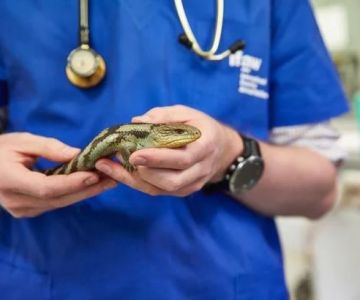
Take the case of Emma, an experienced exotic pet owner in the UK who owns a bearded dragon named Spike. Spike had been steadily gaining weight over several months, and Emma noticed that he was becoming less active and eating more than usual. Concerned, Emma decided to take Spike to the vet, where she learned that he had become overweight due to overfeeding and a lack of exercise.
After working with the vet to adjust his diet and providing him with more opportunities for exercise, such as supervised outdoor time, Emma noticed a remarkable difference in Spike’s health. His energy levels increased, and his overall condition improved, allowing him to live a much healthier and happier life.
5. Conclusion: Keep Your Exotic Pet Healthy with Proper Weight Management
Weight management is one of the most important aspects of exotic pet care, and by following these top 10 tips, you can ensure that your pet leads a healthy, active life. Remember, every pet is unique, and understanding their specific needs is key to maintaining their ideal weight and overall well-being.
If you're looking for expert advice, products, or services to help with your exotic pet’s weight management, visit RegPets for the best resources and recommendations.





 Rues Corner5.0 (1 reviews)
 Miller & Rose Dog Boutique5.0 (6 reviews)
 Ayres Veterinary Hospital - North Shields3.0 (67 reviews)
 Ashcroft Veterinary Surgery4.0 (91 reviews)
 Westway Veterinary Group, Consett4.0 (108 reviews)
 East Coast Raw Pet Foods4.0 (14 reviews)
 How to Fix Pet Anxiety and Stress – Vet’s Advice on Managing Your Pet’s Stress
 Seasonal Health Tips for Guinea Pigs: Essential Care Advice for UK Pet Owners
 What to Expect During Your Pet’s First Vet Visit: A Comprehensive Guide
 The Importance of Health Checkups for Rabbits – UK Edition
 Top 10 Adoption Guide Every Cat Owner in the UK Should Know – Essential Tips from RegPets
 The Importance of Skin and Coat Care for Senior Pets in the UK