

- black-dog-poop-causes - Understanding why dog stool turns black
- internal-bleeding-signs - Recognizing symptoms of internal bleeding in dogs
- melena-in-dogs - What black tarry stool means
- common-reasons-dark-stool - Other causes of dark dog poop
- when-to-contact-veterinarian - Knowing when professional help is needed
- protecting-dog-digestive-health - Supporting your dog’s long-term wellness
Why Is My Dog’s Poop Black? Understanding the Possible Causes
Finding black stool when cleaning up after your dog can be surprising and even alarming. Many pet owners immediately wonder, “Why is my dog’s poop black?” While changes in stool color can sometimes come from harmless causes, black dog poop may also indicate a serious health concern that should not be ignored.
A dog’s stool can reveal important information about what is happening inside the body. The digestive system processes food, absorbs nutrients, and removes waste, which means changes in appearance, texture, or color may provide early clues about your dog’s health.
One of the most important situations to understand is when black stool is caused by digested blood. This condition, known as melena, can happen when bleeding occurs in the upper digestive tract. As blood travels through the stomach and intestines, it becomes dark and creates a black, sticky, tar-like appearance.
However, not every case of dark stool means internal bleeding. Certain foods, supplements, medications, or swallowed materials can also change stool color. The key is learning how to recognize the difference and knowing what additional symptoms require attention.
How Healthy Dog Stool Normally Looks
Healthy dog poop is usually medium to dark brown, firm enough to hold its shape, and easy to pick up. Small variations can happen depending on diet, hydration, activity level, and individual digestion.
A temporary change after eating a new food may not always be dangerous. For example, a dog that eats dark-colored treats, certain meats, or iron supplements may produce darker stool for a short period.
The concern increases when the stool becomes completely black, shiny, sticky, or resembles asphalt. This appearance is different from normal dark brown stool and may suggest the presence of digested blood.
Internal Bleeding Symptoms You Must Not Ignore
When asking why is my dog’s poop black, one of the most important possibilities to consider is internal bleeding. Bleeding inside the digestive system is not always obvious because there may be no visible blood in the stool. Instead, the blood is broken down during digestion, creating a black appearance.
1. Black Tarry Stool
The most recognizable sign of digestive bleeding is black, tar-like stool. Veterinarians often describe this type of stool as melena. It usually has a sticky texture and may have a stronger odor than normal waste.
A single unusual bowel movement does not always confirm a serious condition, but repeated black stool should be taken seriously, especially if your dog is acting differently.
2. Weakness and Low Energy
Internal bleeding can reduce the amount of circulating blood in the body. When this happens, dogs may become tired, less interested in playing, or unwilling to participate in normal activities.
A dog that usually runs to the door for walks but suddenly prefers lying down may be showing an important warning sign. Changes in energy levels are often one of the first things owners notice.
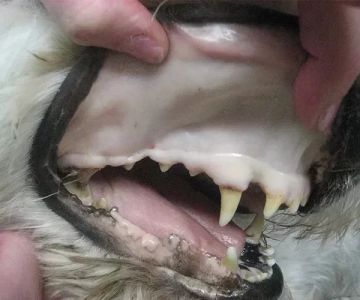
3. Pale Gums
Healthy dogs usually have pink gums. Pale, white, or gray-looking gums can indicate circulation problems or blood loss.
Pet owners can gently check gum color at home, but this should not replace veterinary evaluation when other symptoms are present.
4. Vomiting or Loss of Appetite
Digestive problems involving the stomach or intestines may cause vomiting, nausea, or refusal to eat. If black stool appears together with vomiting, especially vomiting that contains blood or resembles coffee grounds, urgent veterinary attention may be needed.
What Is Melena in Dogs and Why Does It Cause Black Stool?
Melena is a medical term used to describe black stool caused by digested blood. It usually indicates bleeding somewhere in the upper gastrointestinal tract, including areas such as the stomach or small intestine.
When fresh blood enters the digestive system, it does not always remain bright red. Digestive enzymes and acids break down the blood as it moves through the body. The result is a dark, almost black stool that looks very different from normal waste.
Possible Sources of Digestive Bleeding
Several health issues may contribute to melena in dogs. These can include stomach ulcers, certain medications, swallowed foreign objects, intestinal diseases, parasites, tumors, or injuries.
For example, some dogs may develop stomach irritation after taking certain medications. Others may swallow objects while playing, causing damage inside the digestive tract.
A real-world example many veterinarians encounter involves dogs that chew on household items. A pet owner may notice only a change in stool at first, but further examination can reveal irritation or injury caused by a swallowed object.
Other Reasons Your Dog’s Poop May Look Black
Although internal bleeding is an important concern, there are other explanations for dark-colored stool. Understanding these possibilities can help owners avoid unnecessary panic while still paying attention to warning signs.
Diet Changes
A sudden change in food can affect stool color. Dogs eating foods with darker ingredients may temporarily produce darker waste.
Rich foods, certain organ meats, and some treats may influence stool appearance. If the color change happens shortly after a dietary change and your dog remains energetic, monitoring may be appropriate.
Iron Supplements and Certain Products
Iron-containing supplements can darken stool. Some medications and nutritional products may also create changes in color.
Pet owners should always keep track of anything new their dog has received, including supplements, treats, medications, and human foods.
Eating Unusual Materials
Dogs explore the world with their mouths. They may consume dirt, plants, toys, or other objects that affect digestion.
This behavior is especially common in puppies and younger dogs. While occasional curiosity is normal, repeated eating of non-food items can create health risks.
When Should You Contact a Veterinarian?
Knowing when to seek professional help is one of the most important parts of responsible pet ownership. If your dog has black stool and seems completely normal, you may monitor closely while considering recent diet changes. However, certain combinations of symptoms require faster action.
Seek Veterinary Advice If You Notice:
- Repeated black or tar-like stool
- Weakness, collapse, or unusual tiredness
- Pale gums
- Vomiting or refusing food
- Abdominal discomfort
- Sudden behavior changes
- Signs of pain or distress
A veterinarian may recommend tests such as blood work, stool analysis, imaging, or other examinations to identify the cause. Early evaluation can make a major difference when internal bleeding or digestive problems are involved.
Why Waiting Too Long Can Be Risky
Dogs often hide discomfort as part of their natural instincts. A pet may continue walking or eating while experiencing an internal problem.
This is why paying attention to small changes matters. A single unusual symptom may not tell the whole story, but several changes together can provide important clues.
Ways to Support Your Dog’s Digestive Health
Preventing digestive problems starts with daily habits. While not every health issue can be avoided, consistent care can help support a stronger digestive system.
Maintain a Consistent Diet
Dogs usually benefit from balanced nutrition and gradual food transitions. Sudden changes may upset digestion and create unnecessary stress on the gastrointestinal system.
When changing food brands or formulas, many veterinarians recommend introducing new food slowly over several days rather than making an immediate switch.
Prevent Access to Dangerous Objects
Keeping harmful items away from curious dogs is one of the simplest safety steps. Toys should be appropriately sized, household chemicals should be stored securely, and trash should not be easily accessible.
Schedule Regular Wellness Checks
Routine veterinary visits allow professionals to identify potential concerns before they become serious. Preventive care is especially important for senior dogs or pets with previous digestive issues.
Understanding Your Dog’s Health Through Everyday Observations
Pet owners spend more time with their dogs than anyone else, which means they are often the first people to notice subtle changes. Paying attention to stool appearance, eating habits, energy levels, and behavior can provide valuable health information.
The question “Why is my dog’s poop black?” is not something to ignore, but it also does not always mean the worst-case scenario. The important step is looking at the entire picture.
A dog that has one darker stool after eating a different food may simply need observation. A dog with repeated black stool, weakness, or other symptoms may need professional evaluation.
For pet owners looking for reliable pet care resources, nutrition information, and products that support everyday wellness, RegPets provides helpful options for maintaining a healthier routine for dogs and other companion animals.
Taking Action When Your Dog’s Stool Changes
Your dog cannot explain when something feels wrong, so recognizing warning signs becomes an essential part of caring for a pet. Black stool can sometimes be a simple dietary reaction, but it can also be a sign of internal bleeding that requires attention.
If you notice unusual stool changes, especially black tar-like poop combined with other symptoms, consider contacting a veterinary professional promptly. Understanding the signs of digestive problems allows you to respond quickly and give your dog the best chance for a healthy recovery.
Learning more about dog digestive health, choosing appropriate care products, and staying prepared can help you protect your companion every day. Explore trusted pet wellness solutions and discover helpful resources through RegPets to support your dog’s long-term health journey.




 Maidenhead Aquatics York4.0 (261 reviews)
 Oaklands Veterinary Centre and Equine Hospital4.0 (124 reviews)
 Tailermade5.0 (7 reviews)
 Comfy Cats Cattery5.0 (180 reviews)
 Rowan Veterinary Centre Ltd4.0 (218 reviews)
 WOOF INC4.0 (22 reviews)
 How to Spot Signs of Arthritis in Older Pets – UK Pet Owner’s Guide
 Vet-Approved Behaviour Training for Birds
 How Often Should You Deworm Your Dog? UK Parasite Prevention Guide
 Exercise and Fitness Explained: Keeping Your Exotic Pets Healthy in the UK
 Seasonal Health Tips for Cats: What UK Pet Owners Need to Know
 Can Dogs Eat Almonds? Digestive Risks and Choking Hazards Explained