
- cat-yawning-behavior - Understanding Why Cats Yawn Frequently
- normal-cat-yawning - Common Reasons Your Cat Yawns
- boredom-and-yawning - How Boredom Can Influence Cat Behaviour
- stress-related-yawning - The Connection Between Stress and Cat Yawning
- pain-related-behavior - When Frequent Yawning May Indicate Health Problems
- cat-body-language - Reading Other Signs Alongside Yawning
- helping-your-cat - Ways to Improve Your Cat’s Comfort and Wellbeing
Understanding Why Cats Yawn Frequently
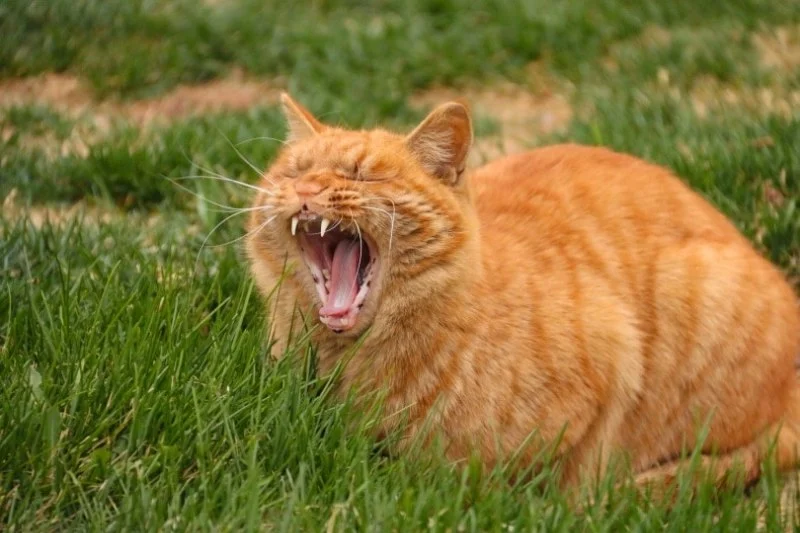
Many cat owners have experienced a familiar scene: your cat stretches, opens its mouth wide, and lets out a long yawn while sitting comfortably on the couch. At first, it may seem like a simple sign of tiredness. However, if you notice your cat yawning repeatedly throughout the day, you may start wondering, why does my cat yawn so much?
Cat yawning is usually a normal part of feline behaviour. Like humans, cats yawn when they are relaxed, waking up from sleep, or transitioning between activities. However, frequent yawning can sometimes provide clues about your cat’s emotional state, environment, or physical condition.
Understanding the difference between ordinary yawning and unusual behaviour can help owners provide better care. A single yawn after a nap is rarely concerning, but repeated yawning combined with changes in appetite, grooming, energy levels, or mood may deserve closer attention.
Cats communicate mostly through body language rather than words. Their movements, facial expressions, and habits can reveal how they feel. Yawning is one small part of this communication system, and learning to interpret it can strengthen the relationship between pets and their owners.

Why Small Behaviour Changes Matter
Cats are experts at hiding discomfort. In the wild, showing weakness could make an animal vulnerable, so domestic cats often continue normal routines even when something is wrong.
This is why paying attention to small changes, including unusual yawning patterns, can be valuable. A cat that suddenly begins yawning much more than usual may simply be bored, but it could also be reacting to stress or experiencing discomfort.
Pet owners looking for reliable cat care information and helpful pet resources can explore RegPets for guidance on understanding everyday animal behaviours and improving their pets’ quality of life.

Common Reasons Your Cat Yawns
Before assuming there is a problem, it is important to understand that cats naturally yawn for many harmless reasons. In most cases, yawning is simply part of normal feline behaviour.
1. Your Cat Is Waking Up or Relaxing
One of the most common reasons cats yawn is during the transition between sleep and wakefulness. Cats sleep for many hours each day, often in short periods rather than one long sleeping session.
After a nap, your cat may stretch its legs, move its body, and yawn. This combination helps the body become active again. Many cats perform this routine before walking toward their food bowl, looking out the window, or starting playtime.
If your cat yawns mainly after sleeping and otherwise behaves normally, there is usually no reason for concern.
2. Your Cat Feels Safe and Comfortable
A relaxed cat may yawn because it feels secure in its environment. Cats are less likely to show relaxed behaviours when they feel threatened.
A cat lying near its owner, slowly blinking, stretching, and yawning may be communicating comfort and trust. These behaviours often appear when cats feel that their home is a safe place.
3. Yawning as Social Communication
Yawning may also play a role in feline communication. Cats use many subtle signals to interact with humans and other animals.
Sometimes a cat may yawn when another cat approaches or during a calm interaction. While researchers continue studying the exact meaning of feline yawning, many experts believe body language signals like yawning are connected with emotional states and social situations.
How Boredom Can Influence Cat Behaviour
One possible answer to the question why does my cat yawn so much is boredom. Cats are intelligent animals that require mental stimulation. When their environment becomes predictable and they lack activities, they may develop repetitive behaviours.
Signs Your Cat May Be Bored
Yawning alone does not prove boredom, but it may appear alongside other behaviours such as:
1. Sleeping much more than usual during the day.
2. Losing interest in toys or activities.
3. Excessive grooming or licking.
4. Knocking objects over or seeking attention constantly.
5. Waiting near doors or windows without engaging in activities.
How Enrichment Helps Reduce Boredom
Indoor cats especially need opportunities to explore, hunt, and solve problems. In nature, cats spend significant energy searching for food and observing their surroundings.
Simple changes can make a big difference:
Interactive toys, puzzle feeders, climbing structures, and regular play sessions can help keep a cat mentally active.
For example, a cat that spends most of the day alone may benefit from a 10-minute play session before the owner leaves for work. Small daily interactions often provide more value than occasional long play sessions.
The Connection Between Stress and Cat Yawning
Stress is another possible explanation when asking, why does my cat yawn so much? Cats are sensitive creatures, and changes in their environment can affect their behaviour.
Common Causes of Stress in Cats
Cats may experience stress because of:
1. Moving to a new home.
2. Introducing a new pet or family member.
3. Loud noises such as construction or fireworks.
4. Changes in daily routines.
5. Limited access to quiet resting areas.
Other Stress Behaviours to Watch
A stressed cat may show more than just frequent yawning. Other possible signs include hiding more often, avoiding interaction, changes in eating habits, spraying, or becoming unusually aggressive.
For example, a cat that normally greets its owner at the door but suddenly hides under furniture and yawns repeatedly may be reacting to an environmental change.
Understanding the cause of stress is more helpful than simply trying to stop the behaviour. Creating predictable routines and providing safe spaces can help cats feel more secure.
When Frequent Yawning May Indicate Health Problems
Although yawning is usually harmless, excessive yawning combined with other symptoms may indicate discomfort or a health issue. Cats cannot explain when something hurts, so owners need to observe patterns carefully.
Dental and Oral Discomfort
One possible reason for unusual yawning is discomfort inside the mouth. Dental problems are common in cats and may affect their eating habits and behaviour.
Signs that may suggest oral discomfort include:
1. Drooling.
2. Difficulty chewing.
3. Bad breath.
4. Pawing at the mouth.
5. Reduced interest in food.
Other Medical Issues to Consider
Frequent yawning by itself does not automatically mean illness. However, if yawning appears with lethargy, breathing changes, vomiting, weight loss, or unusual vocalization, professional veterinary advice may be needed.
A useful approach is to look for changes from your cat’s normal behaviour. Every cat has unique habits, so knowing what is normal for your pet makes it easier to recognize warning signs.
Reading Other Signs Alongside Yawning
To understand feline behaviour, yawning should never be viewed alone. Cats communicate through combinations of signals.
1. Ear Position
A relaxed cat usually has ears facing naturally forward. Flattened ears may indicate fear, irritation, or stress.
2. Eye Expressions
Slow blinking is often considered a sign of trust. Wide eyes with tense facial muscles may suggest anxiety.
3. Body Position
A stretched-out cat showing its belly is often comfortable, while a crouched body with tucked legs may indicate uncertainty or discomfort.
When combined with these signals, yawning provides more information about your cat’s emotional condition.
Ways to Improve Your Cat’s Comfort and Wellbeing
If you notice your cat yawning frequently, the first step is observation. Avoid immediately assuming something is wrong. Instead, consider your cat’s environment, routine, and overall health.
Create a Cat-Friendly Environment
A comfortable environment includes:
1. Quiet sleeping areas.
2. Clean litter boxes.
3. Fresh water availability.
4. Opportunities for climbing and exploring.
5. Regular interaction with family members.
Maintain Consistent Daily Habits
Cats often feel safer when they know what to expect. Feeding times, play sessions, and rest periods should follow a predictable pattern whenever possible.
Track Behaviour Changes
Keeping notes about your cat’s habits can be useful. If yawning becomes more frequent, writing down when it happens and what other behaviours appear can help identify possible triggers.
Understanding Your Cat’s Unique Behaviour
So, why does my cat yawn so much? The answer depends on the complete picture. For many cats, yawning is simply a normal expression of relaxation, tiredness, or comfort. For others, frequent yawning may be connected to boredom, stress, or physical discomfort.
The most important thing is to observe your cat as an individual. A single behaviour rarely tells the whole story. By paying attention to patterns, body language, and lifestyle changes, owners can better understand what their cats need.
A happy and healthy cat is not only one that receives proper nutrition and medical care but also one that enjoys a safe, stimulating, and loving environment. Learning these small signals allows pet owners to build stronger connections with their feline companions.





 F.E.T.C.H by VSA0.0 (0 reviews)
 Chubby Mealworms4.0 (98 reviews)
 Myerscough Veterinary Group, Haslingden3.0 (46 reviews)
 Flynn Vets Ballynahinch4.0 (89 reviews)
 The Dog Grocer5.0 (33 reviews)
 Vets4Pets South Shields4.0 (580 reviews)
 How to Improve Senior Pets Common Illnesses at Home
 The Importance of Mental Health for Birds – UK Edition
 Health Checkup Tips for Cats: What UK Pet Owners Need to Know
 Travel Safety Tips for Puppies: What UK Pet Owners Need to Know
 First Aid Tips Explained: Keeping Your Puppies Healthy in the UK
 Complete Guide to Parasite Prevention for Hamsters