
- 1- Why Bird Travel Safety Matters
- 2- Preparing Your Bird for Travel: Key Considerations
- 3- Travel Safety Tips for Birds in the UK
- 4- How to Travel with Different Bird Species
- 5- Common Challenges and Solutions When Traveling with Birds
1. Why Bird Travel Safety Matters
Traveling with birds, whether for a short trip or a long journey, requires careful planning to ensure their safety and well-being. Birds, unlike other pets, have specific needs when it comes to transportation due to their sensitive respiratory systems, need for stimulation, and tendency to become stressed in unfamiliar environments. Poor travel conditions can lead to serious health risks, including stress-induced illnesses, dehydration, and even injury.
In the UK, where travel regulations and environmental conditions vary significantly between regions, ensuring bird travel safety is even more important. Understanding the best practices for bird transport is crucial to providing a safe and comfortable experience for your feathered friend, whether you’re heading to the vet or embarking on a longer journey.
RISE Canine Hydrotherapy & Rehab
Business Park, Unit 15 Blackgate Ln, Dunscar Wy, Tarleton, Preston PR4 6NP, UK
2. Preparing Your Bird for Travel: Key Considerations
Before you embark on any travel with your bird, preparation is key. Ensuring that your bird is comfortable, safe, and secure starts well before you hit the road or board a flight. Here are some important things to consider:
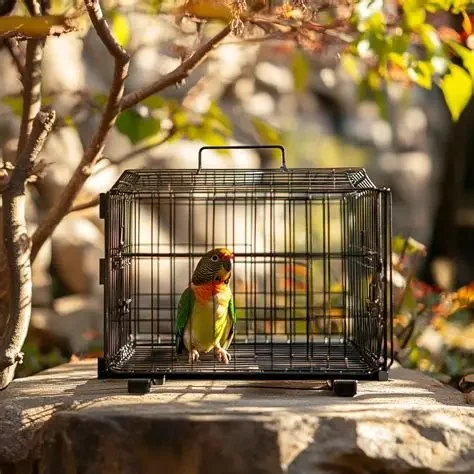
- Choosing the Right Carrier: The carrier you choose for your bird should be spacious enough for them to stand, stretch, and move slightly, but secure enough that they can’t fly or move around too much. It should also be well-ventilated to allow fresh air and prevent overheating.
- Familiarizing Your Bird with the Carrier: Long before travel, get your bird accustomed to its carrier. Place it in a familiar space and offer treats or favorite toys inside to make it a positive space for your bird. This reduces stress when it’s time to travel.
- Health Check and Vet Visit: It’s a good idea to take your bird for a vet checkup before travel to ensure they’re in good health. Some birds may need sedation for travel, while others might require vaccines or a health certificate, especially for international trips.
These simple steps can go a long way in making your bird’s journey more comfortable and less stressful, ensuring a smoother travel experience.

3. Travel Safety Tips for Birds in the UK
Traveling with birds in the UK comes with its own set of challenges, including navigating various transport systems and dealing with fluctuating weather conditions. To help keep your bird safe during travel, consider the following tips:
- Keep the Carrier Secure: Whether you’re driving or flying, make sure your bird’s carrier is securely placed. It should be stable and not likely to tip over. In cars, place the carrier on a flat surface, and in public transport, ensure it’s not in an area where it might be jostled too much.
- Avoid Direct Sunlight: In the UK’s variable climate, it’s essential to avoid placing your bird in direct sunlight, as it can overheat quickly. Ensure that the temperature inside the carrier remains steady and comfortable for your bird.
- Minimize Travel Time: Birds can become stressed during long periods of travel. If possible, plan your journey to minimize travel time and avoid unnecessary stops. This is particularly important for birds that become anxious in new environments.
- Monitor Your Bird’s Health: Keep an eye on your bird’s behavior during the trip. If they seem overly stressed, weak, or ill, stop and seek veterinary help immediately. Birds are highly sensitive to changes, and even minor health issues can escalate quickly when traveling.
By following these tips, you can help ensure that your bird remains safe and calm throughout the journey, whether you’re traveling by car, train, or plane.
4. How to Travel with Different Bird Species
Not all birds are the same, and different species may have varying needs during travel. Understanding these differences is crucial to providing the best care for your bird. For example:
- Small Birds (Canaries, Finches, Budgies): Smaller birds tend to be more sensitive to temperature changes and stress. They may require a smaller, more secure carrier to prevent excessive movement. A light blanket or towel can help reduce visual stimuli and keep them calm.
- Medium to Large Birds (Cockatoos, Parrots): Larger birds need more space, and a well-ventilated carrier is essential. These birds are also more likely to become vocal or agitated during travel, so it’s helpful to bring their favourite treats or toys to keep them occupied and distracted.
- Exotic Birds (Macaws, African Greys): Exotic birds often have higher intelligence and may require more attention during travel. These birds can become bored quickly, so provide enrichment items like puzzle toys or foraging opportunities during the journey to keep their minds stimulated.
Each species has unique needs, and tailoring your approach to your bird’s specific requirements will help ensure a safe and comfortable journey for both you and your pet.
5. Common Challenges and Solutions When Traveling with Birds
Despite careful planning, traveling with birds can come with its own set of challenges. Below are some common issues faced by bird owners, along with practical solutions:
- Stress and Anxiety: Birds are highly sensitive creatures, and travel can cause them to feel stressed or anxious. To alleviate stress, try using calming products like sprays or essential oils specifically designed for birds. Also, consider playing soothing music during travel to help keep your bird calm.
- Dehydration: Birds are at risk of dehydration during long trips, especially in hot environments. Always provide a water container in the carrier that is easy for your bird to access. Some travel cages come with water bottles that help prevent spills.
- Motion Sickness: Some birds may experience motion sickness during car or plane rides. If your bird shows signs of nausea, try to keep the carrier stable and avoid sudden movements. If necessary, consult with a vet about medications that can help with nausea.
By understanding these challenges and planning ahead, you can make your bird’s travel experience as smooth and safe as possible, minimizing any discomfort or risks along the way.



 Priory Veterinary Practice (Bourne)5.0 (10 reviews)
 The Cardiff Cat Clinic4.0 (342 reviews)
 Tower Veterinary Group, Fulford Surgery4.0 (410 reviews)
 Vets 2 Your Pets - Durham5.0 (3 reviews)
 Wear Referrals Veterinary Specialist & Emergency Hospital4.0 (243 reviews)
 Malt Kiln Cattery5.0 (8 reviews)
 Travel Safety Explained: Keeping Your Senior Pets Healthy in the UK
 How to Handle Emergency Situations with Your Pet | RegPets
 The Importance of Spaying and Neutering for Guinea Pigs in the UK
 Health Checkup Tips for Cats: What UK Pet Owners Need to Know
 How to Spot Signs of Arthritis in Older Pets | RegPets
 Top 10 Behaviour Training Every Guinea Pig Owner in the UK Should Know