
- 1. Understanding Common Illnesses in Guinea Pigs
- 2. Signs and Symptoms of Illness in Guinea Pigs
- 3. Most Common Illnesses in Guinea Pigs
- 4. How to Prevent and Treat Guinea Pig Illnesses
- 5. The Importance of Regular Vet Visits for Guinea Pigs
- 6. How RegPets Can Help You Care for Your Guinea Pig
1. Understanding Common Illnesses in Guinea Pigs
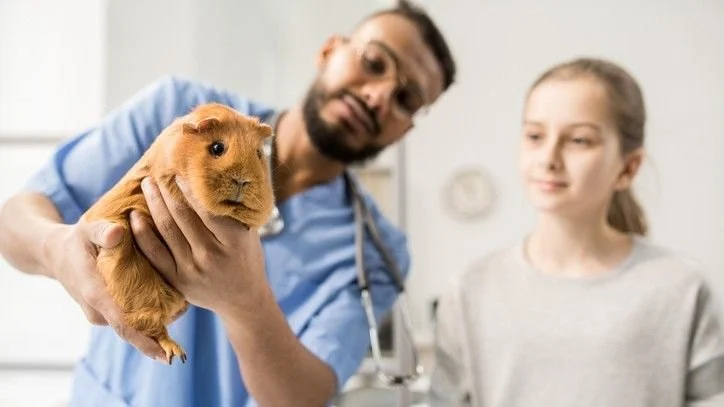
Guinea pigs are wonderful and affectionate pets, but like all animals, they can be prone to certain health problems. Understanding common illnesses in guinea pigs is crucial for ensuring their well-being and longevity. Being proactive and vigilant about their health can help detect problems early, leading to better outcomes.
Many guinea pig illnesses are preventable with proper care, diet, and hygiene. It's important for guinea pig owners to familiarize themselves with the most common diseases and conditions to watch for, as well as how to treat them.

Kathryn's Cattery
Townend Farm, 109 - 111 Town End Rd, Ecclesfield, Sheffield S35 9YX, UK
2. Signs and Symptoms of Illness in Guinea Pigs
Recognizing the signs of illness in guinea pigs can be tricky, as they are prey animals and tend to hide their symptoms until they become more severe. Some key symptoms to look out for include:
- Changes in Eating Habits: A sudden decrease in appetite or refusal to eat could indicate a dental issue, gastrointestinal problems, or other illnesses.
- Weight Loss: Rapid or unexplained weight loss is a red flag for many health problems in guinea pigs.
- Changes in Behaviour: If your guinea pig becomes lethargic, withdrawn, or unusually aggressive, it could be a sign of pain or illness.
- Respiratory Issues: Sneezing, wheezing, or laboured breathing can be symptoms of respiratory infections or pneumonia, which are common in guinea pigs.
- Diarrhoea: Loose stools or diarrhoea are often signs of a digestive issue and can quickly lead to dehydration.
3. Most Common Illnesses in Guinea Pigs
Several illnesses are common among guinea pigs, and knowing what to watch for can help you act quickly to prevent complications. Here are some of the most common guinea pig illnesses in the UK:
- Scurvy: Guinea pigs cannot produce vitamin C, making them susceptible to scurvy. Symptoms include lethargy, swollen joints, and bleeding gums. Ensuring your guinea pig has a diet rich in vitamin C, such as fresh vegetables and fruit, can prevent this condition.
- Respiratory Infections: Respiratory problems are very common in guinea pigs. These can range from mild to severe and include symptoms such as sneezing, runny nose, or laboured breathing. These infections can be triggered by cold environments, poor ventilation, or other stressors.
- Dental Issues: Guinea pigs' teeth grow continuously, and if not properly worn down by chewing, they can develop overgrown teeth. This can lead to mouth pain, drooling, and difficulty eating. Regular dental check-ups are crucial.
- GI Stasis: Gastrointestinal stasis is a serious condition where the digestive system slows down or stops. It can be triggered by stress, diet changes, or other health issues. Symptoms include a loss of appetite and lethargy, and it requires immediate veterinary attention.
- Urinary Tract Infections (UTIs): Guinea pigs are also prone to UTIs, which can lead to painful urination and blood in the urine. These infections often require antibiotics prescribed by a veterinarian.
4. How to Prevent and Treat Guinea Pig Illnesses
Preventing illness in guinea pigs starts with good husbandry practices. Here are some essential tips for maintaining your guinea pig's health:
- Provide a Balanced Diet: Ensure your guinea pig has a diet that includes hay, fresh vegetables, and high-quality guinea pig pellets that are fortified with vitamin C.
- Keep Their Habitat Clean: Regularly clean your guinea pig’s cage, bedding, and accessories to prevent the build-up of bacteria and allergens that can lead to illness.
- Ensure Proper Ventilation: A well-ventilated living space helps reduce the risk of respiratory infections. Avoid placing the cage in areas where drafts or extreme temperatures could affect your guinea pig.
- Regular Vet Check-ups: Schedule regular veterinary check-ups to catch any health issues early. Your vet can also provide you with tips on dental care, nutrition, and general wellness.
- Hydration: Ensure your guinea pig has access to fresh water at all times, as dehydration can exacerbate other health conditions.
5. The Importance of Regular Vet Visits for Guinea Pigs
Regular veterinary visits are crucial for maintaining your guinea pig’s health. A vet can monitor for early signs of illness, provide vaccinations, and perform routine check-ups. These visits are essential for preventing common health problems from becoming serious and help ensure your guinea pig has a long and healthy life.

6. How RegPets Can Help You Care for Your Guinea Pig
At RegPets, we understand the importance of keeping your guinea pig healthy and happy. We offer a wide range of guinea pig care products, from high-quality hay and fresh vegetables to vitamins and health supplements. Our expert team is also available to provide advice on maintaining your guinea pig's health and well-being.
For more information on guinea pig care or to shop for the best products, visit RegPets today. We’re here to help you give your guinea pig the best care possible!


 The Harrogate Vet - Ripon Way5.0 (4 reviews)
 Flynn Vets Balmoral4.0 (37 reviews)
 Golden Back Shrimps5.0 (1 reviews)
 Mutts Menu5.0 (13 reviews)
 Pets Corner4.0 (653 reviews)
 Greenland's Cattery4.0 (40 reviews)
 Dealing with Anxiety and Stress in Pets: Expert Vet Advice for UK Pet Owners
 Complete Guide to Mental Health for Kittens: Supporting Your Kitten's Well-Being
 Expert Vet Advice on Weight Management for Senior Pets
 Expert Vet Advice on First Aid Tips for Puppies
 How to Handle Emergency Situations with Your Pet | RegPets
 Best Practices for Puppy and Kitten Care in Reptiles | RegPets