
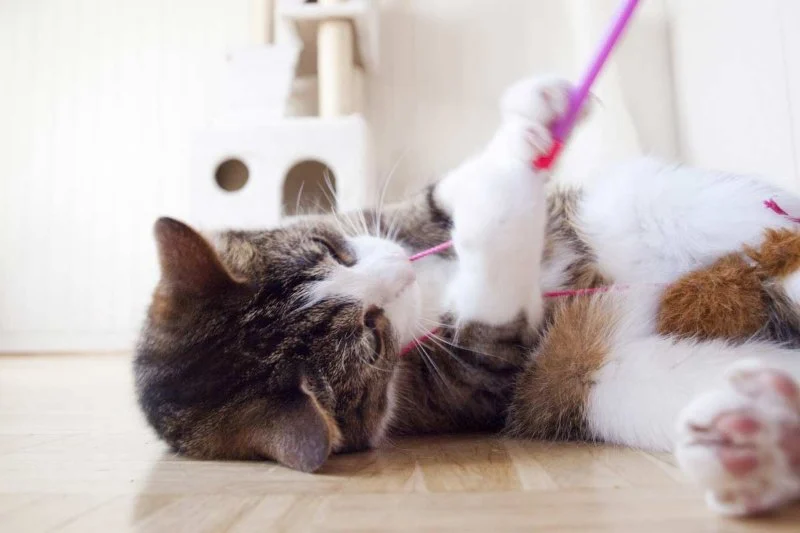
Bringing a new kitten into your home is an exciting and joyful experience, but it also comes with its own set of challenges. One of the most important aspects of raising a kitten is behaviour training. By starting early, you can help your kitten develop into a well-behaved and happy cat. This guide will cover the basics of kitten behaviour training, including tips and techniques that UK pet owners can use to ensure a positive experience for both you and your furry friend.
- 1. Why Behaviour Training Is Important for Kittens
- 2. How to Start Behaviour Training for Your Kitten
- 3. Common Kitten Behaviour Issues and How to Address Them
- 4. Additional Tips for Successful Kitten Training
1. Why Behaviour Training Is Important for Kittens
Behaviour training is crucial for kittens as it lays the foundation for their socialisation, discipline, and overall well-being. Early training helps kittens develop the right habits, which can make living with them much easier and enjoyable. Here are a few reasons why behaviour training is essential for kittens:
- Prevents Behavioural Problems: Kittens that are not properly trained may develop undesirable behaviours, such as scratching furniture, biting, or excessive meowing. Training early can prevent these issues from becoming ingrained habits.
- Enhances Social Skills: Proper training helps kittens interact well with humans, other pets, and their environment. Socialisation is especially important for kittens, as it helps them grow into confident and well-adjusted adults.
- Builds a Stronger Bond: Training creates a sense of communication between you and your kitten. Positive reinforcement training methods, such as treats or affection, help strengthen your bond and foster trust.
2. How to Start Behaviour Training for Your Kitten
Starting behaviour training for your kitten should begin as soon as you bring them home. Kittens are most receptive to training between 8-16 weeks, so it’s important to start early. Here are some tips to get you started:
- Use Positive Reinforcement: Positive reinforcement is the most effective way to train a kitten. Reward them with treats, praise, or petting whenever they exhibit desired behaviours, such as using the litter box or scratching a designated post.
- Keep Sessions Short: Kittens have short attention spans, so keep training sessions brief—5 to 10 minutes at a time. Frequent, short sessions are more effective than long ones.
- Be Consistent: Consistency is key when training kittens. Use the same commands and rewards each time, and make sure everyone in your household is on the same page with training routines.
- Introduce Simple Commands: Start with basic commands like “sit” or “come.” Gently guide your kitten into the desired position, then reward them when they get it right.
Starting early and using positive techniques will help set the stage for a well-trained kitten.

Pets at Home Hartlepool
2, Highpoint Retail Park Marina Way, Hartlepool TS24 0RN, UK
3. Common Kitten Behaviour Issues and How to Address Them
Like all animals, kittens can have behavioural issues that, if not addressed, may become problematic as they grow older. Here are some common behaviour issues kittens face and how to handle them:
- Scratching Furniture: Kittens love to scratch, and if they aren’t provided with proper outlets, they may damage furniture. Provide a scratching post or pad, and reward them when they use it. If they scratch furniture, gently redirect them to the post.
- Excessive Biting or Nipping: Kittens may nip or bite during play. This is a normal part of their development, but it should be discouraged. If your kitten bites, immediately stop playing and offer them a toy to chew on instead.
- Litter Box Issues: Kittens can sometimes be reluctant to use the litter box. Make sure the box is clean, easily accessible, and in a quiet area. If the problem persists, consult your vet to rule out medical issues.
- Excessive Meowing: While some meowing is normal, excessive meowing can be a sign of hunger, boredom, or anxiety. Ensure your kitten has enough stimulation, toys, and attention, and avoid reinforcing excessive meowing with attention.
Understanding these common behaviours and addressing them early on will help create a harmonious home environment for both you and your kitten.

4. Additional Tips for Successful Kitten Training
In addition to the basic training techniques, here are some additional tips that can help ensure successful behaviour training for your kitten:
- Socialise with Other Animals: If you have other pets, introduce them to your kitten gradually. Early socialisation with other animals will help your kitten become well-adjusted and less likely to develop behavioural issues later on.
- Provide Mental and Physical Stimulation: Kittens are curious and playful. Provide them with toys, climbing structures, and interactive play to keep them mentally and physically engaged. This helps prevent destructive behaviour stemming from boredom.
- Use a Cat-Friendly Training Environment: Train your kitten in a quiet, distraction-free area to help them focus. Make sure the environment is safe, secure, and free of hazards.
- Patience is Key: Kitten training takes time, so be patient. Each kitten learns at its own pace, and positive reinforcement will gradually yield results.
By incorporating these additional tips, you’ll create a more positive environment for both you and your kitten, ensuring that they grow into a well-behaved and confident cat.
Raising a well-behaved kitten is a rewarding experience that requires time, patience, and consistent training. By starting early and using positive reinforcement methods, you can ensure your kitten develops into a happy and well-adjusted cat. For more information on kitten training supplies, toys, and resources, visit RegPets for the best products to support your kitten’s development!


 Priory Veterinary Practice (Bourne)5.0 (10 reviews)
 The Cardiff Cat Clinic4.0 (342 reviews)
 Tower Veterinary Group, Fulford Surgery4.0 (410 reviews)
 Vets 2 Your Pets - Durham5.0 (3 reviews)
 Wear Referrals Veterinary Specialist & Emergency Hospital4.0 (243 reviews)
 Malt Kiln Cattery5.0 (8 reviews)
 Travel Safety Explained: Keeping Your Senior Pets Healthy in the UK
 How to Handle Emergency Situations with Your Pet | RegPets
 The Importance of Spaying and Neutering for Guinea Pigs in the UK
 Health Checkup Tips for Cats: What UK Pet Owners Need to Know
 How to Spot Signs of Arthritis in Older Pets | RegPets
 Top 10 Behaviour Training Every Guinea Pig Owner in the UK Should Know