
- Fleas and Ticks: What You Need to Know
- Why Flea and Tick Prevention Is Crucial for Pets
- Common Symptoms of Flea and Tick Infestation
- Flea and Tick Prevention Options
- What to Do If Your Pet Gets Fleas or Ticks
- How to Choose the Right Flea and Tick Prevention Products
Fleas and Ticks: What You Need to Know
Fleas and ticks are common pests that can cause significant health problems for pets in the UK. These tiny creatures can affect dogs, cats, and other pets, leading to a variety of issues including skin irritations, allergies, and even serious diseases. It’s important for pet owners to be aware of the risks and take proactive measures to prevent infestations.

Lincolnshire Veterinary Specialists
Trinity House, 124 Trinity St, Gainsborough DN21 1JD, UK
Why Flea and Tick Prevention Is Crucial for Pets
Fleas and ticks are not just annoying—they can carry and transmit diseases that can have serious consequences for your pet’s health. For instance, fleas can cause allergic reactions, skin infections, and transmit tapeworms. Ticks, on the other hand, can carry Lyme disease and other tick-borne illnesses, which can lead to symptoms such as fever, fatigue, and joint pain.
Preventing fleas and ticks is far easier and less expensive than treating an infestation, so it’s important to make prevention a regular part of your pet care routine. By staying on top of flea and tick prevention, you can help your pet avoid discomfort and reduce the risk of serious health issues down the line.

Common Symptoms of Flea and Tick Infestation
While fleas and ticks can often be difficult to spot, there are several common symptoms that can alert you to an infestation. For fleas, look out for excessive scratching, biting, or licking, especially around the tail, neck, and belly. If your pet’s skin is red, inflamed, or has small scabs, this may be a sign of flea irritation.
Ticks are larger and easier to spot. They may be attached to your pet’s skin, appearing as small, dark bumps. Ticks often attach to areas with less fur, such as the ears, neck, or between the toes. If you notice a tick on your pet, it’s important to remove it properly and promptly to reduce the risk of disease transmission.
Flea and Tick Prevention Options
There are a variety of flea and tick prevention options available to pet owners in the UK. Here are the most common types:
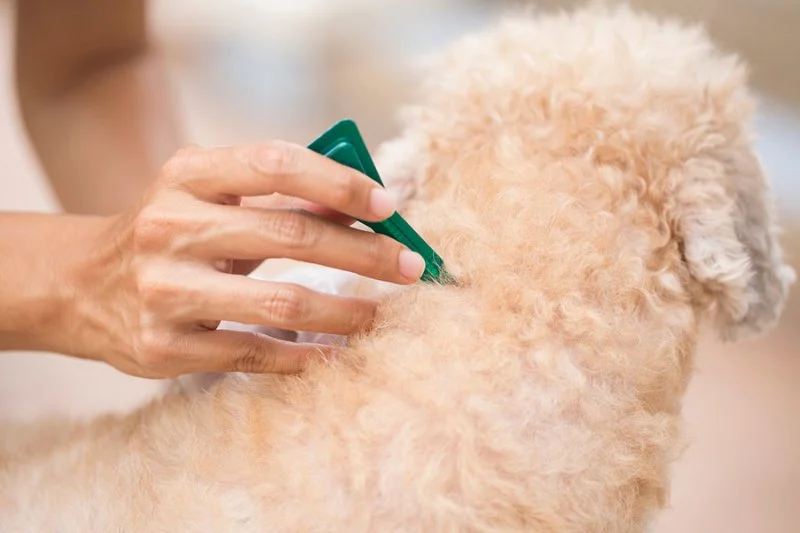
- Topical Treatments: These treatments are applied directly to your pet's skin, typically at the back of the neck. They provide long-lasting protection against fleas and ticks. Popular brands include Frontline and Advantage.
- Oral Medications: Oral flea and tick preventatives are administered as a pill or chew. These medications circulate through your pet’s bloodstream and kill fleas and ticks when they bite. Common brands include Nexgard and Bravecto.
- Flea Collars: Flea collars are an easy way to provide long-term protection. They work by releasing active ingredients that repel and kill fleas and ticks. Brands like Seresto offer collars that provide protection for up to 8 months.
- Shampoos: Flea and tick shampoos can provide immediate relief for pets with an active infestation. While they’re not a long-term prevention solution, they’re a great option for bathing your pet when they have fleas or ticks.
What to Do If Your Pet Gets Fleas or Ticks
If you discover that your pet has fleas or ticks, it’s important to act quickly to prevent the infestation from worsening. Start by removing the ticks using proper tick removal tools. For fleas, give your pet a flea bath using a medicated shampoo, and treat your home to prevent further infestations. Wash all of your pet’s bedding, toys, and fabrics where fleas may hide.
For ongoing flea control, you should start using a flea and tick preventative, such as a topical treatment or oral medication. Be sure to treat all pets in the household and speak with your vet about the best approach to eliminate fleas and ticks in your home and on your pets.
How to Choose the Right Flea and Tick Prevention Products
When selecting flea and tick prevention products for your pet, consider the following factors:
- Age and Size of Your Pet: Ensure that the product is appropriate for your pet’s age, weight, and breed. Some products are not safe for puppies or kittens, while others may not be effective for larger pets.
- Type of Pest: If you’re primarily concerned about ticks, look for products that specifically target tick prevention. Some products are designed to address both fleas and ticks, while others focus on one or the other.
- Safety: Always choose products that are vet-approved and have a proven safety record. Consult with your vet before trying a new flea or tick prevention product, especially if your pet has health conditions or is on other medications.
- Convenience: Consider how easy the product is to administer. Some pets might be more comfortable with topical treatments, while others might prefer chewable tablets or collars.
For personalized recommendations and to find the best products for your pet, visit RegPets and explore a wide range of flea and tick prevention options.





 Gone Barking5.0 (7 reviews)
 Peejay Pet Superstore Ltd4.0 (1173 reviews)
 Sheerbliss Cattery5.0 (19 reviews)
 Calcaria Veterinary Practice4.0 (90 reviews)
 Crookedstone Cattery0.0 (0 reviews)
 Apisto Aquatics5.0 (25 reviews)
 Top 10 Behaviour Training Every Reptile Owner in the UK Should Know
 Common Vaccination Myths Debunked by UK Vets
 How to Handle Emergency Situations with Your Pet | Pet Safety Tips
 Complete Guide to Nutrition Tips for Hamsters: What Your Pet Needs to Stay Healthy
 Dealing with Anxiety and Stress in Pets: Vet Advice for UK Pet Owners
 Top 10 Behaviour Training Every Guinea Pig Owner in the UK Should Know