
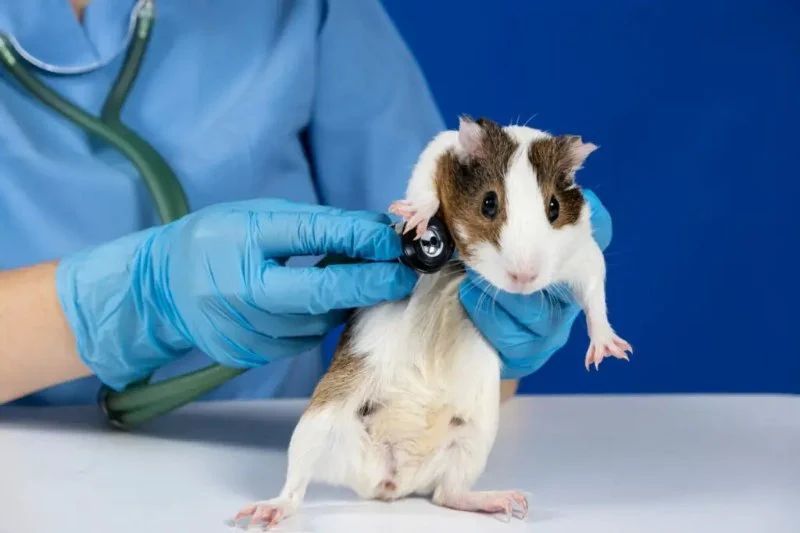
The Importance of Spaying and Neutering for Guinea Pigs – UK Edition
- 1. Why Spaying and Neutering is Crucial for Guinea Pigs
- 2. Benefits of Spaying and Neutering Guinea Pigs
- 3. What to Expect from the Procedure
- 4. Common Myths about Neutering and Spaying Guinea Pigs
- 5. How to Care for Your Guinea Pig Post-Surgery
1. Why Spaying and Neutering is Crucial for Guinea Pigs
As a responsible guinea pig owner, one of the best decisions you can make for your pet’s long-term health and happiness is to consider spaying or neutering. In the UK, this practice is becoming more widely recommended as it significantly improves the quality of life for guinea pigs, both male and female.

The Impact of Overpopulation
One of the primary reasons for spaying and neutering is to prevent overpopulation. In the UK, guinea pig rescue shelters are often overwhelmed with animals due to unwanted litters. By spaying or neutering your guinea pig, you can help control the population and reduce the burden on these shelters.

2. Benefits of Spaying and Neutering Guinea Pigs
There are many reasons why spaying and neutering are highly beneficial for your guinea pig's health and well-being. Below are the key advantages:
Health Benefits
For female guinea pigs, spaying helps eliminate the risk of certain cancers, such as ovarian and uterine cancer. For males, neutering can prevent prostate issues and the risk of testicular cancer. These procedures can significantly extend your guinea pig's lifespan and reduce the chances of serious health problems.
Behavioural Benefits
Neutering male guinea pigs can reduce aggressive behaviour, territorial marking, and the urge to fight. Female guinea pigs can also become calmer, especially if they were exhibiting hormonal behaviours linked to their reproductive cycles. Overall, spaying and neutering help make guinea pigs more manageable and easier to care for.
Prevention of Unwanted Litters
Spaying and neutering prevent accidental pregnancies, which can lead to the birth of many more guinea pigs than can be properly cared for. This helps reduce the number of unwanted guinea pigs in the UK, leading to fewer pets in shelters waiting for adoption.
3. What to Expect from the Procedure
Spaying and neutering guinea pigs is a relatively simple and common procedure when performed by a qualified veterinarian. Below is what you can expect:
Preparation for Surgery
Before the surgery, your guinea pig will undergo a thorough health check to ensure they are fit for the procedure. This includes a physical exam and possibly blood tests to check for underlying health issues.
The Surgery Itself
Both procedures are typically performed under general anesthesia. The surgery for males is generally quicker and involves the removal of the testicles, while females undergo a more complex procedure involving the removal of the ovaries and uterus. The surgery is generally safe, but there are always risks associated with anesthesia.
Recovery
Your guinea pig will need some time to recover after the surgery. Most guinea pigs recover relatively quickly, but you should expect them to be a bit slower and sleepier than usual for a few days following the procedure. Your vet will provide instructions on how to care for your guinea pig post-surgery to ensure a smooth recovery process.
4. Common Myths about Neutering and Spaying Guinea Pigs
There are a number of misconceptions about spaying and neutering guinea pigs. It’s important to separate fact from fiction:
Myth: Spaying and Neutering Are Too Risky
While, like any surgery, there is always some risk involved, spaying and neutering are generally very safe when performed by a qualified vet. The benefits far outweigh the risks in most cases, especially considering the health advantages these procedures provide.
Myth: Neutered or Spayed Guinea Pigs Become Depressed
There is no scientific evidence to suggest that neutered or spayed guinea pigs experience depression. In fact, the removal of hormonal fluctuations tends to result in happier, more balanced pets. They are more likely to be calm and content after recovery.
Myth: Guinea Pigs Should Have One Litter Before Being Neutered or Spayed
This is not necessary. Spaying and neutering guinea pigs at a young age is recommended, as it prevents health problems and unwanted behaviour before they have a chance to develop. The earlier you do it, the better.
5. How to Care for Your Guinea Pig Post-Surgery
After the surgery, it's important to provide extra care and attention to ensure your guinea pig recovers properly:
Monitor for Signs of Infection
Check the surgical site for signs of infection, such as swelling, redness, or discharge. If you notice anything unusual, contact your vet immediately.
Provide a Comfortable, Quiet Space
Your guinea pig will need a quiet, comfortable place to recover. Ensure that their living space is clean, warm, and free from stressors. Avoid handling them too much, as they need time to heal.
Follow-Up Vet Visits
Follow up with your vet to ensure that the recovery is proceeding smoothly. Your vet will check for any complications and provide additional advice on aftercare.
For the best guinea pig care products and services, visit RegPets to find the right solutions for your furry friend.

 Gone Barking5.0 (7 reviews)
 Peejay Pet Superstore Ltd4.0 (1173 reviews)
 Sheerbliss Cattery5.0 (19 reviews)
 Calcaria Veterinary Practice4.0 (90 reviews)
 Crookedstone Cattery0.0 (0 reviews)
 Apisto Aquatics5.0 (25 reviews)
 Top 10 Behaviour Training Every Reptile Owner in the UK Should Know
 Common Vaccination Myths Debunked by UK Vets
 How to Handle Emergency Situations with Your Pet | Pet Safety Tips
 Complete Guide to Nutrition Tips for Hamsters: What Your Pet Needs to Stay Healthy
 Dealing with Anxiety and Stress in Pets: Vet Advice for UK Pet Owners
 Top 10 Behaviour Training Every Guinea Pig Owner in the UK Should Know