
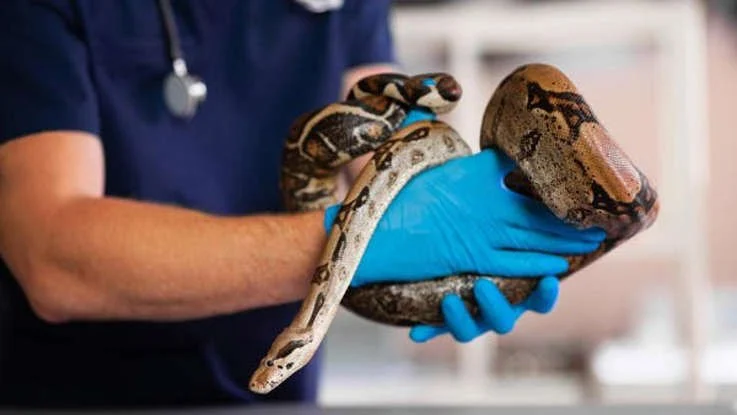
- Understanding Preventive Care for Exotic Pets
- Common Exotic Pets in the UK
- Key Elements of Preventive Care
- Regular Health Checks and Veterinary Care
- Diet and Nutrition for Exotic Pets
- Maintaining Appropriate Habitat Conditions
- How to Spot Signs of Illness in Exotic Pets
- Resources for Exotic Pet Care in the UK
Understanding Preventive Care for Exotic Pets
Exotic pets, such as reptiles, birds, and small mammals, require special attention when it comes to their health. Unlike typical domestic pets, exotic animals often have unique needs and can be more susceptible to illness if not properly cared for. Preventive care is essential to ensure that your exotic pet stays healthy and happy throughout its life. This proactive approach focuses on avoiding diseases, managing environmental factors, and providing the right diet and habitat for your pet.

Common Exotic Pets in the UK
Exotic pets in the UK vary greatly in terms of species and care requirements. Some of the most popular exotic pets in the UK include:
- Reptiles: Bearded dragons, geckos, and turtles.
- Birds: Parrots, cockatiels, and canaries.
- Small Mammals: Guinea pigs, ferrets, and hamsters.
Each type of exotic pet has specific care needs, and understanding those needs is crucial for their health and well-being.

Key Elements of Preventive Care
1. Regular Health Screenings
Preventive care for exotic pets starts with regular health screenings. Exotic pets often hide symptoms of illness until it becomes severe, making routine check-ups even more important. Annual or bi-annual visits to a vet experienced in exotic animals can help catch potential health issues early.
2. Vaccinations and Parasite Control
Just like traditional pets, some exotic animals require vaccinations and regular parasite control. For example, many reptiles are susceptible to respiratory infections, and birds can carry diseases like psittacosis. Your vet can advise you on the necessary vaccines and parasite treatments for your pet's species.
3. Proper Diet and Nutrition
Providing the right diet is a fundamental aspect of preventive care. Exotic pets often have specific dietary requirements that differ from those of more common pets. For instance, some reptiles require a diet high in leafy greens, while certain birds need a balanced mix of seeds, pellets, and fresh fruits. Ensuring your pet’s diet matches its natural eating habits is crucial to preventing malnutrition and related illnesses.
Regular Health Checks and Veterinary Care
1. Choosing the Right Vet for Your Exotic Pet
Finding a qualified veterinarian who specializes in exotic pets is essential. These vets have the expertise to diagnose and treat conditions specific to reptiles, birds, and other exotic animals. They can also provide invaluable advice on preventive care tailored to your pet’s species.
2. Monitoring for Subtle Signs of Illness
Unlike dogs or cats, exotic pets often do not show overt signs of illness until they are very sick. By having a veterinarian conduct thorough health checks, you can stay ahead of potential issues. Your vet will also guide you on how to spot subtle signs of illness, such as changes in behavior, appetite, or appearance.
Diet and Nutrition for Exotic Pets
1. Specialized Diets for Different Species
One of the most critical factors in keeping your exotic pet healthy is providing the right diet. For example, herbivorous reptiles like iguanas need fresh vegetables and fruits, while carnivorous reptiles such as monitors require protein-rich diets like insects. Similarly, parrots benefit from a varied diet that includes seeds, fruits, and pellets to ensure they get all necessary vitamins and minerals.
2. Fresh Water Availability
Fresh, clean water is essential for all exotic pets. Some animals, like reptiles, may drink more frequently, while others, like birds, may prefer to bathe in their water. Ensure that your pet has access to fresh water at all times and clean their water bowls regularly to prevent bacteria buildup.
Maintaining Appropriate Habitat Conditions
1. Temperature and Humidity Control
Exotic pets often require specific temperature and humidity levels to thrive. Reptiles, for example, rely on heat lamps to regulate their body temperature, while some amphibians need a humid environment. It's essential to provide a habitat that mimics your pet’s natural environment to prevent stress and illness.
2. Safe and Stimulating Environments
In addition to temperature and humidity, your pet’s enclosure should provide enough space and environmental enrichment. Providing climbing branches, hideaways, and proper substrate for reptiles, or stimulating toys for birds, can keep your exotic pet mentally and physically active, which contributes to overall health.
How to Spot Signs of Illness in Exotic Pets
1. Changes in Behavior
Exotic pets may become lethargic or overly aggressive when ill. A noticeable change in your pet's behavior, such as reduced activity or hiding, can be a sign of stress or illness. Monitoring these changes and consulting a vet early on can prevent serious health issues.
2. Changes in Eating Habits
Loss of appetite is a common sign of illness in exotic pets. If your pet refuses to eat or drink for an extended period, this could indicate a medical issue. Some animals may also stop eating specific types of food, which could be a sign of a dietary imbalance or health concern.
Resources for Exotic Pet Care in the UK
If you're looking for expert advice or need to purchase pet care products, RegPets offers a range of supplies and services specifically designed for exotic pets in the UK. From habitat setups to specialty diets, they provide everything you need to keep your exotic pets healthy and happy.
Providing preventive care is key to maintaining the health of your exotic pets. By following these tips and working closely with a knowledgeable vet, you can ensure your pet enjoys a long and healthy life in your care.





 The Oaks Koi Farm5.0 (91 reviews)
 Kozeepet4.0 (25 reviews)
 Vets for Pets Oadby4.0 (620 reviews)
 Land of Lizards4.0 (103 reviews)
 Tailermade5.0 (7 reviews)
 Reptile - live food0.0 (0 reviews)
 Allergy Care Tips for Exotic Pets: What UK Pet Owners Need to Know
 How to Improve Common Cat Illnesses at Home
 Best Practices for Mental Health in Exotic Pets: Expert Tips
 Vet-Approved Mental Health for Reptiles: Essential Tips for Wellbeing
 Complete Guide to Puppy and Kitten Care for Birds – Essential Tips for Pet Owners
 Complete Guide to First Aid Tips for Cats: Essential Care for Your Feline