
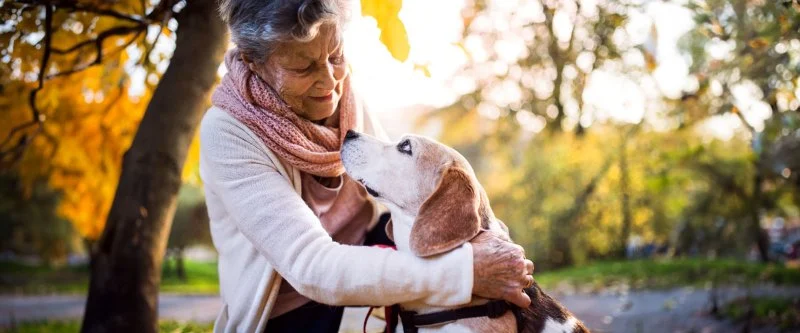
Travel Safety Explained: Keeping Your Senior Pets Healthy in the UK
- 1. Introduction
- 2. Pre-Trip Checklist for Senior Pets
- 3. Tips for Traveling with Senior Pets
- 4. Special Considerations for Senior Pets
- 5. Real-Life Example: Traveling with Senior Pets
- 6. Additional Tips for Pet Health During Travel
1. Introduction
Traveling with senior pets can be both a rewarding and challenging experience. As our furry companions age, their health needs change, and their ability to travel comfortably may decrease. However, with proper preparation, travel can still be an enjoyable experience for both you and your senior pet. In this article, we’ll explore how to keep your senior pets healthy and safe while traveling, specifically in the UK, where different climates and regulations can pose unique challenges.
2. Pre-Trip Checklist for Senior Pets
Before embarking on any trip, it’s essential to ensure your senior pet is ready for travel. Here’s a pre-trip checklist to help you prepare:
- Visit the Vet: Schedule a vet appointment for a full check-up to ensure your senior pet is in good health. Ask the vet about any specific concerns, such as mobility issues or heart conditions.
- Update Vaccinations and Health Records: Ensure your pet's vaccinations are up-to-date, and carry their health records with you in case you need them during the trip.
- Prepare Medications: If your pet requires medication, make sure you have an adequate supply for the entire trip. Also, consult with your vet about how to administer medication while on the go.
- Pack Comfort Items: Bring along familiar items such as your pet’s bed, favourite toys, or a blanket to help reduce anxiety and provide comfort during travel.
3. Tips for Traveling with Senior Pets
Traveling with senior pets requires some special attention to ensure their comfort and well-being. Follow these tips to make the journey smoother for your pet:
- Choose Pet-Friendly Accommodation: Research pet-friendly hotels or accommodations ahead of time to ensure they can comfortably accommodate your senior pet. Some places may even offer extra amenities like pet beds or pet-sitting services.
- Plan for Frequent Breaks: If you’re traveling by car, make sure to plan for frequent breaks. Senior pets may need more opportunities to stretch their legs and use the bathroom.
- Keep Pets Hydrated and Fed: During travel, it’s essential to keep your pet hydrated and well-fed. Avoid overfeeding before travel to prevent motion sickness but keep them on a regular feeding schedule.
4. Special Considerations for Senior Pets
As pets age, they develop specific health conditions that need extra care when traveling. Consider the following points:
- Mobility Issues: Senior pets often have arthritis or other mobility problems. If your pet struggles to get into the car or hotel room, consider investing in a pet ramp or a sturdy harness for support.
- Increased Sensitivity to Temperature: Senior pets are more vulnerable to temperature changes. Always ensure your pet is not exposed to extreme heat or cold, and bring along a travel carrier or crate with proper ventilation.
- Vision and Hearing Loss: Senior pets may experience vision or hearing loss, which can make them more anxious in unfamiliar environments. Try to keep their routine as consistent as possible and use calming strategies such as familiar scents or sounds.
5. Real-Life Example: Traveling with Senior Pets
Take the example of Sarah and her 12-year-old dog, Max. When Sarah decided to travel to the Lake District in the UK, she was concerned about Max’s health, as he had arthritis and trouble with his back legs. However, by consulting with her vet beforehand and packing everything he needed, including a ramp for the car and his favourite soft bed, Max enjoyed the trip. Sarah shared that the key was to take it slow, ensuring frequent stops for Max to rest and stretch his legs. They also planned their accommodation ahead of time, selecting a pet-friendly hotel that offered easy access to the outdoors. By paying attention to Max’s needs and being prepared, Sarah had a stress-free trip, and Max had a great time!
6. Additional Tips for Pet Health During Travel
In addition to the tips mentioned, here are a few more strategies for keeping your senior pet healthy during your trip:
- Bring Along a First Aid Kit: Always have a first aid kit handy that includes basic items like bandages, antiseptic wipes, and any specific medications your pet may need.
- Monitor Your Pet’s Stress Levels: Senior pets may find travel more stressful than younger pets. Keep an eye on their behaviour and look for signs of stress, such as excessive panting or drooling.
- Maintain a Familiar Routine: As much as possible, try to keep your pet's feeding and sleeping schedule consistent, even while traveling.
Traveling with senior pets in the UK can be a wonderful experience as long as you take the necessary precautions to ensure their comfort and health. For more tips and resources, visit RegPets, where we offer a range of products and advice tailored to senior pets' needs.





 Vets for Pets Oadby4.0 (620 reviews)
 Maidenhead Aquatics Tong4.0 (116 reviews)
 Barkabullz4.0 (24 reviews)
 Pets Corner4.0 (352 reviews)
 Howgrave Lodge Cattery5.0 (21 reviews)
 Purrs Cattery5.0 (29 reviews)
 Vaccination Guide Explained: Keeping Your Reptiles Healthy in the UK
 Pet Dental Care: Why Regular Vet Visits Matter for Your Pet’s Oral Health
 UK Pet Owner’s Guide to Mental Health for Birds: Understanding and Supporting Your Pet’s Well-Being
 The Importance of Health Checkups for Rabbits – UK Edition
 Best Practices for Allergy Care in Senior Pets
 Top 10 Urgent Signs Your Pet Needs to See a Vet in the UK