
- 1. Why Regular Health Checkups are Essential for Cats
- 2. Key Health Checkup Components for Cats
- 3. How Often Should You Schedule a Health Checkup for Your Cat?
- 4. Preventive Care: What UK Cat Owners Should Know
- 5. Real-Life Example: How Health Checkups Helped Improve a Cat’s Quality of Life
- 6. Conclusion: Best Practices for Keeping Your Cat Healthy in the UK
1. Why Regular Health Checkups are Essential for Cats
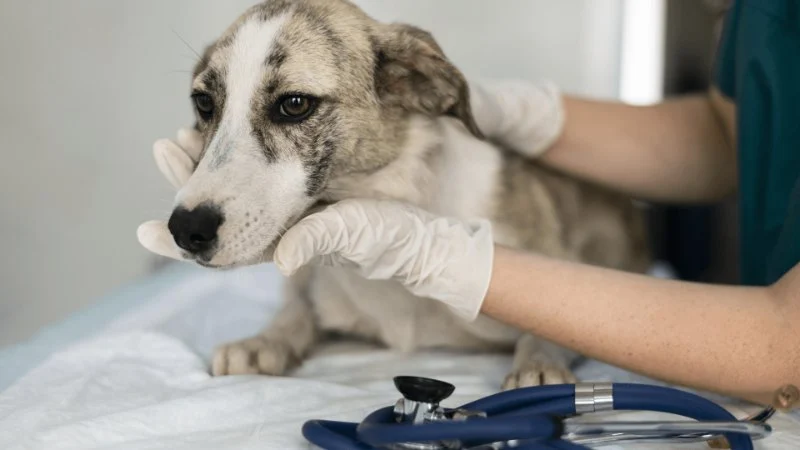
As a cat owner, it’s easy to think that as long as your cat seems happy and healthy, they don’t need a regular checkup. However, regular health checkups are crucial for the long-term well-being of your feline companion. Cats are notorious for hiding symptoms of illness, so even if your cat seems fine, they may be experiencing health issues that are not immediately obvious.
Regular checkups allow a veterinarian to detect any underlying health problems early, providing the best chance for successful treatment. This is especially important in preventing serious conditions like kidney disease, dental problems, or even heart disease, which are common in older cats. It’s all about keeping your furry friend in top shape for as long as possible!

Yorkshire Vets - Thornbury Hospital
515 Bradford Rd, Thornbury, Bradford BD3 7BA, UK
2. Key Health Checkup Components for Cats
During a health checkup, the veterinarian will typically perform several key assessments to ensure your cat is healthy. Here are the main components of a typical health checkup for your cat:

2.1. Physical Examination
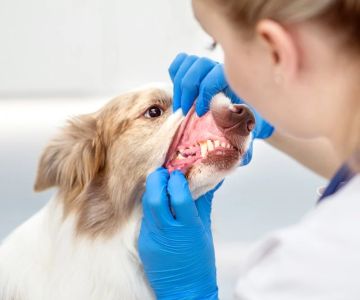
A thorough physical examination is the first step of any checkup. This includes checking your cat’s coat, skin, eyes, ears, and teeth. The vet will also palpate the abdomen to feel for any abnormalities, such as swelling or pain that could indicate internal issues.
2.2. Weight and Nutritional Assessment
Obesity is a growing concern for cats, especially in domestic settings. During a health checkup, your vet will weigh your cat and assess their body condition to ensure they are at a healthy weight. If necessary, they can provide guidance on diet and nutrition tailored to your cat’s needs.
2.3. Heart and Lung Check
Your vet will listen to your cat’s heart and lungs to check for any abnormalities, such as irregular heartbeats or lung congestion. Heart and respiratory issues can be silent but severe, especially in senior cats.
2.4. Vaccinations and Parasite Control
Ensuring that your cat is up-to-date with vaccinations and parasite prevention is an important part of their health checkup. Vaccines help protect against common infections, and parasite control prevents issues like fleas, ticks, and intestinal worms.
3. How Often Should You Schedule a Health Checkup for Your Cat?
The frequency of your cat’s health checkups depends on their age, health status, and lifestyle. Here are some general guidelines:
3.1. Kittens and Young Cats
Kittens should have their first veterinary checkup as early as eight weeks old. After that, they should return to the vet for vaccinations and general checkups every 3-4 weeks until they are about 16 weeks old.
3.2. Adult Cats
Once your cat is an adult (between 1 and 7 years old), an annual checkup is typically sufficient. During these checkups, your vet will ensure that your cat remains healthy and up-to-date on vaccinations and parasite prevention.
3.3. Senior Cats
For senior cats (7 years and older), more frequent checkups are recommended, ideally every six months. Older cats are more likely to develop chronic conditions such as arthritis, kidney disease, and dental problems. Early detection of these conditions can greatly improve the quality of life and longevity.
4. Preventive Care: What UK Cat Owners Should Know
Preventive care is a critical aspect of keeping your cat healthy in the long term. In addition to regular checkups, there are a few key preventive measures UK cat owners should consider:
4.1. Diet and Nutrition
A balanced, nutritious diet is vital for your cat’s health. Depending on their age, size, and any existing health conditions, your cat may need specific dietary adjustments. Consult your vet for recommendations on the best food for your cat’s needs.
4.2. Exercise and Mental Stimulation
Ensuring your cat gets enough physical and mental stimulation is crucial, especially for indoor cats. Interactive toys, scratching posts, and climbing structures can help keep your cat active and entertained, preventing obesity and boredom-related behaviors.
4.3. Regular Dental Care
Dental health is often overlooked, but it’s just as important as any other aspect of care. Regular brushing and dental checkups can prevent dental disease, which is common in cats. Ask your vet for advice on how to maintain your cat’s oral health.
5. Real-Life Experience: How Health Checkups Helped Improve a Cat’s Quality of Life
A good example of the importance of regular health checkups is the story of Bella, a 10-year-old cat whose owners, after noticing her reduced activity, took her for a checkup. The vet discovered early signs of arthritis and started her on a treatment plan. With the right medication and lifestyle adjustments, Bella regained her mobility and continued to live an active, comfortable life.
This story highlights how early intervention through regular checkups can help manage age-related conditions and enhance your cat’s quality of life.
6. Conclusion: Best Practices for Keeping Your Cat Healthy in the UK
Regular health checkups are essential for keeping your cat healthy and happy throughout their life. By staying on top of your cat’s health needs, including vaccinations, parasite control, dental care, and routine checkups, you can catch potential issues early and provide the best care possible. Preventive measures, such as a balanced diet, exercise, and regular vet visits, are key to maintaining your cat’s health in the long run.
For more information on cat health and to find the best pet products and services, visit RegPets for expert advice and recommendations tailored to your cat’s needs.




 Vets4Pets - Larne4.0 (108 reviews)
 Bainbridge Vets4.0 (43 reviews)
 Fenaghy Veterinary Clinic4.0 (266 reviews)
 R F Canners (Ulster)4.0 (80 reviews)
 Bell Brown & Bentley Veterinary Surgeons4.0 (325 reviews)
 Abbey Vets4.0 (42 reviews)
 How to Handle Emergency Situations with Your Pet
 Seasonal Health Tips for Guinea Pigs: Essential Care Advice for UK Pet Owners
 The Importance of Exercise and Fitness for Kittens – UK Edition
 What to Expect During Your Pet’s First Vet Visit: A Comprehensive Guide
 Complete Guide to Mental Health for Kittens: Supporting Your Kitten's Well-Being
 The Importance of Skin and Coat Care for Senior Pets in the UK