
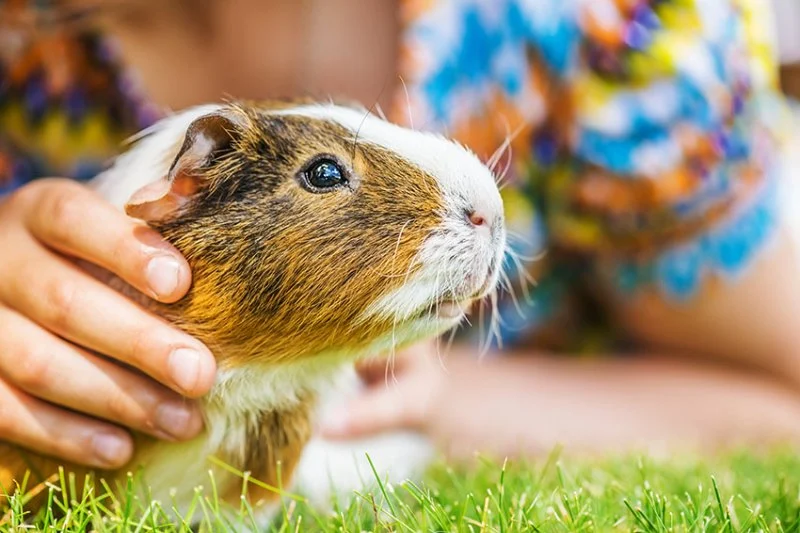
Top 10 Behaviour Training Every Guinea Pig Owner in the UK Should Know
- Why Training Your Guinea Pig Is Essential
- 1. Creating a Safe and Comfortable Space
- 2. Building Trust with Your Guinea Pig
- 3. Teaching Basic Commands
- 4. Handling and Grooming
- 5. Litter Training Your Guinea Pig
- 6. Understanding Guinea Pig Vocalizations
- 7. Socialisation with Other Pets
- 8. Positive Reinforcement Techniques
- 9. Exercising and Mental Stimulation
- 10. Patience and Consistency
Why Training Your Guinea Pig Is Essential
Guinea pigs, like all pets, thrive on structure, care, and attention. Training your guinea pig is not only an enjoyable activity but also essential for creating a harmonious environment. In the UK, where pet care standards are high, it’s important to ensure that guinea pigs are well-adjusted and able to live comfortably in their environment. Training your guinea pig helps to build a stronger bond between you and your pet, encourages good behaviour, and reduces stress for both you and your guinea pig.

1. Creating a Safe and Comfortable Space
Before starting any training, ensure that your guinea pig has a safe, quiet, and comfortable space where they feel secure. A well-maintained cage, lined with soft bedding and plenty of space to move around, will help them feel at ease. The first step in any training routine is to establish trust, and a secure environment is crucial for that.
2. Building Trust with Your Guinea Pig
Trust is the foundation of any training process. Guinea pigs are naturally shy creatures, so they may need time to adjust to your presence. Start by offering treats and speaking softly to your guinea pig to help them become familiar with you. Gradually introduce your hands into their space to allow them to get used to human touch. Patience is key to fostering a trusting relationship.
3. Teaching Basic Commands
Just like dogs, guinea pigs can learn basic commands with consistent training. Simple commands such as "come," "sit," or "no" can be taught using positive reinforcement. Hold a treat in your hand and move it towards your guinea pig, guiding them to follow your instructions. Positive reinforcement encourages them to repeat the desired action.
4. Handling and Grooming
Guinea pigs need regular handling and grooming to keep them healthy. Start by gently picking them up and holding them in a secure, comfortable way. This will help them become accustomed to being handled. Regular brushing is essential for maintaining their coat, especially for long-haired breeds. Make sure to use appropriate grooming tools and avoid any rough handling that may cause stress.
5. Litter Training Your Guinea Pig
Litter training your guinea pig can make cleaning easier and help create a more hygienic environment. Guinea pigs naturally tend to relieve themselves in specific spots, so placing a small litter tray in the corner of their cage can help them learn where to go. Use a non-toxic, absorbent litter and ensure the tray is cleaned regularly to maintain a healthy habitat.
6. Understanding Guinea Pig Vocalizations
Guinea pigs are vocal animals, and understanding their sounds can greatly enhance your relationship. They make different noises to express their needs or emotions. A high-pitched squeak may indicate excitement or a request for food, while a purring sound can show contentment. Listening to your guinea pig’s vocalisations helps you interpret their feelings and respond appropriately.
7. Socialisation with Other Pets
If you have other pets, it’s important to train your guinea pig to feel comfortable around them. Guinea pigs can be social with other animals, but it’s important to introduce them slowly and supervise interactions. Never leave your guinea pig alone with larger animals, as they can feel threatened. Building positive relationships with other pets will help reduce stress and create a peaceful home environment.
8. Positive Reinforcement Techniques
Positive reinforcement is one of the most effective training methods. Reward your guinea pig with treats, affection, or a favorite toy when they exhibit the desired behaviour. This encourages them to repeat the behaviour and helps them learn more quickly. Avoid punishment, as guinea pigs respond better to encouragement and rewards.
9. Exercising and Mental Stimulation
Guinea pigs are active and curious animals that need regular exercise and mental stimulation. Set aside time every day to let your guinea pig explore outside their cage in a safe space. Providing tunnels, balls, and other toys will keep their minds engaged. A lack of stimulation can lead to boredom and undesirable behaviours, so make sure to keep your guinea pig entertained and active.
10. Patience and Consistency
The most important aspect of training your guinea pig is patience. They may take time to learn new behaviours, and consistency is crucial in reinforcing those behaviours. Set aside time each day for training sessions and remain calm and gentle. Over time, your guinea pig will learn to trust you and respond to your commands.
With these top 10 tips, you’ll be well on your way to training your guinea pig in the UK to be well-behaved and happy. Remember, every guinea pig is different, and they may require some time to adjust. For further guidance, product recommendations, or expert advice, visit RegPets for the best products and services to help your guinea pig thrive.

 Ridgewood Orthopaedic Services Limited0.0 (0 reviews)
 Scott Mitchell Veterinary Care Ltd4.0 (193 reviews)
 Archway Veterinary Practice4.0 (45 reviews)
 Reef & River Aquarium4.0 (320 reviews)
 Fraser Veterinary Physiotherapy5.0 (2 reviews)
 The Cinchy Doggie Bag0.0 (0 reviews)
 Allergy Care Tips for Exotic Pets: What UK Pet Owners Need to Know
 Allergy Care Explained: Keeping Your Hamsters Healthy in the UK
 What to Expect During Your Pet’s First Vet Visit in the UK – Full Guide for New Owners
 Flea and Tick Prevention for Pets in the UK: Essential Guide
 Pet Dental Care: Why Regular Vet Visits Matter
 Dealing with Anxiety and Stress in Pets: Vet Advice on Managing Pet Stress