

Pet Breathing Changes: Count at Rest and Call Your UK Vet
On this page
Quick answer
A breathing change can involve rate, effort, sound, posture, or colour, and visible distress is more important than completing a count. Keep the pet calm, watch without handling, and count chest rises only during true sleep or quiet rest if it is safe. Call your UK vet promptly; use emergency care for laboured breathing, collapse, or blue, grey, or very pale gums.

What a resting breathing count can and cannot show
One breath is one complete rise and fall of the chest. A resting count can help a vet understand a trend, but heat, stress, pain, exercise, purring, dreaming, medicine, illness, and the counting method affect it. A normal-looking number cannot override increased effort, open-mouth breathing, unusual posture, noise, weakness, or colour change.
This guide is for dog and cat owners in the United Kingdom preparing to contact a veterinary practice. It does not diagnose heart, lung, airway, pain, heat, anaemia, or other causes. Flat-faced breeds, young animals, older pets, and pets with known heart or respiratory disease may need an individual plan and earlier escalation.

Mad Dogs Crazy Cats
Newbold VerdonLeicestershireEngland
Church View, Newbold Verdon, Leicester LE9 9NG, UK
Practical checklist
- When the change began and whether it is constant, intermittent, worsening, linked to exercise, or present during sleep.
- Breathing effort: abdominal push, flared nostrils, elbows held out, neck extended, inability to settle, or reluctance to lie down.
- Sound such as wheeze, whistle, snore, cough, gag, crackle, or a new voice change, without placing your ear near a distressed pet's face.
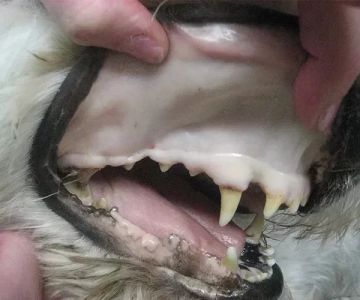
- Gum and tongue colour seen only if the pet allows a quick safe look; do not force the mouth open.
- Temperature, room heat, recent exercise, stress, travel, smoke, aerosol, medication, choking, trauma, or possible toxin exposure.
- Appetite, water, vomiting, pain, energy, collapse, weakness, hiding, sleep, and previous heart or breathing history.
- The regular vet and out-of-hours emergency contact, transport route, carrier or lead, records, and current medicine list.
Step-by-step plan
- If the pet looks distressed, stop counting and phone emergency veterinary care immediately. Avoid unnecessary handling, food, water, or pressure around the neck and chest.
- For a calm sleeping or quietly resting pet, watch from a distance. Count chest rises for a timed interval and calculate a per-minute rate using the same method each time.
- Repeat only if the pet remains undisturbed. Do not wake, restrain, chase, excite, or make the animal walk to obtain a measurement.
- Record rate, time, sleep or rest state, effort, sound, posture, room conditions, medicine, and associated symptoms. A short video may help if it does not delay care.
- Call the veterinary practice and lead with any effort, colour, collapse, or open-mouth breathing, then give species, breed, age, conditions, medicines, and the observed count.
- Follow instructions for transport and timing. Keep the vehicle cool and quiet, use secure low-stress restraint, and call ahead so the team can prepare.
- Use the vet's individual monitoring threshold after assessment rather than adopting a generic online number as a permanent rule.
Keep each observation as one line: date, time, asleep or resting, breaths per minute, effort, sound, posture, gum colour if safely seen, recent activity, medicine, and video filename. Note the pet's usual baseline when well, but contact the vet for a visible change even without a baseline.
Limits and important notes
Home counts are easy to misread, especially with purring cats, thick coats, dreams, panting, or small chest movement. Panting is not measured the same way as quiet resting respiration. Do not use a wearable, app, or video estimate to delay professional triage, and do not give human cough, allergy, pain, or sedative medicine.
Seek emergency veterinary care now for open-mouth breathing in a cat, gasping, marked abdominal effort, blue or grey colour, very pale gums, collapse, inability to stand, choking, severe weakness, major trauma, suspected heatstroke, or rapid deterioration. Phone while arranging transport and follow the emergency team's handling instructions.
Frequently asked questions
What is a normal resting breathing rate?
It varies with the pet and situation. Ask your vet for an individual baseline and action threshold, especially when heart or lung disease is known.
Can I count while my dog is panting?
A quiet resting count is more interpretable. Panting or distress should be described to the vet rather than converted into a reassuring number.
Does purring make a cat count inaccurate?
It can. Do not disturb the cat to stop purring; report the visible pattern and seek veterinary advice if anything has changed.
Should I check gum colour?
Only with a quick safe look if the pet allows it. Never force the mouth of a frightened or breathless animal.
Can I wait until the regular practice opens?
Ask the out-of-hours service. Visible effort, colour change, collapse, open-mouth breathing, or rapid worsening should not wait.
Sources and evidence
Use direct triage and examination from the regular or out-of-hours UK veterinary practice, plus the pet's current care plan and medicine record. General veterinary practice supports low-stress observation, true resting counts, and immediate escalation for respiratory effort, colour change, collapse, or open-mouth breathing.
Conclusion and next steps
Watch the pet, not only the number. If breathing looks harder, sounds different, or changes posture or colour, call before trying to build a longer record. For stable monitoring, count during true rest using one method and follow the vet's individual threshold. Keep transport and emergency contacts ready because breathing problems can worsen quickly.


 Mellows Cattery4.0 (13 reviews)
 Pets at Home Consett4.0 (379 reviews)
 Irish Koi | Japanese Koi Northern Ireland5.0 (1 reviews)
 Pets & Aquatics at Plantsplus3.0 (11 reviews)
 Ribble Vets Penwortham4.0 (301 reviews)
 The Dog Grocer5.0 (33 reviews)
 New Lump on a Pet? Map, Measure, and Call Your UK Vet
 How to Improve Guinea Pigs Behaviour Training at Home: Effective Tips for Pet Owners
 The Importance of Travel Safety for Birds – UK Edition
 Vet-Approved Exercise and Fitness for Senior Pets
 Top 10 Nutrition Tips Every Dog Owner in the UK Should Know
 How to Prepare Your Pet for Their Annual Checkup