

- why-annual-checkups-matter-for-uk-pets
- getting-your-pet-comfortable-with-travel-and-the-vet-clinic
- essential-steps-to-prepare-your-pet-before-their-checkup
- what-to-bring-and-questions-to-ask-during-the-appointment
- case-study-max-the-cat-and-the-missed-warning-signs
- after-the-checkup-follow-up-care-and-tips
1. Why Annual Checkups Matter for UK Pets
In the UK, most pet owners recognise the importance of vaccinations, but annual health checkups are often underestimated. These routine visits offer much more than just a quick once-over—they're crucial for early detection of conditions like arthritis, dental disease, obesity, or even organ issues that may not show visible signs.
British pets are living longer thanks to better diets and improved veterinary care, but this longevity also brings age-related illnesses. Regular vet visits ensure your pet’s health is tracked consistently, with personalised advice based on their breed, age, and lifestyle. And let’s be honest—spotting problems early can save a fortune in emergency treatment later on.

Paragon Veterinary Group
NewbigginWestmorland and FurnessEngland
Oak Bank, Newbiggin, Penrith CA11 0HT, UK
2. Getting Your Pet Comfortable with Travel and the Vet Clinic
A common obstacle UK pet owners face is anxiety—both theirs and their pet's—about vet visits. Cats may hide under beds the moment the carrier appears, and some dogs tremble before even entering the car park.
To prepare your pet for their annual checkup, start by making the journey less stressful. For dogs, take practice car rides to fun destinations so the vet isn't always the endpoint. For cats, keep the carrier out at home with treats inside to reduce fear.
Many UK veterinary clinics now have separate waiting areas for cats and dogs, or offer early-morning quiet appointments. It’s worth ringing ahead to request one, especially if your pet gets nervous. Some pet parents even bring along a familiar blanket or toy to help soothe nerves.
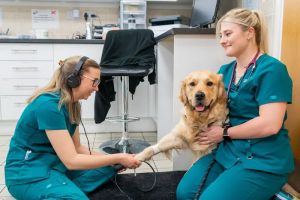
3. Essential Steps to Prepare Your Pet Before Their Checkup
Preparation begins at home, and timing is key. In the days leading up to the checkup:
- Note any changes in behaviour, appetite, toileting habits, or activity levels. Keep a diary or use your phone to jot quick observations.
- Check their coat, ears, eyes, and teeth for any visible issues or odours.
- Ensure you know what medications, supplements, or treatments your pet is currently on—including flea, tick, and worming regimes.
- Don’t feed your pet right before the appointment unless advised—especially if blood tests might be needed.
If your pet has mobility issues, call your vet to arrange assistance or a home visit. UK practices are increasingly accommodating, and you’ll find great support with services listed on RegPets for everything from home-based health checks to mobile grooming.
4. What to Bring and Questions to Ask During the Appointment
Your vet visit isn’t just for the professional—it’s your chance to get clarity and peace of mind. Bring the following:
- Vaccination history or pet passport
- Any medical records from previous clinics
- A list of symptoms or concerns
- A stool sample if requested (especially for deworming checks)
Don’t hesitate to ask questions such as:
- “Is my pet’s weight healthy for their age and breed?”
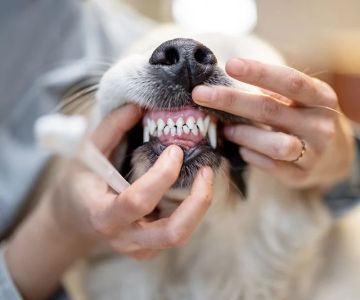
- “Are their teeth and gums in good condition?”
- “Do we need to update any parasite control treatments?”
- “Should I consider any senior screening tests?”
A proactive approach builds trust with your vet and empowers you as a pet parent.
5. Case Study: Max the Cat and the Missed Warning Signs
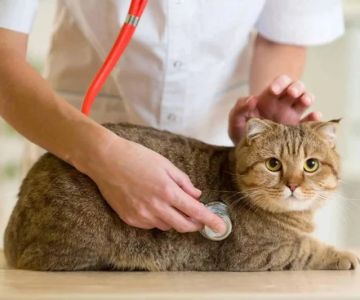
Max, a 9-year-old British Shorthair, had always been a healthy, independent cat. His owners skipped his annual checkup for two years, assuming he was fine. But when Max suddenly stopped eating, they rushed him in—only to discover advanced dental disease and early-stage kidney problems.
With regular checkups, both conditions could’ve been caught earlier. The vet mentioned subtle signs like bad breath and decreased grooming were easy to miss at home. Max is now on a special renal diet and medication—but his story reminds us that silent symptoms can be dangerous.
Stories like Max’s show why knowing how to prepare your pet for their annual checkup isn’t just about ticking a box—it’s a vital habit that can change your pet’s life.
6. After the Checkup: Follow-Up Care and Tips
Once the checkup is done, you may feel relieved—but it’s not the end. Follow your vet’s instructions carefully, whether it’s updating a vaccine, adjusting diet, or booking a dental cleaning. Set reminders for future parasite treatments and consider tracking your pet’s health in a notebook or app.
Some UK practices offer wellness plans that bundle checkups, parasite control, and vaccinations into one monthly fee. These plans are particularly helpful for spreading costs and staying on track—and you can often compare plans via RegPets to find the right one in your area.
Most importantly, reward your pet after the visit—a treat, a long walk, or extra cuddles. Make the experience something they (and you) don’t dread next time.




 Pets at Home Durham4.0 (808 reviews)
 Pets at Home Newcastle Kingston Park4.0 (799 reviews)
 Gortlands Veterinary Clinic4.0 (590 reviews)
 Pets at Home Carlisle4.0 (852 reviews)
 The Raw Food Warehouse5.0 (2 reviews)
 Iveagh Vets4.0 (142 reviews)
 The Importance of Microchipping Your Pet in the UK
 How to Improve Fish Behaviour Training at Home – Expert Tips for Success
 Complete Guide to Seasonal Health Tips for Reptiles
 How to Spot Signs of Arthritis in Older Pets: A Complete Guide
 Vaccination Guide Explained: Keeping Your Reptiles Healthy in the UK
 How to Spot Signs of Arthritis in Older Pets in the UK