
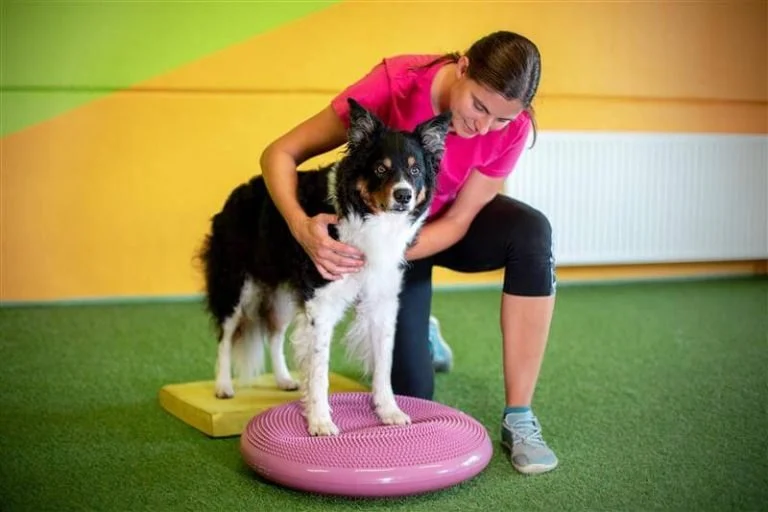
The Importance of Exercise for Senior Pets
As our pets age, it’s easy to think that they need less activity. However, just like humans, older pets need regular exercise to maintain their health, mobility, and overall well-being. Exercise plays a crucial role in managing conditions like arthritis, obesity, and heart disease, which are common in senior pets. A healthy fitness routine helps keep their muscles and joints strong, which in turn improves their quality of life and prolongs their active years.

Types of Exercise for Senior Pets
Choosing the right type of exercise for a senior pet requires understanding their specific needs, limitations, and preferences. Here are some vet-approved exercise options for senior pets:

Ash Tree Vets, Kibworth
9, Priory Business Park, Wistow Rd, Kibworth, Kibworth Harcourt, Leicester LE8 0RX, UK
1. Gentle Walks
One of the simplest and most effective forms of exercise for senior pets is walking. Regular, short walks provide both mental stimulation and physical activity without overtaxing your pet. Start with shorter durations and gradually increase the length based on your pet’s comfort level. For dogs with arthritis or mobility issues, consider using a harness with a handle to assist with walking.
2. Swimming
For pets with joint issues or arthritis, swimming is a fantastic low-impact exercise. The buoyancy of water reduces pressure on the joints while allowing your pet to work out their muscles. Many pets, especially dogs, enjoy swimming, and it can be a fun way to cool off during the summer months. Be sure to monitor your pet’s stamina and avoid overexertion.
3. Playtime and Mental Stimulation
Exercise doesn’t always have to be physical. Mental stimulation is just as important for senior pets. Interactive toys, puzzle feeders, and even simple games like fetch (with a soft ball) can engage their minds and keep them active. Regular playtime also strengthens the bond between you and your pet, contributing to their overall happiness.
4. Light Strength Training
Some senior pets, especially dogs, may benefit from light strength training. Simple exercises like sit-to-stand movements or gentle leg stretches can help maintain muscle tone and improve flexibility. Always start slow and consult with a vet or pet physiotherapist before beginning any strength training routine.
How to Create a Senior Pet Fitness Plan
Creating a fitness plan for your senior pet requires a personalized approach. Each pet has different needs depending on their breed, age, and health condition. Here’s a step-by-step guide to help you get started:
1. Assess Your Pet’s Health
Before starting any fitness routine, it’s important to consult with your vet to assess your pet’s overall health. A vet can provide a baseline for your pet’s fitness level and recommend any adjustments based on health conditions such as arthritis, obesity, or heart disease. The vet may also suggest specific exercises or therapies that are suitable for your pet’s needs.
2. Set Realistic Goals
Once you have a health assessment, it’s important to set realistic and achievable goals. For example, if your pet has been inactive, start with short walks or gentle activities and gradually increase the duration. Keep in mind that older pets may not have the stamina they once did, so be patient and consistent with the routine.
3. Make Exercise Fun
Exercise should be enjoyable for both you and your pet. Choose activities your pet loves, whether it’s walking in the park, chasing a ball, or splashing around in water. Incorporating playtime into your pet’s fitness plan will help keep them motivated and excited about staying active.
4. Monitor Progress
Track your pet’s progress and make adjustments as needed. Keep an eye on their energy levels, behavior, and overall health. If you notice signs of discomfort, such as limping or fatigue, take a step back and adjust the intensity of the exercises. Always prioritize your pet’s well-being above all else.
Safety Tips for Exercising Senior Pets
While exercise is essential for senior pets, safety should always be a priority. Here are some important tips to ensure your pet’s exercise routine is both safe and effective:
1. Warm Up and Cool Down
Just like humans, senior pets need a proper warm-up and cool-down to prevent injury. Start with gentle stretches or a slow walk before moving into more intense activity. After exercise, give your pet a cool-down period to allow their body to recover.
2. Watch for Signs of Overexertion
It’s important to monitor your pet for signs of overexertion, such as excessive panting, drooling, or difficulty walking. If your pet shows any of these signs, stop the exercise and allow them to rest. Older pets may take longer to recover, so give them plenty of time to rest between exercise sessions.
3. Hydration is Key
Ensure your pet always has access to fresh water during and after exercise, especially if they’re engaging in more intense activities like swimming or running. Dehydration can lead to serious health issues, particularly in senior pets.
Real-Life Examples of Senior Pet Fitness Success
Here are some inspiring examples of senior pets who benefited from a structured fitness routine:
Case Study 1: Max the Senior Dog
Max, a 10-year-old Labrador, had been struggling with arthritis, making it difficult for him to walk long distances. His owner, Sarah, worked with a vet to create a customized fitness plan that included daily short walks and weekly swimming sessions. Over time, Max regained his mobility and energy levels. Sarah noticed significant improvements in Max’s mood and overall quality of life, and he was able to enjoy more time playing with his family.
Case Study 2: Bella the Senior Cat
Bella, a 12-year-old indoor cat, had been gaining weight and losing muscle mass. Her owner introduced daily playtime using interactive toys like feather wands and laser pointers. This daily activity not only helped Bella lose weight but also kept her mentally engaged. Bella’s owner also made sure to monitor her food intake and hydration, ensuring that she remained healthy and active well into her senior years.
These real-life stories highlight the importance of personalized fitness plans for senior pets and show that with the right exercise routine, aging pets can maintain their health and vitality.


 M & J Koi4.0 (36 reviews)
 Grange Veterinary Surgery4.0 (206 reviews)
 Ballymena Pet Vets4.0 (91 reviews)
 Yorkshire Vets - Birkenshaw4.0 (83 reviews)
 Robson & Prescott Veterinary Practice4.0 (108 reviews)
 Taylors Corn Stores4.0 (69 reviews)
 Travel Safety Tips for Senior Pets: What UK Pet Owners Need to Know
 Best Practices for Mental Health in Guinea Pigs
 Top 10 Parasite Prevention Every Exotic Pets Owner in the UK Should Know
 Dealing with Anxiety and Stress in Pets: Vet Advice
 Complete Guide to Common Illnesses for Puppies
 UK Pet Owner’s Guide to Seasonal Health Tips for Puppies