
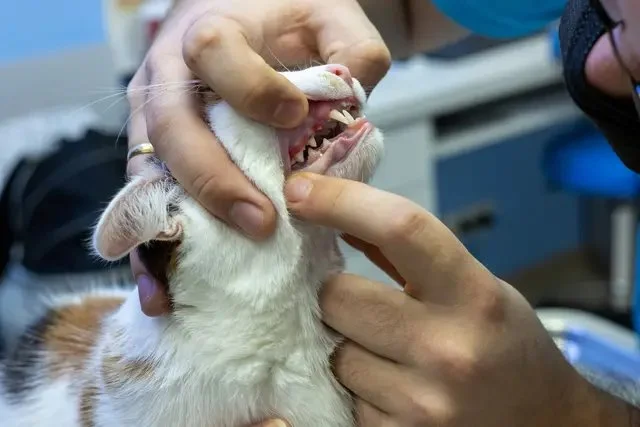
- -understanding-cat-dental-health
- -common-dental-issues-in-cats
- -signs-your-cat-needs-dental-care
- -daily-dental-hygiene-for-cats
- -professional-vet-dental-care
- -diet-and-dental-health
- -safe-dental-products-for-cats
- -stories-from-real-cat-owners
- -RegPets-recommendations
1. Understanding Cat Dental Health
Maintaining your cat’s oral health is not just about avoiding bad breath or yellow teeth; it’s a critical aspect of their overall wellbeing. According to veterinary experts, oral problems in cats can lead to pain, difficulty eating, and even systemic diseases affecting the heart, kidneys, and liver.
Feline dental anatomy is unique. Cats have 30 permanent teeth designed for tearing meat. Their sharp canines and smaller molars require careful maintenance to prevent plaque accumulation, tartar, and gingivitis. Regular check-ups with a veterinarian allow early detection of problems that might otherwise go unnoticed until they become severe.

2. Common Dental Issues in Cats
2.1 Periodontal Disease
Periodontal disease is the most frequent dental issue in cats, affecting almost 70% of felines over three years old. It begins as gingivitis, the inflammation of the gums, and if left untreated, progresses to periodontal disease, causing pain, tooth loss, and infections that can spread to vital organs.

2.2 Tooth Resorption
Tooth resorption is a condition where a cat’s body begins to break down the structure of a tooth. It often affects older cats and can be extremely painful. Signs include difficulty chewing, drooling, and pawing at the mouth. Veterinarians recommend regular dental X-rays to detect this issue early.
2.3 Stomatitis
Stomatitis is a severe inflammation of the cat’s mouth that can cause extreme discomfort. Its causes are linked to autoimmune responses, bacterial infections, and sometimes underlying conditions like feline calicivirus. Professional care is critical, often requiring dental extractions to relieve pain and restore quality of life.
3. Signs Your Cat Needs Dental Care
Recognizing early signs of dental problems is key to preventing more severe conditions:
- Persistent bad breath
- Difficulty eating or dropping food
- Excessive drooling
- Red, swollen, or bleeding gums
- Loose or missing teeth
- Behavioral changes, such as irritability or hiding
Observing these symptoms and consulting a veterinarian promptly can prevent long-term complications. A vet will perform a thorough oral examination and may recommend professional cleaning or other treatments.
4. Daily Dental Hygiene for Cats
4.1 Brushing Techniques
Daily brushing is the gold standard for maintaining feline dental health. Experts recommend using a soft-bristled cat toothbrush and feline-safe toothpaste. Start slowly, allowing your cat to become accustomed to the sensation. Focus on the gum line and the back molars, which are prone to tartar buildup.
4.2 Dental Treats and Chews
Dental treats are an effective supplement to brushing. They help reduce plaque and tartar while satisfying your cat’s natural chewing instincts. Look for products approved by veterinary dental associations to ensure safety and efficacy.
4.3 Water Additives and Oral Gels
For cats resistant to brushing, water additives or oral gels can maintain oral hygiene by reducing bacteria in the mouth. These should be used as directed by your vet and are most effective when combined with regular check-ups.
5. Professional Vet Dental Care
Even with diligent home care, professional veterinary dental care is essential. Vets perform procedures under anesthesia, allowing thorough cleaning, tartar removal, and necessary extractions. Regular professional cleanings, typically every 12–24 months depending on the cat’s health, prevent serious complications and prolong lifespan.
5.1 Sedation Safety
Modern veterinary practices prioritize safety with pre-anesthesia blood work and monitoring during dental procedures. This ensures minimal risk even for older or medically fragile cats.
5.2 Post-Procedure Care
After dental treatments, cats may require pain management and a soft diet temporarily. Follow-up visits ensure that gums heal properly and no infections develop.
6. Diet and Dental Health
Nutrition plays a crucial role in oral health. Dry kibble designed for dental health helps reduce plaque through mechanical abrasion. Wet food, while beneficial for hydration, may require supplementary dental care.
Some cats benefit from specially formulated diets that support gum health and reduce tartar formation. Always consult your vet to choose foods suited for your cat’s age, breed, and health status.
7. Safe Dental Products for Cats
Choosing safe and effective dental products is vital:
- Cat-specific toothpaste and toothbrushes
- Veterinary-approved dental chews and treats
- Oral gels and water additives for plaque control
- Regular professional cleaning products recommended by vets
RegPets provides a curated selection of dental products designed for feline safety and effectiveness, ensuring your cat receives the best care possible.
8. Stories from Real Cat Owners
Take the example of Bella, a five-year-old British Shorthair. Her owner noticed she was dropping food and drooling excessively. A vet visit revealed early-stage periodontal disease. With a combination of professional cleaning, daily brushing, and RegPets dental chews, Bella’s oral health improved significantly, and she is now pain-free and more energetic.
Another case is Max, a Siamese with tooth resorption. Early detection through routine veterinary check-ups allowed targeted extractions and preventive care. Max now enjoys eating comfortably and requires minimal ongoing dental treatment.
9. RegPets Recommendations
For UK cat owners seeking the best in feline dental care, RegPets offers a variety of products and services:
- Expert-approved dental toothbrushes and toothpaste
- Vet-recommended dental treats and chews
- Oral gels and supplements for cats with sensitive teeth
- Professional vet referral services to ensure timely dental care
By combining professional advice, daily home care, and high-quality products, RegPets helps ensure that cats maintain healthy teeth and gums throughout their lives.
Regular attention to your cat’s dental health not only prevents pain and discomfort but also supports overall health and longevity. Following expert vet advice on dental care for cats ensures that your feline companions enjoy a happy, healthy life with minimal oral health issues.






 Vets4Pets - Lytham4.0 (284 reviews)
 Cats at Fern Bank4.0 (17 reviews)
 Aquarium Services Ltd5.0 (2 reviews)
 Ministry Of Canines5.0 (1 reviews)
 East Coast Raw Pet Foods4.0 (14 reviews)
 The Wild Bird Feeding Shop0.0 (0 reviews)
 The Importance of Parasite Prevention for Rabbits – UK Edition
 Tips for Keeping Your Pet Hydrated and Healthy
 Vet-Approved Exercise and Fitness for Senior Pets
 Managing Pet Anxiety and Stress: Expert Vet Advice
 Pet Dental Care in the UK: Why Regular Vet Visits Matter for Your Pet’s Health
 UK Pet Owner’s Guide to Adoption for Reptiles