
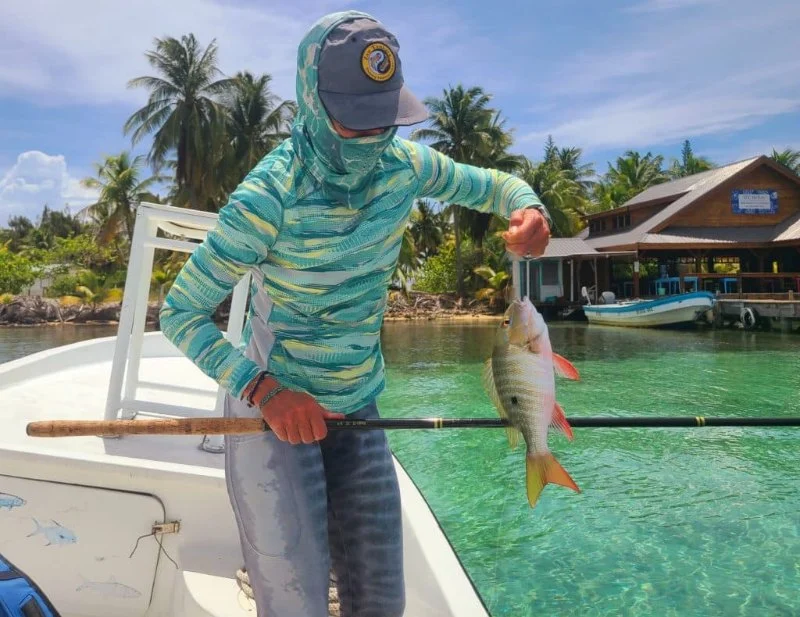
- Preparing for Travel with Your Fish
- Choosing the Right Travel Equipment
- Safe Water Conditions During Travel
- Feeding and Caring for Your Fish While on the Go
- How to Avoid Stress for Your Fish
- Emergency Tips: What to Do If Something Goes Wrong
- Real-Life Story: Traveling with Fish to a UK Aquarium
- Conclusion: Ensuring a Safe Journey for Your Fish
Preparing for Travel with Your Fish
Traveling with pet fish requires careful preparation to ensure they stay safe and healthy during the journey. Whether you’re heading to a new home or taking your fish on a holiday, proper planning is key to minimizing stress and maintaining their well-being. In this article, we’ll walk through 10 essential travel safety tips that every fish owner in the UK should follow to protect their aquatic pets during transit.
Choosing the Right Travel Equipment
Before embarking on your trip, it’s crucial to invest in the right travel equipment. Fish transport bags and tanks are designed specifically to keep your fish comfortable and secure. When selecting equipment, consider the following:
- Fish Transport Bags: These are ideal for short trips and are commonly made from clear, durable plastic. They provide enough space for your fish to swim comfortably while allowing air circulation.
- Portable Fish Tanks: For longer journeys, a portable fish tank is a great choice. These tanks come in various sizes and are equipped with filtration systems to keep the water clean during travel.
- Insulated Containers: If you’re traveling during extreme temperatures, insulated containers can help maintain a stable water temperature, reducing stress on your fish.
Safe Water Conditions During Travel
Maintaining proper water conditions is one of the most important aspects of safe fish travel. Fish are highly sensitive to changes in water quality, so you need to ensure the water remains stable throughout the journey. Here’s how you can keep the water in optimal condition:
- Water Temperature: Fish are sensitive to temperature fluctuations. Use a portable water heater or insulated travel tank to keep the water temperature stable. Most fish thrive in temperatures between 20°C to 24°C, but be sure to research your specific species' needs.
- Water Filtration: For longer journeys, ensure that the water remains filtered. Some portable tanks come with built-in filtration systems, which help prevent the build-up of harmful toxins.
- Water Change: If you are traveling for an extended period, consider changing a portion of the water halfway through the journey to ensure it remains clean and healthy for your fish.
Feeding and Caring for Your Fish While on the Go
Fish don’t need to be fed as frequently as some other pets, but it’s important to provide food during long trips. Here are some tips on feeding and caring for your fish while traveling:
- Limit Feeding Before Travel: It’s a good idea to avoid feeding your fish 24 hours before travel. This helps reduce the chance of waste accumulation and keeps the water quality stable during transit.
- Pack Fish Food: If your journey is long, bring along your fish's usual food in a sealed container. Consider slow-release food pellets that are designed for long trips.
- Monitor Their Behaviour: Keep a close eye on your fish. If you notice unusual behaviour, it might indicate that the water quality is compromised or that they are stressed.
How to Avoid Stress for Your Fish
Fish are incredibly sensitive to stress, which can have detrimental effects on their health. The best way to avoid stress during travel is by ensuring their environment is calm and secure:
- Minimize Movement: Keep the transport container in a stable place, avoiding sudden jolts or sharp movements. This will help prevent unnecessary stress.
- Limit Light Exposure: Fish are sensitive to bright lights. Consider covering the transport bag or tank to reduce light exposure during the journey, especially if you’re travelling for an extended period.
- Avoid Loud Noises: Fish have sensitive hearing, so try to keep the travel environment quiet and peaceful to minimize stress.
Emergency Tips: What to Do If Something Goes Wrong
Even with the best preparation, things can sometimes go wrong. Here’s what to do if you face any issues during your trip:
- Water Leaks: If your transport bag or tank leaks, quickly transfer your fish to another secure container filled with clean water.
- Unstable Water Conditions: If the water temperature or quality becomes unstable, stop and address the issue immediately. Use portable filters, water temperature regulators, or even store-bought water conditioners in emergency situations.
- Fish Stress: If you notice signs of distress, such as erratic swimming or lethargy, stop the trip and consult a vet if necessary. Stress can lead to health problems, so acting quickly is crucial.
Real-Life Story: Traveling with Fish to a UK Aquarium
Take the story of Jane, a dedicated fish owner from Manchester, who decided to take her two prized goldfish on a road trip to a UK aquarium. She had prepared thoroughly, investing in a portable fish tank with an integrated filter and ensuring the water was at the ideal temperature. However, during the trip, the car broke down on the motorway. Jane remained calm, and with the help of a handy emergency kit, she was able to keep the water temperature stable and her fish healthy until they reached their destination. Her fish arrived safely, and she was able to enjoy the aquarium without any issues!
Conclusion: Ensuring a Safe Journey for Your Fish
Traveling with fish can be a challenging experience, but with the right preparation, it doesn’t have to be stressful. By choosing the correct equipment, maintaining safe water conditions, and monitoring your fish’s behaviour, you can ensure a safe and enjoyable journey for both you and your aquatic companions. If you're in need of the best travel accessories for fish care, check out RegPets for top-quality products designed to make fish travel easier and safer.






 Warwick Whelping5.0 (12 reviews)
 Vets4Pets - Brighouse4.0 (444 reviews)
 easipetcare - Kettering4.0 (402 reviews)
 Bourne Cattery4.0 (67 reviews)
 Pets at Home Burnley4.0 (707 reviews)
 Robson & Prescott Veterinary Practice4.0 (108 reviews)
 UK Pet Owner’s Guide to Behaviour Training for Kittens
 Essential Tips for Caring for Senior Pets in the UK
 UK Pet Owner’s Guide to Skin and Coat Care for Kittens
 How to Handle Emergency Situations with Your Pet in the UK
 How to Spot Signs of Arthritis in Older Pets – UK Pet Owner’s Guide
 Common Illnesses Explained: Keeping Your Cats Healthy in the UK