
- Why-Cat-Vaccinations-Are-Essential
- Understanding-Core-and-Non-Core-Vaccines
- Kitten-Vaccination-Schedule-in-the-UK
- Common-Diseases-Cat-Vaccines-Protect-Against
- Indoor-Cats-and-Vaccination-Needs
- Real-Life-Case-Why-Vaccination-Saves-Lives
- How-to-Prepare-Your-Cat-for-Vet-Visits
- Expert-Tips-for-Keeping-Cats-Healthy-After-Vaccination
1. Why Cat Vaccinations Are Essential
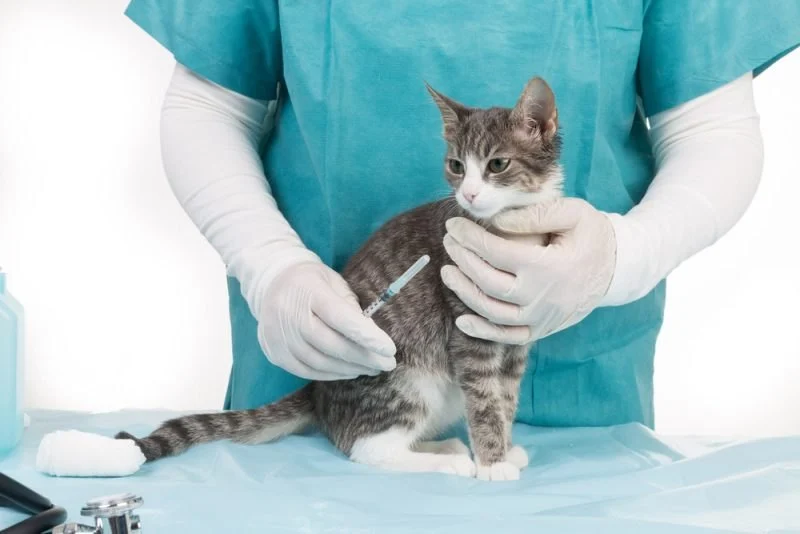
Vaccination is one of the most important steps in responsible cat ownership. According to many veterinary professionals across the UK, a well-planned vaccination programme protects cats from several life-threatening diseases. While modern veterinary medicine has significantly improved treatment options, prevention remains the safest and most effective strategy.

Totally Greyhound
Office 2, 71 Brackenbeds Cl, Pelton, Chester-le-Street DH2 1XJ, UK
1.1 Protecting Cats from Serious Illness
Vaccines stimulate a cat’s immune system so it can recognise and fight dangerous viruses. Without vaccination, infections such as feline panleukopenia or cat flu can spread quickly, especially in environments where cats interact with one another.
Veterinarians often emphasise that vaccination does not only protect an individual pet; it also helps reduce disease transmission across the wider feline population.

Bishopton Veterinary Group York
Unit 3, The Steading Holtby Manor, Stamford Bridge Rd, York YO19 5LL, UK
1.2 Why UK Veterinarians Strongly Recommend It
In the United Kingdom, many veterinary clinics follow guidelines from professional veterinary organisations that recommend routine vaccines for kittens and booster injections throughout adulthood. This approach ensures immunity stays strong as the cat grows older.
Many pet owners researching reliable care products or professional veterinary services also explore resources through platforms such as RegPets, where helpful pet care recommendations and trusted pet-related services are often highlighted.
2. Understanding Core and Non-Core Vaccines
When discussing a cat vaccination guide, veterinarians often divide vaccines into two categories: core vaccines and non-core vaccines.
2.1 Core Vaccines Every Cat Should Receive
Core vaccines are recommended for nearly all cats because they protect against diseases that are widespread and highly contagious.
2.1.1 Feline Panleukopenia
This virus attacks a cat’s immune and digestive systems. It spreads rapidly and can be fatal, particularly in kittens.
2.1.2 Feline Herpesvirus
A common cause of cat flu, this virus leads to respiratory infections, eye problems, and recurring illness throughout a cat’s life.
2.1.3 Feline Calicivirus
This virus affects the respiratory tract and can also cause mouth ulcers, fever, and general weakness.
2.2 Non-Core Vaccines Based on Lifestyle
Some cats may require additional protection depending on their lifestyle.
2.2.1 Feline Leukaemia Virus
Cats that spend time outdoors or interact with other cats may benefit from vaccination against this serious virus.
2.2.2 Rabies (Travel Requirements)
Although rabies is not common in the UK, vaccination may be required when travelling internationally with pets.
3. Kitten Vaccination Schedule in the UK
One of the most common questions new pet owners ask is when kittens should receive their first injections.
3.1 Early Protection for Young Cats
Kittens receive temporary immunity from their mother’s milk, but this protection gradually fades. Vaccination ensures their immune systems develop lasting protection.
3.2 Typical UK Vaccination Timeline
3.2.1 First Injection
Usually given at around 8–9 weeks of age.
3.2.2 Second Injection
Administered roughly 3–4 weeks later to strengthen immunity.
3.2.3 Annual Boosters
Adult cats often receive booster vaccinations yearly or as recommended by their veterinarian.
Many experienced pet owners find it useful to track vaccination schedules alongside other pet care tasks, which is why platforms such as RegPets often provide helpful information and services that support responsible pet ownership.
4. Common Diseases Cat Vaccines Protect Against
Understanding the risks behind these diseases helps owners appreciate why vaccines matter.
4.1 Cat Flu
Cat flu is a common respiratory condition that spreads easily between cats. Symptoms may include sneezing, watery eyes, fever, and loss of appetite.
4.2 Panleukopenia
Often compared to parvovirus in dogs, this disease can cause severe vomiting, dehydration, and immune system failure.
4.3 Feline Leukaemia
This virus weakens the immune system and can lead to cancer or chronic infections.
Vaccination significantly reduces the risk of these illnesses and contributes to a healthier feline population overall.
5. Indoor Cats and Vaccination Needs
Many UK cat owners believe indoor cats do not require vaccines. However, veterinarians frequently advise otherwise.
5.1 Hidden Exposure Risks
Viruses can travel on clothing, shoes, or objects brought into the home. Even a brief escape outdoors can expose a cat to infection.
5.2 Veterinary Recommendations
Because diseases such as feline panleukopenia are highly contagious, many vets still recommend core vaccinations for indoor cats.
This precaution helps maintain protection even when environmental exposure appears minimal.
6. Real Life Case: Why Vaccination Saves Lives
Several years ago, a widely shared story on UK veterinary forums described a rescue shelter outbreak of feline panleukopenia. The illness spread quickly among unvaccinated kittens, leading to severe illness in multiple animals.
6.1 What Veterinarians Learned
The outbreak demonstrated how quickly contagious diseases can spread in communal environments. Fortunately, vaccinated adult cats in the shelter remained protected.
6.2 Lessons for Pet Owners
This real-life example reinforced a crucial message often shared by vets: prevention through vaccination is far safer than relying on treatment after infection occurs.
7. How to Prepare Your Cat for Vet Visits
Vet visits can be stressful for some cats, but preparation can make the experience easier.
7.1 Getting Cats Comfortable with Carriers
Leaving the carrier open at home allows cats to become familiar with it rather than seeing it only during vet trips.
7.2 Keeping the Journey Calm
Covering the carrier with a light blanket can reduce visual stress and help cats feel more secure during travel.
7.3 Post-Visit Comfort
After vaccinations, most cats behave normally, though mild tiredness may occur. Providing a quiet resting space helps them recover comfortably.
8. Expert Tips for Keeping Cats Healthy After Vaccination
8.1 Monitor Mild Reactions
Some cats may experience slight lethargy or tenderness at the injection site. These effects usually resolve within a day.
8.2 Maintain Routine Health Checks
Vaccination visits are also an opportunity for veterinarians to check weight, dental health, and overall wellbeing.
8.3 Combine Preventive Care
Regular flea treatment, balanced nutrition, and mental stimulation are equally important components of feline health.
Pet owners looking for helpful care resources often explore guidance and recommended services through RegPets, where information about pet wellbeing, products, and trusted care providers can support long-term cat health.
With proper veterinary guidance and consistent vaccination schedules, cats can enjoy longer, healthier lives while remaining protected from some of the most serious feline diseases.




 The Vet Whitehaven4.0 (233 reviews)
 Donaldson's Vets Ltd4.0 (176 reviews)
 Wyrebrooke Mobile Vets5.0 (4 reviews)
 The Pet Shop4.0 (54 reviews)
 Ravensdale Vets5.0 (22 reviews)
 Pets at Home Lincoln4.0 (1131 reviews)
 How to Improve Fish Skin and Coat Care at Home
 UK Pet Owner’s Guide to Behaviour Training for Kittens
 Dealing with Anxiety and Stress in Pets: Vet Advice for UK Owners
 Best Practices for Allergy Care in Guinea Pigs: Keeping Your Pet Healthy
 The Role of Regular Blood Tests in Monitoring Pet Health in the UK
 Complete Guide to Parasite Prevention for Hamsters