
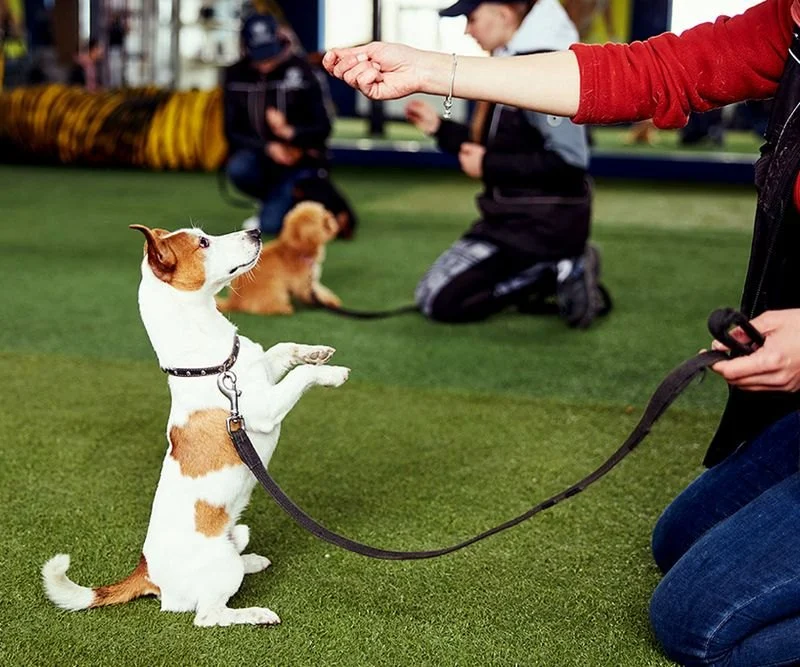
- why-early-behaviour-training-matters-for-puppies
- understanding-how-puppies-learn-and-develop-habits
- building-a-strong-training-foundation-at-home
- teaching-essential-obedience-skills-step-by-step
- solving-common-puppy-behaviour-problems
- real-training-story-from-a-first-time-dog-owner
- the-role-of-socialisation-in-puppy-behaviour-development
- tools-and-resources-that-support-successful-training
1. Why Early Behaviour Training Matters for Puppies
Bringing home a new puppy is an exciting experience, but it also comes with responsibility. Puppies are naturally curious, energetic, and eager to explore the world around them. Without guidance, however, this curiosity can easily turn into destructive behaviour such as chewing furniture, excessive barking, or ignoring commands.
Early behaviour training for puppies helps shape good habits during a crucial developmental stage. Much like young children, puppies absorb information quickly. The behaviours they learn in their first months often become lifelong habits. This is why many trainers recommend beginning structured training as soon as a puppy settles into its new home.
For pet owners in the UK, where dogs are often part of daily family life, proper training ensures that puppies grow into calm, confident companions. It also helps build trust between owner and dog, creating a relationship based on communication rather than frustration.

Vets for Pets - Hemsworth
HemsworthWest YorkshireEngland
Wakefield Rd, Hemsworth, Pontefract WF9 4AB, UK
2. Understanding How Puppies Learn and Develop Habits
Before starting any training programme, it is helpful to understand how puppies actually learn. Dogs do not respond to language in the same way humans do. Instead, they learn through association, repetition, and positive reinforcement.

2.1 The Importance of Timing
Puppies respond best when feedback happens immediately after a behaviour. If a puppy sits and receives praise or a treat within seconds, it quickly learns that sitting brings a positive outcome. Delayed responses often confuse young dogs.
2.2 Positive Reinforcement Over Punishment
Modern trainers widely agree that reward-based training produces the most reliable results. Rewarding good behaviour encourages puppies to repeat it, while harsh punishment can create fear or anxiety. Calm guidance and patience are far more effective in shaping behaviour.
2.3 Consistency in Training Routines
Consistency is another critical factor. If one family member allows a puppy to jump on the sofa while another discourages it, the puppy receives mixed signals. Clear household rules help puppies understand expectations more quickly.
3. Building a Strong Training Foundation at Home
Successful puppy behaviour training begins with a structured environment. Puppies thrive when their daily routines are predictable and supportive.
3.1 Creating a Comfortable Living Space
A designated sleeping and resting area helps puppies feel secure. Many trainers recommend crate training as a gentle way to provide a safe personal space where puppies can relax without distractions.
3.2 Establishing Daily Schedules
Regular feeding times, walks, play sessions, and rest periods help puppies understand the rhythm of daily life. Predictable schedules also make house training easier, as puppies learn when to expect bathroom breaks.
3.3 Encouraging Calm Behaviour
Excited greetings and constant stimulation can sometimes reinforce hyperactive behaviour. Teaching puppies to remain calm when meeting people or receiving attention helps create balanced behaviour patterns.
Many new pet owners explore trusted pet resources such as RegPets when searching for training tools, guidance, or quality pet products that support healthy puppy development.
4. Teaching Essential Obedience Skills Step by Step
Basic obedience commands form the backbone of behaviour training. These commands provide structure and allow owners to guide their puppies safely in everyday situations.
4.1 Teaching the “Sit” Command
1. Hold a treat close to the puppy’s nose.
2. Slowly move the treat upward, encouraging the puppy to follow it with their head.
3. As the puppy’s bottom touches the floor, say the command “sit” and reward immediately.
This simple exercise teaches puppies that responding to verbal cues results in positive rewards.
4.2 Practising the “Stay” Command
Once a puppy understands sitting, the next step is teaching patience. Begin by asking the puppy to sit, then hold your hand out as a signal and say “stay.” Start with just a few seconds before rewarding success.
4.3 Developing Reliable Recall
Recall training ensures a puppy returns when called. This skill is especially important for outdoor safety. Training should begin indoors with minimal distractions before gradually progressing to parks and open spaces.
5. Solving Common Puppy Behaviour Problems
Even well-trained puppies sometimes display challenging behaviours. Addressing these issues early prevents them from becoming long-term habits.
5.1 Excessive Chewing
Puppies explore the world with their mouths, which often leads to damaged furniture or shoes. Providing appropriate chew toys redirects this natural behaviour while protecting household items.
5.2 Jumping on People
Jumping often results from excitement and a desire for attention. Ignoring the behaviour and rewarding calm greetings helps puppies understand that polite behaviour gains more positive attention.
5.3 Barking for Attention
Some puppies quickly learn that barking brings immediate responses. Instead of reacting instantly, trainers recommend rewarding quiet behaviour and teaching alternative signals such as sitting calmly.
6. Real Training Story from a First-Time Dog Owner
A young couple in Manchester recently shared their experience online about raising their first puppy, a lively Labrador named Bailey. During the first few weeks, Bailey struggled with chewing and constant barking whenever the owners left the room.
Rather than becoming frustrated, the couple began following structured behaviour training techniques. They introduced short daily training sessions, reward-based reinforcement, and consistent routines.
Within two months, Bailey showed remarkable progress. The puppy responded reliably to commands and learned to remain calm when alone. Their story demonstrates how patience and proper training methods can transform early behavioural challenges into long-term success.
7. The Role of Socialisation in Puppy Behaviour Development
Behaviour training does not only involve obedience commands. Socialisation is equally important in shaping a confident and well-adjusted dog.
7.1 Introducing Puppies to New Environments
Gradual exposure to parks, streets, and public spaces helps puppies become comfortable in different environments. This reduces fear-based reactions later in life.
7.2 Meeting Other Dogs and People
Positive interactions with other dogs teach puppies appropriate communication skills. Friendly encounters also help prevent aggressive or anxious behaviour in adulthood.
7.3 Building Confidence Through Experience
Each new experience contributes to a puppy’s emotional development. Exposure to everyday sounds, travel, and different people helps create a well-balanced dog.
8. Tools and Resources That Support Successful Training
Training success often depends on having the right tools and reliable guidance. Items such as training treats, comfortable leads, and interactive toys can make learning more enjoyable for puppies.
In addition to equipment, educational resources play an important role. Many pet owners in the UK turn to trusted platforms such as RegPets when searching for helpful information, recommended products, and advice on raising healthy, well-behaved pets.
Behaviour training for puppies is not simply about teaching commands—it is about building communication, trust, and companionship. With patience, consistency, and positive reinforcement, even the most energetic puppy can grow into a loyal and well-mannered member of the family.




 Shanaghan Veterinary Services5.0 (2 reviews)
 Vets4Pets - Newcastle Kingston Park4.0 (255 reviews)
 Medivet 24 Hour Dearne Valley4.0 (269 reviews)
 Fresh paws4.0 (12 reviews)
 Pure Raw Treats4.0 (29 reviews)
 Rues Corner5.0 (1 reviews)
 Best Practices for Mental Health in Exotic Pets
 Expert Vet Advice on Preventive Care for Cats
 UK Pet Owner’s Guide to Adoption Guide for Guinea Pigs
 Dealing with Anxiety and Stress in Pets: Vet Advice on Managing Pet Stress
 What to Expect During Your Pet’s First Vet Visit
 Tips for Keeping Your Pet Hydrated and Healthy in the UK