
- 1-Why-Parasite-Prevention-Is-Important-for-Exotic-Pets
- 2-Common-Parasites-in-Exotic-Pets
- 3-Preventative-Measures-for-Exotic-Pet-Parasites
- 4-Diet-and-Hygiene-Tips-for-Exotic-Pets
- 5-How-to-Identify-Parasites-in-Your-Exotic-Pet
1. Why Parasite Prevention is Important for Exotic Pets
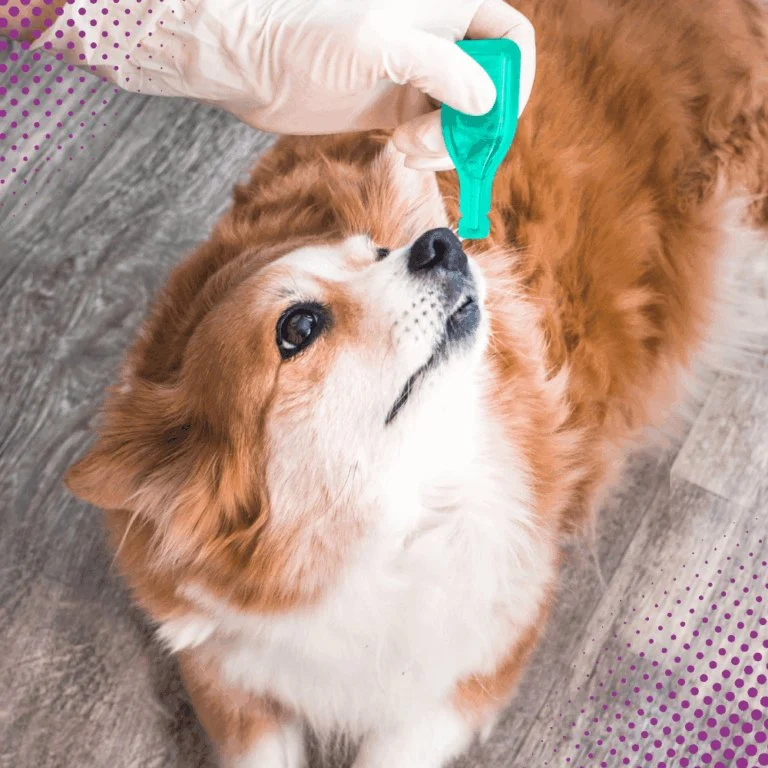
Exotic pets, from reptiles to birds, have unique care needs, and parasite prevention is a critical aspect of keeping them healthy. Unlike traditional pets like dogs or cats, exotic pets are often exposed to parasites from the wild or from different environments. These parasites can cause a range of health issues, from minor irritations to severe diseases that could threaten your pet’s life. In the UK, where weather conditions can vary dramatically, these risks are heightened, making parasite prevention even more essential.
Parasites, including worms, mites, ticks, and protozoa, can lead to infections, skin diseases, respiratory issues, and digestive problems in exotic pets. Keeping your pet parasite-free is a responsibility that not only improves their well-being but also ensures your home stays safe from potential contamination. Prevention is always easier and less costly than treating an infestation.
2. Common Parasites in Exotic Pets
Exotic pets are susceptible to a variety of parasites, each requiring specific treatment and prevention strategies. Here are some of the most common parasites found in exotic pets:
2.1 Internal Parasites
Internal parasites like worms (roundworms, tapeworms) are common in reptiles and birds. These parasites often cause digestive issues, weight loss, and lethargy. In severe cases, they can lead to malnutrition or even death.
2.2 External Parasites
External parasites such as mites, ticks, and fleas can cause itching, hair loss, and skin infections. These parasites often affect reptiles and birds, who might be more susceptible due to their living environments, such as terrariums and aviaries.
2.3 Protozoan Parasites
Protozoan parasites, like coccidia, are particularly common in amphibians and reptiles. These parasites can cause diarrhoea, dehydration, and other gastrointestinal issues. They often require medication and a clean environment to prevent reinfection.
3. Preventative Measures for Exotic Pet Parasites
Preventing parasites in your exotic pet requires a multi-faceted approach that combines proper care, hygiene, and monitoring. Here are some key preventative measures that UK pet owners should follow:
3.1 Regular Vet Checkups
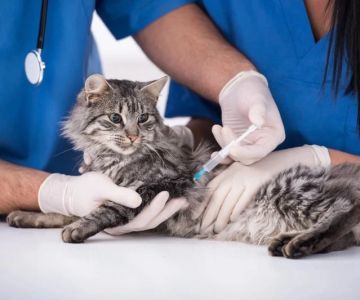
Frequent veterinary visits are essential for exotic pets. A vet experienced with exotic species can carry out regular health checks, including stool tests for internal parasites. This ensures early detection and treatment if any parasites are found. Regular health check-ups also help to monitor the overall well-being of your pet.
3.2 Quarantine New Pets
If you introduce a new pet into your household, it’s important to quarantine them for a few weeks. This helps prevent the spread of parasites from one animal to another. A separate enclosure will allow you to monitor your new pet for signs of parasites before they interact with your other animals.
3.3 Use Safe Parasite Treatments
There are various parasite treatments available, depending on the type of pet and parasite. In the UK, it's essential to choose treatments that are safe and suitable for the specific exotic species you own. Always consult with a vet before using any anti-parasitic medications, as improper use can harm your pet.
4. Diet and Hygiene Tips for Exotic Pets
In addition to medical treatments, a good diet and proper hygiene practices can go a long way in preventing parasite infestations in exotic pets. Here are some tips that every UK exotic pet owner should know:
4.1 Provide a Balanced Diet
Feeding your exotic pet a well-balanced diet tailored to their specific species is vital. Nutritional deficiencies can weaken your pet’s immune system, making them more susceptible to parasites. Fresh fruits, vegetables, and appropriate protein sources should be included in their diet to support their health and immunity.
4.2 Maintain a Clean Enclosure
A clean living space is essential to keep parasites at bay. Regularly clean your pet’s enclosure, including changing bedding, wiping down surfaces, and disinfecting food and water containers. For reptiles and amphibians, ensure that their tanks are properly cleaned and that their heating and humidity levels are regularly monitored.
4.3 Avoid Overcrowding
Overcrowding can lead to stress in exotic pets, which in turn can make them more vulnerable to parasites. Ensure your pet has enough space to move around comfortably and that they are not sharing an enclosure with too many animals. This also helps prevent the spread of parasites between animals.
5. How to Identify Parasites in Your Exotic Pet
Recognising the signs of parasites early can help you address the problem before it gets worse. Here’s how to identify common parasite symptoms in exotic pets:
5.1 Behavioural Changes
If your pet becomes lethargic, stops eating, or shows signs of stress, it could be suffering from a parasite infestation. Unexplained weight loss or changes in appetite should always prompt a visit to the vet.
5.2 Physical Symptoms
Visible signs like scratching, hair loss, or skin lesions can indicate the presence of external parasites like mites or fleas. For internal parasites, look out for signs of vomiting, diarrhoea, or abnormal feces. In reptiles, abnormal shedding or signs of discomfort can also be signs of internal parasites.
5.3 Stool Changes
Changes in your pet’s stool, such as blood or mucus, can be a sign of internal parasites. Consistent, unusual stool patterns should be monitored closely, and a stool sample should be tested for parasites.
By taking proactive steps in parasite prevention, UK exotic pet owners can ensure that their pets live a long and healthy life. Regular check-ups, good hygiene practices, and providing a balanced diet are all essential components of a solid parasite prevention plan. For the best products and expert advice on exotic pet care, visit RegPets for reliable solutions tailored to your pet’s needs.



 The Red House Luxury Boarding Cattery and Kennels4.0 (45 reviews)
 THE KOI POND5.0 (4 reviews)
 Capon Tree Veterinary Centre4.0 (61 reviews)
 Alnorthumbria Veterinary Group - Ponteland4.0 (93 reviews)
 Westway Veterinary Group, Salters4.0 (39 reviews)
 Pets at Home Cleethorpes4.0 (395 reviews)
 Vet-Approved Behaviour Training for Birds
 Travel Safety Explained: Keeping Your Cats Healthy in the UK
 Emergency Vet Advice Explained: Keeping Your Dogs Healthy in the UK
 How to Spot Signs of Arthritis in Older Pets
 Top 10 Signs Your Pet Needs to See a Vet Immediately
 The Importance of Nutrition Tips for Puppies – UK Edition