
- 1. Understanding Exotic Pets
- 2. Legal Regulations for Adopting Exotic Pets in the UK
- 3. Choosing the Right Exotic Pet for You
- 4. Preparing Your Home for an Exotic Pet
- 5. Finding Reliable Breeders and Shelters
- 6. Adoption Costs and Fees
- 7. Daily Care and Health Maintenance
- 8. Handling Exotic Pet Behavior
- 9. Exotic Pet Veterinary Care
- 10. Where to Find Exotic Pet Products at RegPets
1. Understanding Exotic Pets
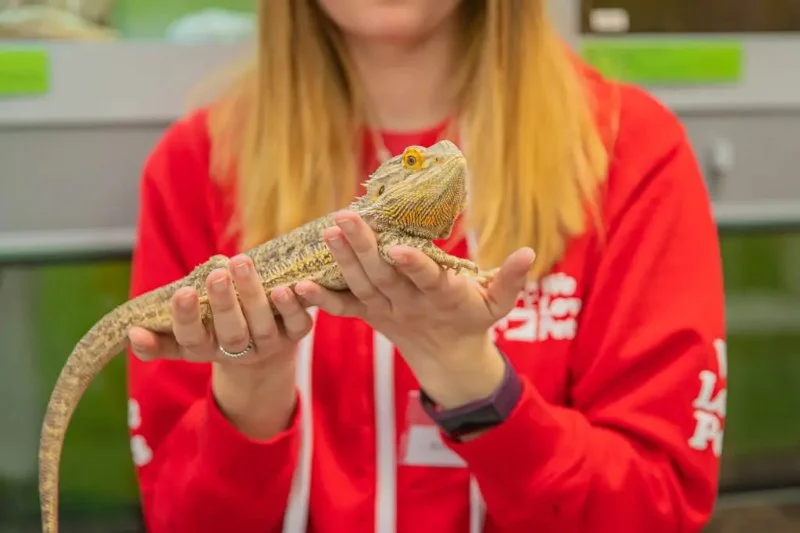
Adopting an exotic pet is an exciting venture, but it comes with unique challenges. Exotic pets can range from reptiles and birds to small mammals and amphibians. Understanding the needs, behaviors, and environment of these animals is key to providing them with a happy and healthy life.
Exotic pets are often more sensitive to environmental changes and require special care compared to common pets like dogs and cats. Before adopting, it's essential to research the species thoroughly to ensure you're prepared to meet their specific requirements.

2. Legal Regulations for Adopting Exotic Pets in the UK
The UK has strict regulations governing the ownership of exotic pets. It is essential to familiarize yourself with the legalities to avoid fines or legal troubles. Exotic pet ownership may require specific permits or licenses, depending on the species.
Make sure to check if the species you’re interested in adopting is legal to own and whether there are any special restrictions. The UK government’s DEFRA (Department for Environment, Food & Rural Affairs) provides detailed guidelines on the importation and care of exotic animals. Additionally, certain species may be prohibited, so it’s important to stay informed about these regulations.

3. Choosing the Right Exotic Pet for You
Choosing the right exotic pet is crucial to ensure both you and the pet have a rewarding experience. Exotic pets require time, attention, and specific care, so it’s important to select a species that fits your lifestyle. Consider the following:
- Size and Space Requirements: Larger animals like iguanas or parrots need ample space to move around and live comfortably, while smaller species like hamsters or reptiles may require less space.
- Dietary Needs: Some exotic pets have very specific dietary requirements, such as insects for reptiles or specialized seeds for birds. Understanding their diet is essential for their health.
- Longevity: Exotic pets can live for many years, so ensure that you're prepared for a long-term commitment. Some species, like tortoises, can live up to 100 years!
4. Preparing Your Home for an Exotic Pet
Before bringing your exotic pet home, make sure your environment is ready. Each species has unique habitat needs, so you’ll need to set up the proper space for them to thrive. Consider the following tips:
- Temperature and Humidity Control: Many exotic pets, especially reptiles and amphibians, require specific temperature and humidity levels. Investing in temperature and humidity gauges, as well as heating lamps, may be necessary.
- Safe Enclosures: Ensure the enclosure is escape-proof, secure, and large enough for your pet to move freely. Use materials that allow for proper ventilation.
- Enrichment Items: Provide toys, climbing structures, or hiding spots that will keep your exotic pet mentally stimulated and physically active.
5. Finding Reliable Breeders and Shelters
Finding a reputable breeder or shelter is crucial to ensure the health and well-being of your future exotic pet. Choose breeders who prioritize the health of their animals and provide proper documentation about the pet’s history, diet, and care requirements. Shelters are also a great option if you’re looking to adopt an animal in need of a home.
Visit the breeding facilities or shelters to inspect the conditions and ask questions about the care the animals have received. It's important to verify the pet’s health status before bringing them home.
6. Adoption Costs and Fees
Adopting an exotic pet involves not only the initial adoption fee but also ongoing costs for food, habitat setup, veterinary care, and other maintenance needs. Some exotic pets may require specialized care, which can increase their overall cost.
Be sure to budget for the costs of essential items like food, toys, lighting, and heating systems. Additionally, consider the cost of any veterinary care specific to exotic pets.
7. Daily Care and Health Maintenance
Exotic pets often require daily attention and care to maintain their health and happiness. Regular cleaning of their enclosures, providing fresh food and water, and observing their behavior are all essential aspects of pet care.
Regularly check for signs of illness, such as changes in appetite, behavior, or droppings. Early detection of health issues can prevent more serious problems down the line.
8. Handling Exotic Pet Behavior
Understanding and handling your exotic pet’s behavior is key to a harmonious relationship. Many exotic pets have distinct behavior patterns that may be different from traditional pets. For instance, some birds might become territorial or nippy if not handled properly, while reptiles may show signs of stress if they feel threatened.
Learn the signs of stress or discomfort and create an environment that promotes trust and security. Patience and gentle handling are essential when bonding with your exotic pet.
9. Exotic Pet Veterinary Care
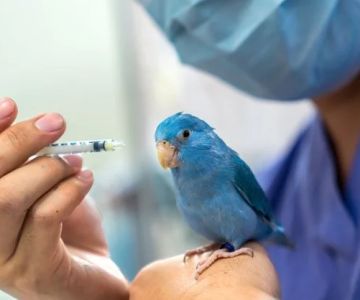
Just like any other pet, exotic animals require regular veterinary care. Finding a vet with experience in treating exotic species is essential to ensure your pet’s health and well-being.
Regular check-ups, vaccinations, and health screenings are important to prevent illness. Be sure to establish a relationship with a qualified exotic animal vet and ask about any special care requirements for your pet.
10. Where to Find Exotic Pet Products at RegPets
At RegPets, we understand the unique needs of exotic pets. From food and enclosures to enrichment products and health care supplies, we offer a wide range of products designed specifically for exotic pet owners in the UK. Visit our website today to find the best products to keep your exotic pet healthy and happy.




 Pets at Home Cardiff Ty Glas4.0 (403 reviews)
 Abbey Veterinary Centre - Chester le Street4.0 (306 reviews)
 Posh Petz4.0 (149 reviews)
 Family Tree Pet Supplies5.0 (31 reviews)
 The Cats Pyjamas5.0 (9 reviews)
 B.Aquatic4.0 (125 reviews)
 UK Pet Owner’s Guide to Common Illnesses for Puppies
 How to Choose the Right First Aid Tips for Fish in the UK
 Essential Tips for Caring for Senior Pets: Best Practices for Pet Owners
 The Role of Regular Blood Tests in Monitoring Pet Health in the UK
 Top 10 Behaviour Training Every Guinea Pigs Owner in the UK Should Know
 What to Expect During Your Pet’s First Vet Visit: A Comprehensive Guide