
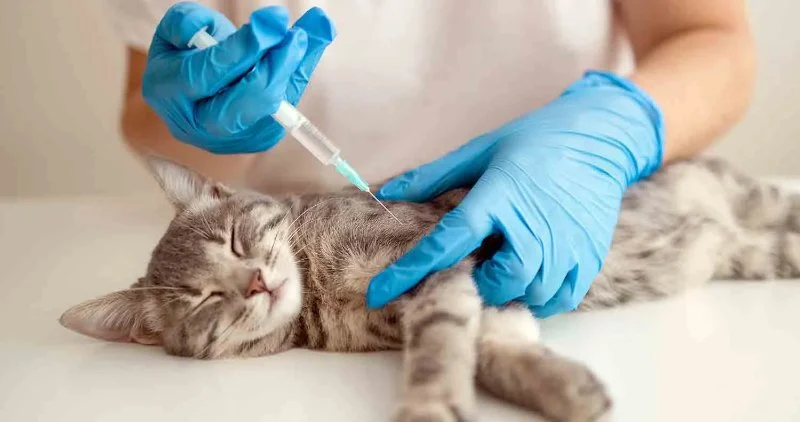
- 1 - Understanding Vaccinations for Cats
- 2 - Why Are Vaccines Important for Cats?
- 3 - Vaccination Schedule for Cats in the UK
- 4 - Common Vaccines for Cats
- 5 - After Vaccination: Care for Your Cat
1. Understanding Vaccinations for Cats
As a responsible cat owner in the UK, one of the best ways to ensure your cat’s health is through vaccinations. Vaccines help to protect your pet from serious diseases that can cause discomfort, severe illness, or even death. But understanding the different types of vaccines available and when to give them is crucial for your cat's long-term well-being.
Vaccinations work by stimulating your cat's immune system to recognize and fight off specific viruses or bacteria. By doing so, vaccines reduce the risk of your cat contracting infectious diseases, allowing them to live a healthier and longer life.

2. Why Are Vaccines Important for Cats?
Vaccines are vital for protecting your cat from common and potentially fatal diseases. Here’s why:

Penrose Farm Cattery
Newton upon DerwentEast Riding of YorkshireEngland
Penrose Farm, Main Street, Newton upon Derwent, York YO41 4DA, UK
2.1 Preventing Infectious Diseases
Vaccines prevent the spread of infectious diseases that can affect your cat and other pets in the community. Diseases like feline panleukopenia, feline herpesvirus, and rabies can be deadly, but vaccinations offer effective protection.
2.2 Protecting Your Pet's Health
Vaccinating your cat not only prevents dangerous diseases but also ensures their general health and well-being. Regular vaccinations keep your pet safe from diseases that can impact their quality of life.
2.3 Compliance with Regulations
In the UK, certain vaccinations are required by law, especially for cats that travel abroad or interact with other animals in public spaces. By keeping your cat's vaccinations up to date, you can avoid legal issues and ensure your cat remains healthy and protected.
3. Vaccination Schedule for Cats in the UK
The vaccination schedule for cats in the UK is designed to ensure that they are protected from a wide range of infectious diseases at the right stages of their life. Here’s a typical vaccination schedule:
3.1 Kitten Vaccination
Kittens are usually vaccinated at 8, 12, and 16 weeks old. The first vaccine dose typically includes the core vaccines to protect against diseases like feline distemper and feline herpesvirus. The second dose boosts their immunity, ensuring long-term protection.
3.2 Adult Cat Vaccination
Once your cat reaches adulthood (around 1 year old), they will need booster vaccinations every 1-3 years depending on the type of vaccine and your vet’s recommendation. These boosters help maintain immunity against diseases like feline calicivirus and rabies.
3.3 Special Considerations for Senior Cats
Older cats may require special consideration when it comes to vaccinations. Some vaccines may be administered less frequently, while others may be recommended more often, depending on your cat’s health and lifestyle. It's important to consult with your vet to adjust the vaccination schedule as your cat ages.
4. Common Vaccines for Cats
There are several vaccines available for cats in the UK. Some are considered "core" vaccines, meaning they are recommended for all cats, while others may be "non-core" vaccines, given based on your cat’s lifestyle and risk factors. Here are some of the most common ones:
4.1 Feline Distemper (Panleukopenia)
Feline distemper is a highly contagious and often fatal disease that affects a cat’s gastrointestinal and immune system. It’s one of the core vaccines, administered as part of the initial kitten vaccination series and then boosted in adulthood.
4.2 Feline Herpesvirus (Rhinotracheitis)
This virus is responsible for upper respiratory infections in cats. The vaccine is commonly given as part of the FVRCP (Feline Viral Rhinotracheitis, Calicivirus, and Panleukopenia) combination vaccine.
4.3 Rabies
Rabies is a fatal viral infection that affects the nervous system. While not as common in cats in the UK, the rabies vaccine is required for cats that will be traveling internationally. It’s also a core vaccine in many countries.
4.4 Feline Leukaemia Virus (FeLV)
The FeLV vaccine is recommended for cats that go outdoors or live in multi-cat households where the virus may be present. It protects against a virus that can cause cancer and immune suppression.
5. After Vaccination: Care for Your Cat
After your cat receives their vaccination, it’s important to monitor their health and well-being. Here are a few things to keep in mind:
5.1 Post-Vaccination Reactions
It’s common for cats to experience mild side effects after vaccinations, such as a slight fever, loss of appetite, or lethargy. These symptoms usually resolve within a day or two. However, if your cat shows signs of severe reactions, such as vomiting or difficulty breathing, contact your vet immediately.
5.2 Provide Comfort
Ensure your cat has a quiet, comfortable place to rest after their vaccination. Keep them indoors and avoid any stressful situations that could aggravate any mild discomfort.
5.3 Maintain Regular Vet Checkups
In addition to vaccinations, regular vet checkups are crucial to monitor your cat's overall health. This is the perfect time to discuss any concerns you may have regarding your cat’s well-being, including their vaccinations and any adjustments that might be needed as they age.
By following this vaccination guide and keeping your cat's immunizations up to date, you ensure they stay healthy, safe, and well-protected throughout their life. For more information on cat vaccinations, or to book an appointment with a trusted vet, visit RegPets to find the best products and services for your feline friend.



 Vet On The Corner4.0 (98 reviews)
 Maidenhead Aquatics Preston4.0 (418 reviews)
 Veterinary Vision5.0 (52 reviews)
 South Elmsall Pets Ltd5.0 (19 reviews)
 Hop Inn4.0 (58 reviews)
 Carter's Aquatics & Pets4.0 (39 reviews)
 The Role of Regular Blood Tests in Monitoring Pet Health in the UK
 Expert Vet Advice on Health Checkups for Fish: Keep Your Aquarium Healthy | RegPets
 How to Spot Signs of Arthritis in Older Pets: Key Indicators and Care Tips
 Best Practices for Dental Care in Fish
 Essential Tips for Caring for Senior Pets: A Complete Guide for Pet Owners
 Allergy Care Explained: Keeping Your Hamsters Healthy in the UK