
Pet Emergency Contact Sheet: Build It Before You Need It
On this page
Quick answer
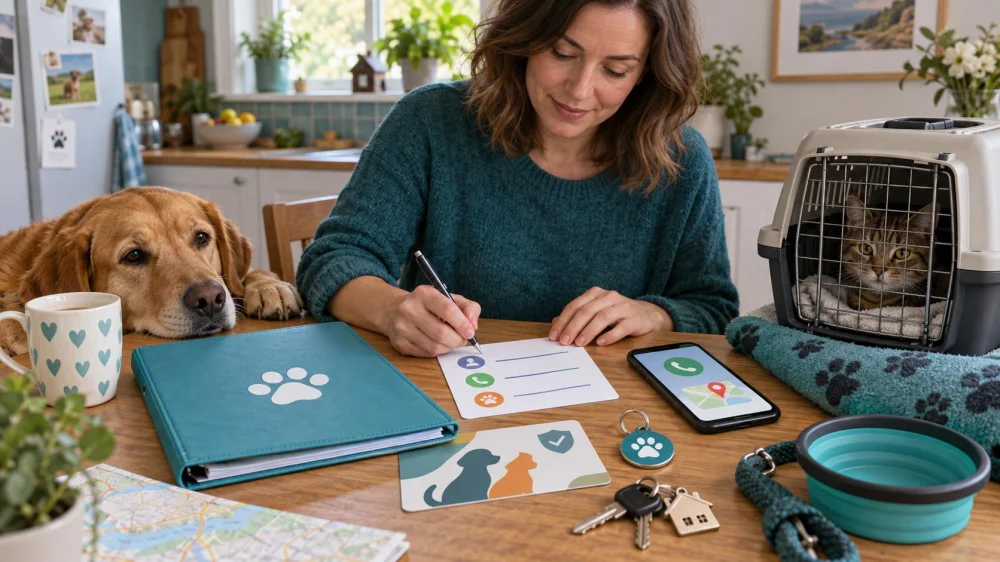
Create a one-page sheet with your regular vet, their out-of-hours provider, the emergency clinic address, safe transport options, your pet’s identification, medicines, major conditions, insurance details, and an authorised backup decision-maker. Save it on two phones and keep a paper copy with the carrier. Confirm every number and route before an emergency occurs.
List the right contacts
Start with the veterinary practice where your pet is registered. Ask exactly how emergency cover works outside normal hours, because another practice or dedicated emergency clinic may provide it. Record the phone number, address, entrance instructions, and when you must call before travelling.
- Regular veterinary practice and daytime number.
- Out-of-hours provider and direct emergency number.
- Nearest alternative emergency provider for travel or closure.
- Pet insurer’s claims or emergency-assistance line.
- Microchip database contact and account route.
- Trusted person authorised to help or make agreed decisions.
The Royal College of Veterinary Surgeons advises UK owners to check their practice’s out-of-hours arrangements, save the emergency number and address, plan transport, and keep microchip and insurance information ready.

Mantis N.I
LurganArmagh City, Banbridge and CraigavonNorthern Ireland
21 Union St, Lurgan, Craigavon BT66 8DY, UK
Record pet and health details
Use one sheet per pet. Include a clear recent photograph, name, species, breed or description, sex, date of birth or age, colour, weight, microchip number, and usual vet. Add current medicines with exact strength and dose, significant diagnoses, allergies or past reactions, recent procedures, and relevant handling needs.
Keep the sheet brief. It should help a veterinary team identify the animal and locate records, not replace the full clinical history. Add the date you last verified the information so nobody mistakes an old list for a current one.
Plan transport and access
For most small animals, owners usually need to travel to the emergency provider. Identify a vehicle, friend, pet taxi, or animal ambulance that operates when your usual transport is unavailable. Check whether the service accepts your animal’s size and species and whether advance registration is needed.
- Keep a suitable carrier, lead, towel, and muzzle if recommended and safely tolerated.
- Know how to reach the clinic at night and where to park.
- Plan for stairs, mobility needs, a large dog, or multiple animals.
- Store the carrier where it can be reached quickly.
- Never delay an emergency call while trying to complete paperwork.
Call the veterinary provider for handling advice when an injured or distressed animal may bite, struggle, or worsen during movement.
Store and share the sheet
Keep a paper copy near the pet carrier and an offline copy on your phone. Share it with household members, regular pet sitters, and the authorised backup person. A sitter should know where the animal is likely to hide, how to use the carrier, and who can approve treatment or payment if you cannot be reached.
Protect privacy: include only what is useful in an emergency, and do not leave full payment-card details or account passwords on the sheet. Use a secure way to share insurer or veterinary portal access.
Review after every change
Check the sheet at least every few months and after a move, change of vet, new medicine, diagnosis, insurance renewal, microchip update, or change in the pet’s carer. Call each important number and check the route. Practice locating the carrier and documents without creating stress for the pet.
When travelling, add the nearest emergency provider at the destination and bring enough current medicine in its labelled container. Ask your own vet what records may be useful away from home.
Frequently asked questions
Will my usual vet always treat the emergency?
Not necessarily. UK practices may arrange cover through another practice or emergency clinic. Confirm the current provider and location.
Can an emergency clinic help if I am not registered?
RCVS says emergency services should provide first aid and pain relief even to non-registered clients, though arrangements and priorities can differ.
Should I list every past illness?
Keep the one-page sheet focused on current medicines, major conditions, allergies, recent procedures, and where full records can be obtained.
What if cost is a concern?
Tell the veterinary team promptly and discuss estimates, payment, and prioritisation, but do not delay contacting them for an animal in distress.
Is a phone copy enough?
Keep an offline phone copy and paper backup in case the battery, signal, or account access fails.
Conclusion and next steps
Call your practice today, verify its out-of-hours route, and fill one page per pet. Add current health details, transport, insurance, microchip information, and a backup carer. Place copies where the people who may need them can find them quickly, then set a date to review the sheet.
Evidence note: This planning guide uses the Royal College of Veterinary Surgeons’ current advice on emergency and out-of-hours care. It does not provide first-aid instructions or replace prompt veterinary advice.




 Crooks Veterinary Surgeons4.0 (251 reviews)
 The Tickhill Scratching Post5.0 (23 reviews)
 Gortlands Veterinary Clinic4.0 (590 reviews)
 Wild Bird Food Shop Northern Ireland & Garden Fireworks4.0 (33 reviews)
 Cross Counties Farm Vets - Welford0.0 (0 reviews)
 Medivet Netherfield4.0 (133 reviews)
 How to Choose the Right First Aid Tips for Fish in the UK
 Dealing with Anxiety and Stress in Pets: Vet Advice on Managing Pet Stress
 Pet Ear Scratching or Head Shaking: Call Your UK Vet
 Expert Vet Advice on Nutrition Tips for Birds
 Can Guinea Pigs Eat Corn Husks? Safe Fibrous Treat Guide for Small Pets
 Pet Dental Care: Why Regular Vet Visits Matter for UK Pets