
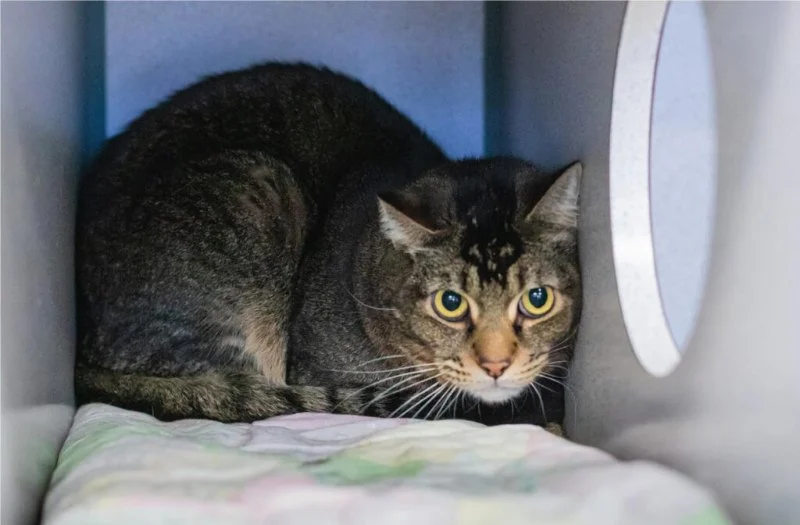
1. Understanding Anxiety and Stress in Pets
Just like humans, pets can experience anxiety and stress. Whether it's a new environment, separation from their owner, or loud noises, pets often struggle to cope with stressful situations. In the UK, pet owners should be aware of the signs of anxiety in pets and take proactive steps to manage their pet's stress levels. This article will provide expert vet advice on how to deal with anxiety and stress in pets, ensuring your pet remains healthy and happy.

1.1. Common Causes of Stress and Anxiety in Pets
Pets can become stressed or anxious for various reasons. Some of the most common causes of stress and anxiety in pets include:
- Changes in Environment: Moving to a new home or changes in routine can unsettle pets.
- Separation Anxiety: Pets, especially dogs, can experience anxiety when left alone for long periods.
- Loud Noises: Thunderstorms, fireworks, or even loud household sounds can trigger anxiety in pets.
- Medical Conditions: Pain or illness can cause pets to become anxious or withdrawn.
- Social Anxiety: Some pets feel stressed when interacting with other animals or strangers.
1.2. Signs Your Pet Might Be Stressed
Pets can’t tell us when they are stressed, but they show signs through their behavior. Common signs of stress in pets include:
- Excessive Barking or Meowing: Vocalizing more than usual can indicate stress.
- Destructive Behavior: Chewing furniture, scratching, or digging can be a coping mechanism for stress.
- Loss of Appetite: Pets may stop eating when they are stressed or anxious.
- Excessive Grooming: Over-grooming or licking is a sign of anxiety in some pets.
- Changes in Sleeping Patterns: Pets may become restless or sleep more than usual when stressed.
2. Vet Advice: Managing Anxiety and Stress in Pets
If your pet is showing signs of anxiety or stress, it’s important to take steps to help them feel more at ease. Vet advice is key in understanding your pet's needs and determining the best course of action. Here’s how you can manage your pet's anxiety and stress effectively:
Penrose Farm Cattery
Newton upon DerwentEast Riding of YorkshireEngland
Penrose Farm, Main Street, Newton upon Derwent, York YO41 4DA, UK
2.1. Create a Calm and Consistent Environment
Consistency and routine are crucial when managing stress in pets. Try to keep your pet's environment as stable as possible. Here are some tips for creating a calming space for your pet:
- Maintain a Regular Schedule: Feed, walk, and play with your pet at consistent times each day.
- Provide a Safe Space: Set up a quiet area where your pet can retreat to when they feel overwhelmed.
- Avoid Sudden Changes: If you’re moving or making changes at home, do so gradually to avoid overwhelming your pet.
2.2. Use Calming Products
There are various calming products available in the UK to help ease your pet's anxiety. These products work by providing a sense of security and relaxation. Some options include:
- Calming Collars: Products like Adaptil and Calmex can help reduce anxiety in dogs and cats by releasing pheromones that mimic calming signals.
- Calming Treats: Treats that contain ingredients like chamomile, valerian root, or CBD oil can help soothe anxious pets.
- Thundershirts: These snug garments apply gentle pressure, providing comfort to pets during stressful situations like storms or fireworks.
2.3. Consult with Your Veterinarian
If your pet’s anxiety or stress is persistent or severe, it’s important to consult with your veterinarian. They can help identify any underlying medical conditions and may recommend medication to help manage your pet's anxiety. Your vet can also provide advice on behavioral therapy or refer you to a pet behaviorist if necessary.
3. Training and Behavioral Techniques for Stress Management
In addition to environmental changes and calming products, there are several training and behavioral techniques that can help manage your pet's stress. These methods are particularly effective in treating anxiety caused by separation or social situations.
3.1. Desensitization and Counter-Conditioning
Desensitization involves gradually exposing your pet to the source of their stress in a controlled manner, helping them to become less sensitive over time. Counter-conditioning is a technique where you pair a stressful situation with something positive, like treats, to change how your pet reacts. For example, if your pet is anxious about being left alone, you can start by leaving them alone for short periods and gradually increasing the duration while offering them treats.
3.2. Positive Reinforcement
Rewarding your pet for calm behavior is an effective way to encourage them to stay relaxed. Use treats or praise to reinforce positive actions, such as remaining calm during a stressful event or when meeting new people. This can help build your pet's confidence and reduce anxiety over time.
3.3. Exercise and Mental Stimulation
Physical activity and mental challenges can significantly reduce anxiety in pets. Regular exercise helps burn off excess energy and reduces stress, while puzzle toys and interactive games keep their minds engaged. Both mental and physical stimulation are important for your pet’s overall well-being and can help manage anxiety effectively.
4. Real-life Cases: Managing Pet Anxiety with Vet Advice
Many pet owners in the UK have successfully managed their pets' anxiety and stress with the help of vet advice. Here are some real-life examples:
4.1. Max’s Separation Anxiety
Max, a 5-year-old Border Collie, had severe separation anxiety whenever his owner left the house. His behavior included barking excessively and chewing furniture. After consulting with a vet, Max’s owner started using calming treats and desensitization training. Over time, Max became more comfortable with short departures, and his anxiety decreased significantly. This case shows the effectiveness of combining professional advice with calming products and training.
4.2. Bella’s Fear of Loud Noises
Bella, a 3-year-old rescue dog, had a severe fear of thunderstorms, often hiding under furniture or trembling during storms. Her vet recommended a Thundershirt, along with desensitization exercises. Over time, Bella became less fearful, and her behavior improved during stormy weather. This story highlights the power of using a combination of calming products and behavioral techniques to manage pet stress.
5. How RegPets Can Help with Pet Stress Management
At RegPets, we offer a wide range of products that can help alleviate anxiety and stress in pets. From calming collars and treats to Thundershirts and interactive toys, we have everything you need to help your pet feel more relaxed. Browse our selection of stress relief products today and ensure your pet’s well-being with the best in pet care.

 Gone Barking5.0 (7 reviews)
 Peejay Pet Superstore Ltd4.0 (1173 reviews)
 Sheerbliss Cattery5.0 (19 reviews)
 Calcaria Veterinary Practice4.0 (90 reviews)
 Crookedstone Cattery0.0 (0 reviews)
 Apisto Aquatics5.0 (25 reviews)
 Top 10 Behaviour Training Every Reptile Owner in the UK Should Know
 Common Vaccination Myths Debunked by UK Vets
 How to Handle Emergency Situations with Your Pet | Pet Safety Tips
 Complete Guide to Nutrition Tips for Hamsters: What Your Pet Needs to Stay Healthy
 Dealing with Anxiety and Stress in Pets: Vet Advice for UK Pet Owners
 Top 10 Behaviour Training Every Guinea Pig Owner in the UK Should Know