
- The Importance of Proper Nutrition for Birds
- Types of Food Your Bird Needs
- How to Feed Your Pet Bird Correctly
- Top Bird Diet Tips from Expert Vets
- Common Mistakes in Bird Feeding
- RegPets: Finding the Best Bird Food and Products
The Importance of Proper Nutrition for Birds
Proper nutrition is key to maintaining the health and vitality of your bird. As a pet owner in the UK, it’s important to understand the specific dietary needs of your bird, as they can vary significantly depending on species, size, and age. Expert vets emphasize the importance of a balanced diet to support a bird’s overall well-being, including strong feathers, energy, and a long lifespan.
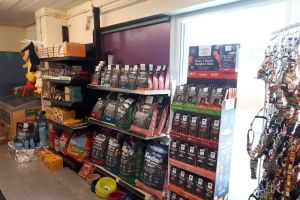
super pet supplies
Lytham St AnnesLancashireEngland
174 Heeley Rd, Lytham St Annes, Lytham Saint Annes FY8 2HR, UK
Types of Food Your Bird Needs
Birds require a mix of fresh food and high-quality commercial bird food to meet their nutritional needs. Here are the main types of food to include in your bird’s diet:

1. Seeds and Pellets
Many birds enjoy seeds, but they should not form the entirety of their diet. A mix of seeds and pellets provides balanced nutrition. Pellets are often recommended by vets because they contain all the essential vitamins and minerals your bird needs.
2. Fresh Fruits and Vegetables
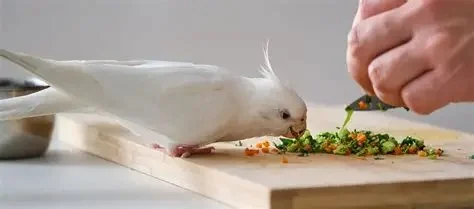
Fresh produce like apples, carrots, and spinach can provide your bird with essential vitamins, antioxidants, and fiber. Be sure to wash fruits and vegetables thoroughly and remove any seeds that may be harmful to your pet.
3. Proteins and Nuts
Birds also require protein in their diet. Offer them small amounts of cooked eggs, chickpeas, or insects. Nuts like almonds and walnuts provide healthy fats but should be given in moderation due to their high-calorie content.
How to Feed Your Pet Bird Correctly
Feeding your bird the right amount at the right times is important for their health. Here are some key tips for feeding your pet bird:
1. Create a Balanced Diet
Ensure that your bird’s diet consists of a variety of foods, including seeds, pellets, fresh fruits, and vegetables. Try to mimic their natural diet, as this will help prevent malnutrition and promote a long, healthy life.
2. Adjust Portion Sizes
The amount of food your bird needs will depend on its species, age, and activity level. Adjust portion sizes accordingly to maintain a healthy weight. Your vet can help determine the ideal portion size for your pet bird.
3. Provide Fresh Water
Always provide fresh water for your bird. Water is essential for digestion, hydration, and overall health. Make sure their water bowl is clean and changed regularly to prevent bacteria build-up.
Top Bird Diet Tips from Expert Vets
Vets often provide helpful advice to ensure birds receive the nutrition they need. Here are some tips to make feeding your bird easier and more effective:
1. Diversify Your Bird’s Diet
Birds enjoy variety, and offering a mix of seeds, pellets, fruits, and vegetables can make feeding time more enjoyable and nutritionally complete. Try rotating the types of food to ensure they get a broad spectrum of nutrients.
2. Monitor Weight and Health Regularly
Regular check-ups with your vet will help you keep track of your bird’s health and weight. Sudden weight loss or gain can indicate a nutritional imbalance or health problem.
3. Avoid Toxic Foods
Some foods are toxic to birds, including chocolate, avocado, onions, and caffeine. Be sure to research and avoid feeding these dangerous foods to your pet bird.
Common Mistakes in Bird Feeding
Even experienced bird owners can sometimes make mistakes when it comes to feeding their birds. Here are some of the most common mistakes to avoid:
1. Overfeeding Seeds
While seeds are an important part of a bird’s diet, they shouldn’t be the only food provided. Too many seeds, especially sunflower seeds, can lead to obesity and other health issues. Mix them with pellets and fresh foods for balance.
2. Not Providing Enough Variety
Feeding your bird only one type of food can lead to nutritional deficiencies. Provide a variety of fresh foods to ensure your bird gets all the nutrients it needs.
3. Ignoring Water Quality
Dirty water can cause digestive and health problems in birds. Make sure their water is clean, fresh, and changed daily to maintain their hydration and overall health.
RegPets: Finding the Best Bird Food and Products
For the best bird food and products in the UK, check out RegPets. We offer a wide selection of high-quality bird food, including organic pellets, seeds, and fresh food options. Our products are designed to meet the nutritional needs of all bird species, ensuring your pet bird remains healthy and happy.
 The Beacon Veterinary Centre4.0 (32 reviews)
 Kingston Veterinary Group4.0 (201 reviews)
 Ash Tree Vets, Market Harborough4.0 (206 reviews)
 Corby Veterinary Surgery4.0 (192 reviews)
 Paragon Veterinary Group4.0 (186 reviews)
 Beechwood Veterinary Group, Chapel Allerton4.0 (105 reviews)
 Best Practices for Guinea Pig Adoption Guide
 Travel Safety Tips for Senior Pets: What UK Pet Owners Need to Know
 Top 10 Travel Safety Every Fish Owner in the UK Should Know
 Vaccination Guide Tips for Guinea Pigs: What UK Pet Owners Need to Know
 How to Manage Your Pet’s Weight and Prevent Obesity: A Complete Guide
 UK Pet Owner’s Guide to Adoption for Reptiles