
- understanding-pet-dental-health
- why-regular-vet-checks-are-essential-for-dental-care
- signs-of-dental-problems-you-shouldnt-ignore
- real-uk-stories-of-dental-health-turnarounds
- maintaining-your-pets-dental-health-at-home
- finding-the-right-dental-products-and-services
1. Understanding Pet Dental Health
When it comes to our pets' overall wellbeing, dental health is often overlooked. Yet, poor oral hygiene is one of the most common and preventable health issues in both cats and dogs in the UK. Dental diseases, including gingivitis, periodontitis, and tooth decay, don’t just affect your pet’s mouth—they can also impact their organs and immune system if left untreated.
In the UK, studies show that up to 80% of dogs over the age of three suffer from some form of dental disease. That figure is alarmingly high and points to a widespread lack of awareness about the importance of dental care. It’s not just about fresh breath; it’s about protecting your pet’s long-term health and comfort.
2. Why Regular Vet Checks Are Essential for Dental Care
2.1 Early Detection Prevents Pain and Expense
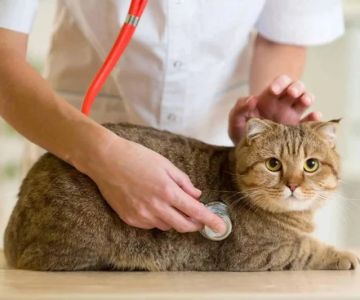
Regular dental check-ups at your vet help identify issues like tartar buildup, gum inflammation, or loose teeth before they become severe. When caught early, many problems can be treated with simple cleaning or dietary adjustments. Left untreated, these same problems could lead to tooth extraction or costly surgery.

Woos Willow Cattery
MountsorrelLeicestershireEngland
53 Hawcliffe Rd, Mountsorrel, Loughborough LE12 7AQ, UK
2.2 Monitoring Breed-Specific Risks
Certain dog breeds, such as Yorkshire Terriers, Chihuahuas, and Greyhounds, are genetically predisposed to dental issues. Cats too, particularly Persian and Siamese breeds, often suffer from resorptive lesions or chronic gingivitis. A vet familiar with these risks can provide a tailored prevention plan, including x-rays if necessary.
2.3 Professional Cleaning You Can’t Do at Home
No matter how diligent you are with brushing, only a vet can provide the deep cleaning necessary to remove plaque below the gumline and identify hidden decay. Many UK veterinary clinics now use ultrasonic scaling tools and even digital dental x-rays to ensure a comprehensive dental examination.
3. Signs of Dental Problems You Shouldn’t Ignore
3.1 Subtle Symptoms Often Overlooked
A pet in pain may not always cry or whimper. Look for signs such as drooling, chewing on one side of the mouth, reluctance to eat hard food, pawing at the face, or suddenly being irritable. Bad breath isn’t just a nuisance—it’s a red flag.
3.2 Behavioural Changes
Dental discomfort can lead to changes in mood or behaviour. A normally energetic dog may become withdrawn, or a cat that loves treats may start ignoring food altogether. These shifts often indicate underlying discomfort related to oral health.
3.3 Progression to Systemic Illness
Bacteria from untreated oral infections can enter the bloodstream and affect organs like the heart, liver, and kidneys. This condition, known as bacteremia, poses a significant health risk. Vets report that regular dental exams are crucial to preventing these secondary complications.
4. Real UK Stories of Dental Health Turnarounds
4.1 Molly the Border Collie
Molly, an eight-year-old Border Collie from Bath, had increasingly foul breath and seemed less playful. Her owner assumed it was age-related. During a routine vet visit, severe gum disease and four loose teeth were discovered. After a professional cleaning and minor surgery, Molly returned to her lively self within a week.
4.2 Jasper the British Shorthair
Jasper, a British Shorthair cat in Birmingham, developed chronic drooling and stopped eating dry food. A visit to the vet confirmed advanced tooth resorption, a condition common in older cats. With treatment and a shift to a soft food diet, Jasper made a full recovery and his appetite returned.
4.3 Dexter the Pug
Dexter, a five-year-old Pug from Leeds, was known for snoring loudly. Initially thought to be breed-related, a dental exam revealed inflamed gums and infected molars impacting his breathing. After dental care, not only did his snoring improve, but his energy levels also increased significantly.
5. Maintaining Your Pet’s Dental Health at Home
5.1 Brushing and Dental Chews
Daily brushing is ideal, but even brushing a few times a week can significantly reduce plaque buildup. Use vet-approved toothpaste—never human products—and start slow to help your pet adjust. Dental chews approved by VOHC (Veterinary Oral Health Council) can also supplement brushing efforts.
5.2 Water Additives and Diet
Dental-specific diets and water additives are increasingly available in the UK. These help reduce plaque through enzyme-based action or texture. Your vet can recommend products suitable for your pet’s age, breed, and health status.
5.3 Monitoring and Routine Checks
Set a monthly reminder to check your pet’s gums and teeth for redness, swelling, or unusual odours. Combine this with regular annual or bi-annual vet check-ups to keep their dental health on track.
6. Finding the Right Dental Products and Services
6.1 Where to Look for Trusted Options
Navigating the pet care market can be overwhelming, especially with the influx of new dental products every year. This is where RegPets comes in. Whether you’re looking for vet clinics offering professional cleanings or high-quality at-home dental products, RegPets connects UK pet owners with reliable, reviewed services and items suitable for their pet’s unique needs.
6.2 Getting Personalised Recommendations
Not all pets are the same—what works for a Labrador may not suit a Siamese. On RegPets, you’ll find guidance based on pet type, breed, health condition, and even lifestyle, helping you make informed decisions. It’s more than just a marketplace; it’s a community built around pet wellbeing.



 www.dexters-pet.shop0.0 (0 reviews)
 Pets Corner4.0 (194 reviews)
 The Pet Zone5.0 (1 reviews)
 Willow Veterinary Clinic4.0 (315 reviews)
 Parrot Supplies4.0 (68 reviews)
 Pets at Home Coleraine4.0 (358 reviews)
 Essential Tips for Caring for Senior Pets: A Complete Guide for Pet Owners
 Dealing with Anxiety and Stress in Pets: Vet Advice for UK Pet Owners
 Common Health Issues in UK Pets and How to Prevent Them | Pet Health Guide
 Expert Vet Advice on Seasonal Health Tips for Guinea Pigs
 Top 10 Puppy and Kitten Care Tips Every Bird Owner in the UK Should Know
 Vaccination Guide Tips for Guinea Pigs: What UK Pet Owners Need to Know