

- understanding-the-needs-of-senior-pets-in-the-uk
- nutrition-matters-adjusting-your-senior-pets-diet
- exercise-and-mobility-supporting-aging-bodies
- regular-health-checks-and-preventative-care
- emotional-wellbeing-and-environmental-comfort
- real-life-story-harry-the-labrador
- how-regpets-can-support-your-senior-pets-needs
1. Understanding the Needs of Senior Pets in the UK
Caring for senior pets in the UK comes with unique challenges and deep emotional rewards. As our pets age, their bodies and behaviours change—often subtly at first. What used to be a sprightly jump onto the sofa becomes a slow climb. That favourite chew toy might be ignored in favour of long naps. These changes are normal, but they signal that your furry friend needs extra care.
In the UK, pets are typically considered “senior” at around 7 years old for dogs and cats, though this can vary by breed and size. At this stage, small adjustments in how we care for them can make a huge difference in their quality of life.

2. Nutrition Matters: Adjusting Your Senior Pet’s Diet
One of the first essential tips for caring for senior pets is re-evaluating their diet. Senior pets require different nutritional support than their younger counterparts. You’ll want a diet lower in calories but rich in antioxidants, omega-3 fatty acids, and joint-supporting supplements like glucosamine.
Obesity is a growing concern in older UK pets, and excess weight strains joints and can exacerbate conditions like arthritis and diabetes. Switching to senior-specific food can help manage weight while providing targeted support for ageing organs.
Speak to your vet about regular weigh-ins, or use feeding guides specific to your pet's breed and age. Many UK pet parents also opt for tailored nutrition plans, and RegPets provides helpful resources to find the right senior pet food options near you.

3. Exercise and Mobility: Supporting Aging Bodies
Keeping your older pet active is key to maintaining their health—but the type and amount of exercise may need to change. Long, energetic runs may be replaced by gentle strolls. For cats, encourage movement with toys and climbing aids suited to stiff joints.
Arthritis and hip dysplasia are common in ageing pets, especially large dogs. You might notice reluctance to use stairs or jump. Supportive beds, ramps, and raised bowls can make life easier and reduce strain on their joints.
Don’t underestimate the importance of regular, low-impact activity. It helps maintain muscle tone and mental engagement—two crucial pillars of senior pet wellbeing.
4. Regular Health Checks and Preventative Care
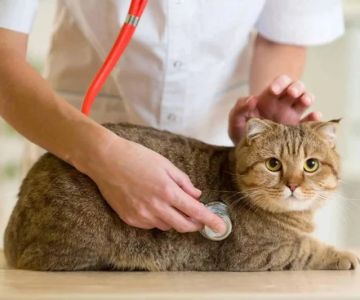
Veterinary checkups become more important—not less—as your pet ages. UK vets often recommend senior pets be examined every six months. These visits can help detect early signs of kidney disease, dental problems, or even cancer.
Blood work, urine analysis, and dental evaluations are often part of senior health screening. Catching issues early can significantly improve outcomes and extend your pet’s life.
Be proactive about parasite control too—older pets may be more vulnerable to fleas, ticks, and worms, especially if their immune system is weakening. Products available through RegPets include vet-approved options specifically formulated for seniors.
5. Emotional Wellbeing and Environmental Comfort
Just like humans, senior pets may experience cognitive decline, anxiety, or sensory loss. You may notice changes like disorientation, pacing at night, or vocalising more. Creating a predictable environment helps them feel safe—keep furniture and feeding spots consistent.
Soft lighting, calming music, and pheromone diffusers can all support an older pet’s emotional health. Spending more quiet, affectionate time together also helps. They may not play as much, but they still need connection.
Enrichment shouldn’t stop just because your pet is older. Puzzle feeders, slow walks in new places, or even gentle massage can help stimulate the senses and keep your companion engaged.
6. Real-Life Story: Harry the Labrador
Harry, a 10-year-old Labrador from Devon, had always been the energetic heart of his household. But over time, he started avoiding stairs and gaining weight. His owners initially thought it was just “old age.” A senior checkup revealed early signs of arthritis and kidney strain.
With vet guidance, they adjusted his diet, started him on joint supplements, and switched to shorter, more frequent walks. Within months, Harry’s energy returned, and so did his cheeky grin. His story shows that the right care can bring a senior pet back to life—sometimes quite literally.
7. How RegPets Can Support Your Senior Pet’s Needs
Caring for a senior pet in the UK doesn't have to be overwhelming. With a bit of planning and the right resources, your older companion can enjoy their golden years in comfort and health. RegPets makes it easier by connecting owners with age-appropriate food, vet-approved treatments, and comfort-enhancing accessories.
From orthopedic beds to supplements, calming tools to mobility aids, RegPets is a trusted hub for pet owners looking to give their companions the best care possible. Because senior pets may be slowing down—but they still deserve the very best every day.




 Serenity Vet Services5.0 (96 reviews)
 Ayres Veterinary Hospital - North Shields3.0 (67 reviews)
 Nikki's Nesties5.0 (215 reviews)
 AMC Aquatics4.0 (59 reviews)
 Rawdirectuk5.0 (15 reviews)
 Love Aquatics4.0 (76 reviews)
 Complete Guide to Nutrition Tips for Hamsters: What Your Pet Needs to Stay Healthy
 Complete Guide to Preventive Care for Cats: Ensuring a Healthy Life for Your Feline Friend
 The Importance of Microchipping Your Pet in the UK: What Every Owner Must Know
 Dealing with Anxiety and Stress in Pets: Vet Advice on Managing Pet Stress
 Common Illnesses Explained: Keeping Your Cats Healthy in the UK
 What to Expect During Your Pet’s First Vet Visit