
- 1. Why Preventive Care Is Important for Cats
- 2. Key Elements of Preventive Care for Cats
- 3. Vaccinations and Health Check-Ups
- 4. Nutrition and Diet for Cats
- 5. Exercise and Mental Stimulation
- 6. Common Cat Health Issues and How to Prevent Them
- 7. How to Create a Preventive Care Schedule for Your Cat
- 8. Why Choose RegPets for Your Cat Care Needs
1. Why Preventive Care Is Important for Cats
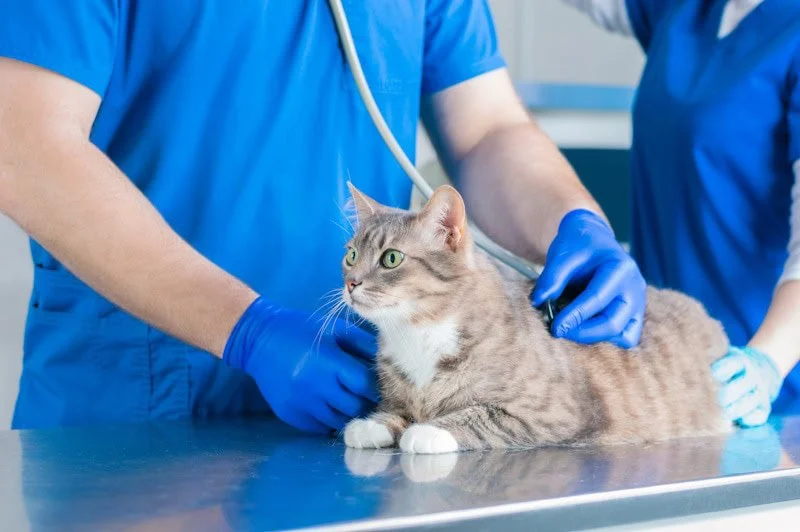
Preventive care is essential for maintaining the overall health and well-being of your cat. Just like humans, cats benefit from regular check-ups and proactive measures to detect and prevent health problems before they become serious. This approach helps ensure that your cat leads a long, healthy, and happy life.
By focusing on preventive care, you can catch health issues early, reduce the risk of chronic conditions, and improve your cat’s quality of life. It’s far easier and more cost-effective to prevent health problems than to treat them once they’ve developed.

TINGLEY TROPICALS
Stoneleigh, 19 Bradford Rd, Tingley, Wakefield WF3 1QN, UK
2. Key Elements of Preventive Care for Cats
Preventive care for cats includes several crucial elements. Each plays a role in keeping your feline friend healthy and comfortable throughout their life. Here are the key components of preventive care that every cat owner should be aware of:

2.1 Regular Health Check-Ups
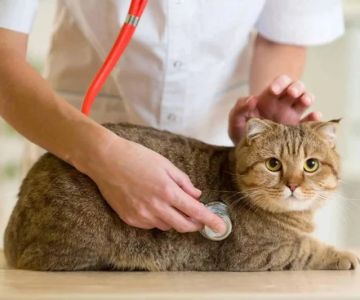
Annual or semi-annual vet visits are critical for monitoring your cat’s health. These visits help your vet assess your cat’s physical condition, perform screenings, and identify early signs of illness. Regular check-ups also allow for routine vaccinations and parasite control.
2.2 Dental Care
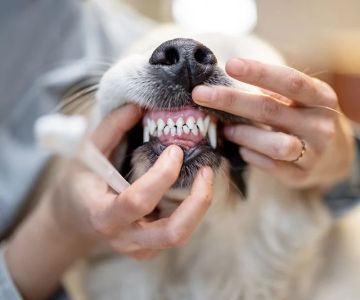
Dental hygiene is often overlooked in cats, but it’s just as important as other forms of care. Regular brushing, professional cleanings, and dental checks can help prevent dental disease, which is common in cats as they age. Poor dental health can lead to more serious health issues, including heart and kidney disease.
2.3 Parasite Prevention
Fleas, ticks, and worms are common parasites that affect cats. Preventing infestations through regular use of flea and tick prevention products, as well as deworming treatments, is essential for your cat’s health. These parasites can cause a range of problems, including skin irritation, allergies, and more severe conditions if left untreated.
3. Vaccinations and Health Check-Ups
Vaccinations are a critical part of preventive care for cats, as they protect them from a variety of infectious diseases. Regular health check-ups at the vet ensure your cat stays up-to-date on their vaccinations, preventing illnesses that could have lasting effects on their health.
3.1 Core Vaccines
Core vaccines are those that are recommended for all cats, regardless of their lifestyle. These vaccines typically include protection against feline herpesvirus, calicivirus, panleukopenia, and rabies. Your vet will help you determine the best vaccination schedule based on your cat’s age, health, and risk factors.
3.2 Non-Core Vaccines
Non-core vaccines are given based on your cat’s specific needs. These may include vaccines for diseases such as feline leukemia virus (FeLV) or feline immunodeficiency virus (FIV). Your vet will assess your cat’s lifestyle and recommend any additional vaccines if necessary.
4. Nutrition and Diet for Cats
A balanced, nutrient-rich diet is fundamental to your cat’s health. Just like humans, cats require a variety of nutrients to maintain their energy, immune function, and overall well-being. Proper nutrition helps prevent obesity, malnutrition, and other health issues.
4.1 Choosing the Right Food
When choosing food for your cat, it’s important to consider their age, size, activity level, and any health conditions they may have. Kittens, adult cats, and senior cats all have different nutritional needs. Consult your vet to choose the best food to support your cat’s health and development.
4.2 Hydration
Cats are often not great at drinking water, so it’s important to encourage hydration. Wet food can help supplement your cat’s water intake. Consider using water fountains or placing several water bowls around your home to encourage your cat to drink more.
4.3 Treats and Snacks
While treats can be an enjoyable part of your cat’s routine, they should be given in moderation. Overindulging in treats can lead to obesity and other health problems. Opt for healthy treats, and ensure that they do not make up more than 10% of your cat’s daily calorie intake.
5. Exercise and Mental Stimulation
Exercise and mental stimulation are essential for your cat’s physical and mental well-being. Regular playtime helps keep your cat active, preventing obesity and boredom. Mental stimulation, such as puzzle toys or training, can prevent cognitive decline, especially in older cats.
5.1 Interactive Play
Interactive play is one of the best ways to bond with your cat while also providing exercise. Use toys like feather wands, laser pointers, or balls to engage your cat in active play. This helps improve agility, coordination, and provides a mental challenge for your feline.
5.2 Scratching and Climbing
Cats have an instinctual need to scratch and climb. Providing scratching posts and climbing structures can help keep your cat physically active and prevent furniture damage. These activities also help stretch and strengthen muscles, providing both physical and mental benefits.
6. Common Cat Health Issues and How to Prevent Them
Cats, like all pets, are susceptible to certain health issues. Preventive care helps reduce the likelihood of these conditions, but being aware of common problems can help you spot early signs of illness. Here are some common health issues in cats and how to prevent them:
6.1 Obesity
Obesity is a growing problem in cats, especially as they age. Preventing obesity through portion control, regular exercise, and a balanced diet is essential for long-term health. Regularly monitor your cat’s weight and consult your vet if you notice any changes.
6.2 Dental Disease
Dental disease is common in cats, leading to pain, difficulty eating, and even systemic health issues. Preventing dental disease involves regular teeth brushing, dental treats, and professional cleanings as recommended by your vet.
6.3 Kidney Disease
Kidney disease is common in older cats. Preventive care includes keeping your cat hydrated and monitoring kidney function through regular vet check-ups. Early detection is key to managing kidney disease and improving your cat’s quality of life.
7. How to Create a Preventive Care Schedule for Your Cat
Creating a preventive care schedule for your cat helps ensure they stay healthy and happy. Work with your vet to establish a plan that includes annual check-ups, vaccinations, dental care, and parasite prevention. Keep track of any treatments or supplements and set reminders for regular grooming and flea treatments.
8. Why Choose RegPets for Your Cat Care Needs
At RegPets, we offer a wide range of products and services to support your cat’s preventive care needs. From premium food and supplements to grooming tools and health check-ups, we are committed to helping you keep your cat healthy and thriving.
Visit our website to explore our products, read expert advice, and learn more about how we can assist you in providing the best care for your feline friend.




 Cornerstone Veterinary Clinic4.0 (121 reviews)
 Newlands Cattery5.0 (14 reviews)
 Craemill Veterinary Clinic4.0 (141 reviews)
 Belfast PDSA Pet Hospital4.0 (823 reviews)
 The Dales Dog Deli5.0 (16 reviews)
 Pets at Home Penrith4.0 (437 reviews)
 Vet-Approved Nutrition Tips for Hamsters | Guide to Healthy Hamster Diets
 The Importance of Microchipping Your Pet in the UK: A Lifesaver for Pet Owners
 How to Handle Anxiety and Stress in Pets: Vet Advice
 How to Handle Emergency Situations with Your Pet: A Complete Guide
 Effective Flea and Tick Prevention for Pets in the UK | Expert Tips
 How to Choose the Right Pet Food for Your Dog or Cat – Expert Tips & Advice