
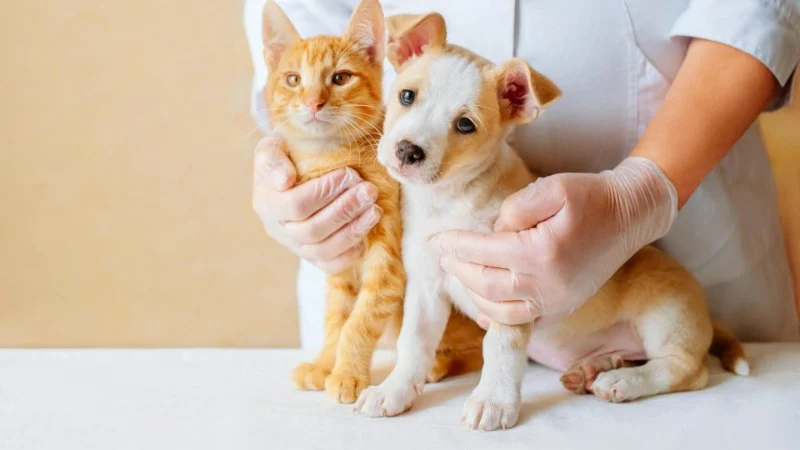
1. The Importance of Early Puppy and Kitten Care
Bringing a new puppy or kitten into your home is an exciting experience, but it also comes with great responsibility. The first few months of your pet's life are crucial for their physical, emotional, and social development. As a pet owner in the UK, understanding the essential care that your puppy or kitten needs will help set the foundation for a long, healthy, and happy life. In this article, we’ll explore the top 10 care tips every new pet owner should know, from feeding and grooming to socialisation and vaccinations.

2. Key Puppy and Kitten Care Tips
- 2.1 Proper Feeding for Healthy Growth
- 2.2 Essential Vaccinations for Puppies and Kittens
- 2.3 Grooming Tips to Keep Your Pet Clean and Healthy
- 2.4 Socialising Your Puppy or Kitten
- 2.5 Basic Training for Puppies and Kittens
- 2.6 Regular Vet Visits and Health Checks
- 2.7 Teething Care for Puppies and Kittens
- 2.8 The Importance of Playtime
- 2.9 Teaching Litter Box Habits
- 2.10 Ensuring Your Home is Safe for Your New Pet
2.1 Proper Feeding for Healthy Growth
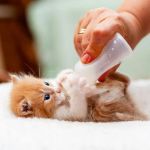
Feeding your puppy or kitten the right food is one of the most important aspects of their early care. Puppies and kittens have different nutritional needs compared to adult dogs and cats. It’s important to feed them high-quality, age-appropriate food that supports their growth and development. In the UK, you can find many reputable pet food brands that provide balanced nutrition for young pets. Always consult your vet to determine the best feeding plan and portion size based on your pet's breed and size.

Frame & Swift Limited
CarletonWestmorland and FurnessEngland
The Veterinary Clinic, Carleton, Penrith CA11 8TZ, UK
2.2 Essential Vaccinations for Puppies and Kittens
Vaccinations are vital to protect your new puppy or kitten from common diseases that can be dangerous or even fatal. In the UK, puppies should start their vaccinations at 8 weeks, with a second dose at 10-12 weeks, and a final dose at around 16 weeks. Kittens should receive their first vaccinations at 9 weeks, followed by a booster at 12 weeks. Common vaccinations include those for parvovirus, distemper, and leptospirosis in puppies, and feline leukemia and calicivirus in kittens. Speak to your vet about a vaccination schedule tailored to your pet’s needs.
2.3 Grooming Tips to Keep Your Pet Clean and Healthy
Grooming is an essential part of puppy and kitten care. Regular grooming not only keeps your pet looking their best but also helps maintain their health. Brushing your pet’s coat removes dirt, debris, and loose hair while also reducing the risk of matting. Bathing should be done sparingly, as too much can dry out your pet’s skin. For kittens, it’s also important to start grooming early to get them used to the process. Regular grooming also helps you check for any skin issues, parasites, or other health concerns.
2.4 Socialising Your Puppy or Kitten
Socialisation is the process of exposing your puppy or kitten to various people, animals, and environments to help them grow into well-adjusted adults. In the UK, socialising your pet is crucial for their emotional development and behaviour. Start socialisation as early as possible—puppies between 3 and 14 weeks old are most receptive to learning new experiences. Kittens also benefit from early socialisation, as it helps them become more confident and comfortable in different situations. Always ensure socialisation is positive and gradual to avoid overwhelming your pet.
2.5 Basic Training for Puppies and Kittens
Training your puppy or kitten is key to creating a harmonious household. Start with basic commands like “sit,” “stay,” and “come,” and use positive reinforcement techniques such as treats and praise. In the UK, puppy training classes are available for new pet owners, which can help with socialisation and behaviour. For kittens, litter box training is essential, and many kittens naturally take to it with some guidance. Training should be consistent and fun, so your pet enjoys the process and learns quickly.
2.6 Regular Vet Visits and Health Checks
Taking your puppy or kitten to the vet for regular health check-ups is essential for ensuring they are developing properly and staying healthy. In the UK, your vet will monitor your pet’s growth, administer vaccinations, and perform routine checks for parasites, infections, and other health issues. It’s important to establish a relationship with a trusted vet early on so you can provide your pet with the best possible care.
2.7 Teething Care for Puppies and Kittens
Teething can be a challenging time for both puppies and kittens. Puppies typically begin teething at around 3-6 months, and kittens usually begin at 3-4 months. To help soothe their discomfort, provide appropriate chew toys for puppies and kittens. Avoid giving them hard items that could damage their teeth. If teething causes excessive drooling or discomfort, consult your vet for advice on how to manage it effectively.
2.8 The Importance of Playtime
Playtime is not only fun but also vital for your puppy or kitten's physical and mental development. Play helps strengthen muscles, improve coordination, and stimulate their brain. In the UK, there are plenty of pet-friendly toys and games designed specifically for puppies and kittens. Whether it’s fetching, pouncing, or interactive toys, playtime provides essential bonding moments and encourages your pet’s natural instincts.
2.9 Teaching Litter Box Habits
For kitten owners in the UK, teaching your kitten to use the litter box is one of the first tasks to undertake. Fortunately, most kittens instinctively use a litter box, especially if it's kept in a quiet and accessible place. Be patient and consistent with the litter box setup and clean it regularly to avoid any accidents outside the box. If you encounter problems, consult your vet to rule out any health concerns that might be affecting your kitten's litter box habits.
2.10 Ensuring Your Home is Safe for Your New Pet
Creating a safe environment for your new puppy or kitten is essential. Remove any hazards such as toxic plants, sharp objects, and electrical cords. Puppy-proofing and kitten-proofing your home involves securing furniture, keeping cleaning supplies out of reach, and providing safe spaces where your pet can explore and rest. It’s important to keep in mind that your new pet is naturally curious, and supervision during their first few months is essential to prevent accidents.
If you’re looking for high-quality pet supplies to help you care for your puppy or kitten, visit RegPets, where you can find the best products for your new furry friend. From nutritious food and grooming tools to training equipment, RegPets has everything you need to give your pet a great start in life.

 Rawsome Dog Treats0.0 (0 reviews)
 Sheerbliss Cattery5.0 (19 reviews)
 Avenue Veterinary Centre4.0 (423 reviews)
 Sage Veterinary Group4.0 (252 reviews)
 Westford Cats5.0 (14 reviews)
 Maidenhead Aquatics Blackpool4.0 (398 reviews)
 Improve Fish Mental Health at Home: Tips and Recommendations
 Best Practices for Mental Health in Rabbits: Ensuring Your Pet's Well-being
 What to Expect During Your Pet’s First Vet Visit in the UK – Full Guide for New Owners
 Managing Pet Anxiety and Stress: Expert Vet Advice
 Essential Tips for Caring for Senior Pets
 Complete Guide to Puppy and Kitten Care for Birds – Essential Tips for Pet Owners