
- why-microchipping-is-mandatory-in-the-uk
- how-microchipping-works-in-practice
- real-life-stories-of-lost-and-found-pets
- common-misconceptions-about-pet-microchipping
- choosing-the-right-microchipping-service
1. Why Microchipping Is Mandatory in the UK
Microchipping your pet in the UK isn't just a recommendation—it's the law. Since April 6, 2016, it has been a legal requirement for all dogs over eight weeks old to be microchipped. As of June 2024, this regulation extends to cats as well. The aim is simple but vital: to ensure that lost or stolen pets can be easily identified and reunited with their rightful owners. With hundreds of thousands of pets going missing each year, a microchip can be the difference between a joyful reunion and heartbreaking uncertainty.
The microchip contains a unique identification number, which is linked to a central database containing your contact details. When scanned by a vet, animal shelter, or local authority, this chip can help locate you quickly. But remember, the microchip is only effective if your contact information is kept up to date.

2. How Microchipping Works in Practice
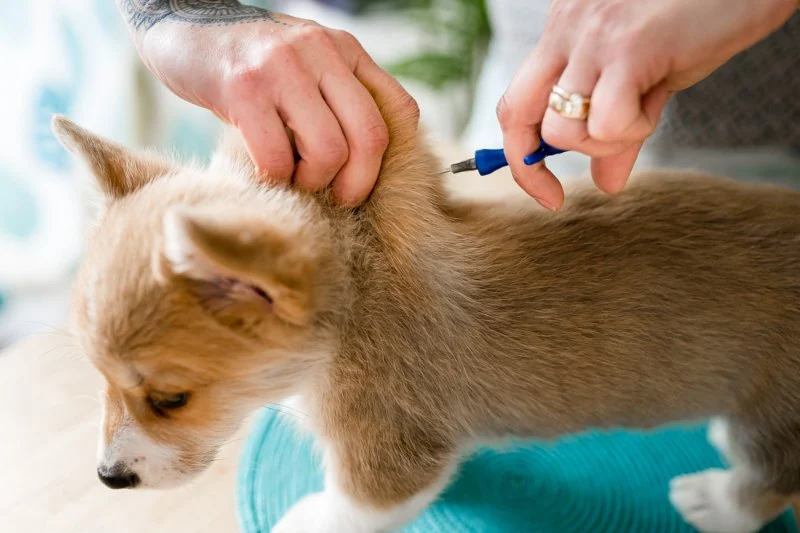
A pet microchip is about the size of a grain of rice and is implanted under the animal’s skin—usually between the shoulder blades. The procedure is quick, low-risk, and similar to receiving a vaccination. Once implanted, the chip lasts for life and doesn't need to be replaced.
Vets and rescue organisations use handheld scanners to read the microchip. Once scanned, the unique code can be traced through a pet registry database. If the pet owner has registered correctly and kept their details updated, the process of reuniting pet and owner is remarkably efficient.
At RegPets, we understand the importance of choosing a reliable microchipping service. That's why we only recommend approved services and products that meet UK regulatory standards.

3. Real-Life Stories of Lost and Found Pets
To understand just how essential microchipping can be, consider the story of Luna, a black Labrador from Birmingham who went missing during a thunderstorm. Her panicked owner, Claire, searched for weeks with no luck. It wasn’t until a vet in Leeds scanned Luna’s chip—nearly 100 miles away—that Claire finally got the call she’d been waiting for.
Another example is Mr. Whiskers, a tabby cat from Bristol, who wandered off and was found six months later living in a garden shed. Because he was microchipped and his owner had kept the contact info updated, he was reunited with his family within hours of being found.
These aren’t just touching reunions—they’re proof that microchipping works. And in many cases, it’s the only reason pets make it back home.
4. Common Misconceptions About Pet Microchipping
Despite how effective it is, there are still plenty of myths surrounding pet microchipping in the UK. One common misconception is that microchips work like GPS trackers. In reality, a microchip does not track your pet’s location—it only stores identification data.
Another myth is that microchipping is painful or harmful. In truth, the procedure is minimally invasive and causes no more discomfort than a routine vaccination. Once implanted, pets don’t even notice it’s there.
Lastly, some owners think that once a pet is chipped, they don’t need a collar or ID tag. While microchipping is critical, visible identification can also help someone quickly contact you without needing a scanner.
5. Choosing the Right Microchipping Service
In the UK, it’s important to use a government-compliant microchipping service. Not all providers are created equal. Look for services that are registered with DEFRA-approved databases and offer lifetime updates. Some providers may charge hidden fees for updating contact info—something to keep in mind when making your choice.
We recommend browsing through RegPets to find certified microchipping services, pet ID tags, and database update support. It’s your one-stop destination for trustworthy pet-related solutions tailored to UK regulations.
Also, consider microchipping even indoor pets. While it may seem unnecessary, indoor pets can slip out unnoticed during emergencies or when visitors leave doors ajar. Preparing for the unexpected is a mark of a responsible pet owner.




 Elland Pet Supplies4.0 (22 reviews)
 Origin vets clinic4.0 (106 reviews)
 Paws and Claws Pet Supplies4.0 (4 reviews)
 Furbies Raw Store Ballymena5.0 (3 reviews)
 Oakhill Veterinary Centre4.0 (199 reviews)
 Byre Veterinary Referrals5.0 (7 reviews)
 Top 10 Seasonal Health Tips Every Senior Pet Owner in the UK Should Know
 The Importance of Exercise and Fitness for Kittens – UK Edition
 Travel Safety Tips for Senior Pets: What UK Pet Owners Need to Know
 Dealing with Anxiety and Stress in Pets: Vet Advice
 How to Spot Signs of Arthritis in Older Pets | Early Detection and Management
 Complete Guide to Nutrition Tips for Hamsters: What Your Pet Needs to Stay Healthy