
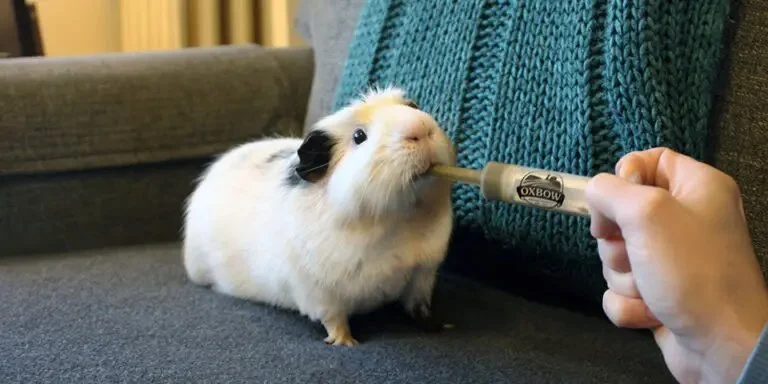
The Importance of Preventive Care for Guinea Pigs
As a guinea pig owner, providing preventive care is one of the most important steps to ensure your pet lives a long, happy, and healthy life. Preventive care helps avoid common health problems, ensures early detection of potential issues, and improves overall wellbeing. As guinea pigs are small, delicate creatures, managing their environment, diet, and regular checkups plays a crucial role in their health.
- 1. Proper Diet for Guinea Pigs
- 2. Providing Adequate Exercise and a Healthy Environment
- 3. Importance of Regular Veterinary Checkups
- 4. Grooming and Hygiene for Your Guinea Pig
- 5. Common Health Issues in Guinea Pigs and How to Prevent Them
1. Proper Diet for Guinea Pigs
One of the cornerstones of preventive care for guinea pigs is providing a balanced diet. Guinea pigs are herbivores and require a diet rich in hay, fresh vegetables, and fruits. Their digestive system relies on fibre, so always ensure hay is available for them to nibble on throughout the day.
Some essential dietary components include:
- Hay: Unlimited access to fresh hay, such as timothy hay, is essential for their digestive health.
- Fresh vegetables: Leafy greens like kale, spinach, and parsley provide important vitamins and minerals.
- Vitamin C: Guinea pigs cannot produce Vitamin C on their own, so supplementing their diet with fresh fruits like bell peppers and oranges is crucial.
Be cautious of foods that are high in sugar, such as fruits like grapes or sugary snacks, as these can lead to obesity and other health issues.

2. Providing Adequate Exercise and a Healthy Environment
Guinea pigs need plenty of space to move and exercise. Regular exercise is essential to maintain their physical and mental health. A large, well-ventilated cage with enough space for them to run around will prevent boredom and obesity.
Additionally, the environment should be clean and safe. Guinea pigs are sensitive to temperature changes and drafts, so ensure their living space is kept at a stable temperature and away from direct sunlight. The bedding in their cage should be changed regularly to keep the area hygienic and comfortable.

The Reptile Hotel
20, Harraton Terrace, Durham Rd, Birtley, Chester-le-Street DH3 2QG, UK
3. Importance of Regular Veterinary Checkups
Regular veterinary visits are crucial for preventive care. During these checkups, a vet can perform thorough health assessments, check for any signs of illness, and provide vaccinations if necessary. It's especially important to monitor their dental health, as guinea pigs are prone to dental issues like overgrown teeth.
Early detection of any health problems allows for more effective treatment and reduces the risk of serious complications later on. In addition, your vet can offer personalized advice for your guinea pig’s care based on their age, breed, and health history.
4. Grooming and Hygiene for Your Guinea Pig
Guinea pigs require regular grooming to maintain a healthy coat and prevent skin issues. Regular brushing helps remove loose hair and prevents mats from forming, especially for long-haired breeds. During shedding periods, grooming becomes even more important.
Hygiene also extends to their living environment. Ensure that the cage is cleaned thoroughly at least once a week, and that food and water dishes are cleaned daily. Guinea pigs are highly susceptible to respiratory infections from dirty cages or unclean bedding, so maintaining hygiene is vital for their health.
5. Common Health Issues in Guinea Pigs and How to Prevent Them
Guinea pigs are prone to several health issues that can be prevented with proper care. Some common issues include:
- Dental problems: Regular checkups and a diet rich in hay can prevent dental issues like overgrown teeth.
- Respiratory infections: Keeping their environment clean and avoiding damp, dirty conditions will reduce the risk of respiratory infections.
- Obesity: Providing a balanced diet and regular exercise helps prevent obesity and the related complications that come with it.
By paying attention to their diet, environment, and regular care, you can significantly reduce the likelihood of these health issues and ensure your guinea pig thrives.
For more tips on keeping your guinea pig healthy, and to find the best products and services for preventive care, visit RegPets. We offer expert advice and the best products to keep your guinea pig happy and healthy.

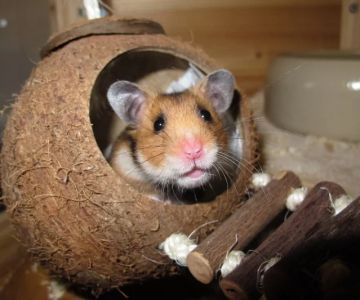
 Glenbeets Cattery5.0 (11 reviews)
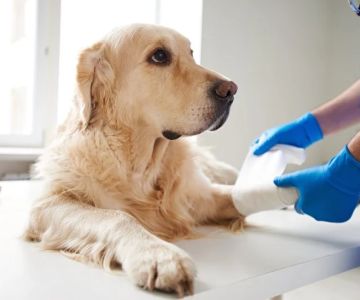
 Park View Veterinary Hospital4.0 (69 reviews)
 Kettering Reptiles4.0 (101 reviews)
 Ironstone Veterinary Clinic - Vets Middlesbrough5.0 (4 reviews)
 Ayres Veterinary Centre - Whitley Bay4.0 (56 reviews)
 Cross Counties Farm Vets - Welford0.0 (0 reviews)
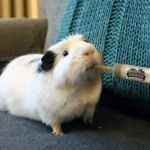 UK Pet Owner’s Guide to Preventive Care for Guinea Pigs
 Vet-Approved Nutrition Tips for Rabbits: Ensure Your Bunny’s Health
 How to Manage Your Pet’s Weight and Prevent Obesity
 Vet Advice on Dealing with Pet Anxiety and Stress in the UK
 Seasonal Health Tips for Guinea Pigs: Essential Care Advice for UK Pet Owners
 Recognizing Symptoms of Allergies in Dogs and Cats in the UK