
- why-regular-vet-visits-are-essential
- what-happens-during-a-pet-health-checkup
- how-often-should-different-pets-visit-the-vet
- signs-your-pet-needs-an-extra-checkup
- how-to-make-health-checkups-easier-for-you-and-your-pet
- finding-the-right-vet-in-the-uk
1. Why Regular Vet Visits Are Essential
Just like humans, pets benefit from routine health checkups to detect potential issues before they become serious. Regular visits to the vet help ensure vaccinations are up to date, prevent common illnesses, and keep your pet’s weight, dental health, and nutrition in check. Many UK pet owners delay or skip checkups until there’s a visible problem—by then, treatment could be more complex and expensive.
A study by the British Veterinary Association found that pets who see a vet regularly tend to live healthier and longer lives. Whether you have a mischievous cat or a lovable Labrador, preventative care is far more effective (and less stressful) than emergency intervention.

2. What Happens During a Pet Health Checkup
A typical vet checkup is more comprehensive than you might think. Here’s a breakdown:

2.1 Full Physical Examination
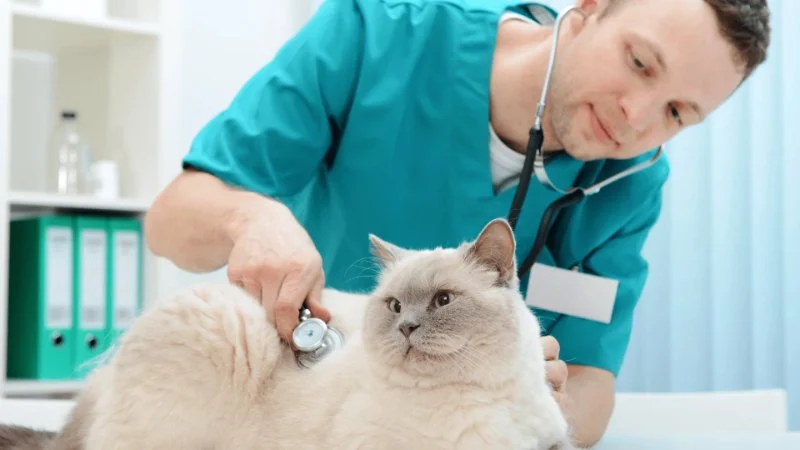
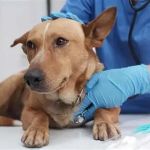
The vet checks your pet’s coat, eyes, ears, teeth, and joints. They’ll listen to the heart and lungs, palpate the abdomen, and assess muscle tone. This helps identify issues like arthritis, dental disease, and early signs of cancer.
2.2 Weight and Nutrition Analysis
Obesity is one of the most common health concerns in UK pets. Vets will assess body condition and may recommend dietary changes. Don’t be surprised if your vet discusses pet food options—many of which are available through RegPets for your convenience.
2.3 Vaccination and Parasite Control
Routine vaccinations and flea/tick/worm prevention are typically reviewed during each visit. Skipping these puts your pet—and possibly other animals—at risk.
3. How Often Should Different Pets Visit the Vet
3.1 Puppies and Kittens
Young pets should see the vet every 3–4 weeks until they’re around 4 months old. These early visits cover vaccinations, deworming, and developmental assessments.
3.2 Adult Dogs and Cats
For healthy adult pets aged 1–7 years, an annual health check is usually sufficient. However, if your pet has a chronic condition, more frequent visits may be needed.
3.3 Senior Pets
Pets over 7 are considered senior and may require biannual visits. Conditions like kidney disease, diabetes, or arthritis are more common and progress quickly without monitoring.
3.4 Rabbits, Birds, and Exotic Pets
These pets often hide illness well, so regular checkups are vital. Exotic pets should ideally see a vet with species-specific experience. RegPets helps connect owners with trusted exotic animal specialists across the UK.
4. Signs Your Pet Needs an Extra Checkup
Even if your pet just had a routine visit, certain behaviours should prompt an additional vet appointment:
- Sudden weight loss or gain
- Changes in appetite or drinking habits
- Vomiting or diarrhoea for more than 24 hours
- Lethargy or hiding behaviour
- Limping or stiffness
- Bad breath or drooling
Take, for example, a London-based cat owner who noticed her normally playful tabby was sleeping all day. A quick check revealed early-stage kidney issues—something easily managed because it was caught in time. These stories underline the importance of acting on subtle signs.
5. How to Make Health Checkups Easier for You and Your Pet
Vet visits don’t have to be stressful. Here are a few ways to ease the process:
5.1 Familiarise Your Pet with Travel
Take short drives with your pet before the vet visit. This helps reduce anxiety associated with car rides.
5.2 Use Comfort Items
Bring a favourite blanket or toy. Many pets respond well to familiar scents and textures in new environments.
5.3 Book Off-Peak Appointments
If your pet is easily stressed by noise or other animals, ask your vet for quieter appointment slots. Some UK clinics even offer separate cat and dog waiting areas.
5.4 Reward After Visits
Treats, playtime, or extra cuddles after a successful checkup help reinforce positive associations. RegPets features a wide range of calming products and treats perfect for post-vet rewards.
6. Finding the Right Vet in the UK
Not all vets are created equal. Look for clinics with Royal College of Veterinary Surgeons (RCVS) accreditation and read online reviews. It’s worth asking about emergency care availability and whether they offer wellness plans, which can save you money over time.
If you’re unsure where to start, RegPets can connect you with highly rated veterinary services, personalised to your location and pet type. Their platform makes it easy to explore products, services, and health solutions trusted by thousands of UK pet owners.




 Town and Country Veterinary Group4.0 (265 reviews)
 Bonnie B's Cattery5.0 (8 reviews)
 Bella’s Pantry4.0 (10 reviews)
 Medivet Hull the Avenues - Chants Vets4.0 (250 reviews)
 Jollyes - The Pet People Leyland4.0 (24 reviews)
 Pawsitive Relief Veterinary Rehabilitation5.0 (4 reviews)
 Top 10 Urgent Signs Your Pet Needs to See a Vet in the UK
 The Importance of Exercise and Fitness for Kittens – UK Edition
 How to Choose the Right Pet Food for Your Dog or Cat in the UK
 Pet Dental Care: Why Regular Vet Visits Matter for UK Pets
 What to Expect During Your Pet’s First Vet Visit in the UK – Full Guide for New Owners
 How to Handle Emergency Situations with Your Pet – Essential Tips & Advice