
- preparing-for-your-pets-first-vet-visit
- what-happens-during-the-initial-consultation
- vaccinations-microchipping-and-worming
- real-case-a-puppys-first-vet-visit-in-manchester
- questions-to-ask-your-vet-on-the-first-visit
- how-regpets-helps-you-navigate-your-pets-first-steps
1. Preparing for Your Pet’s First Vet Visit
Bringing a new pet into your home is an exciting moment—but your responsibilities begin immediately. One of the first steps is scheduling that all-important first vet visit. In the UK, it’s recommended to book within the first week of bringing home a puppy, kitten, or rescue animal. This early check-up sets the foundation for their long-term health and wellbeing.
Before the visit, gather any relevant paperwork such as adoption records, vaccine history, and microchip details. Use a secure carrier for cats or a properly fitted lead for dogs. And don’t forget treats—positive reinforcement goes a long way in making the vet experience smoother for everyone.

The Horse Vet
Sheepwalk, 9, The Menagerie, Skipwith Rd, Escrick, York YO19 6ET, UK
2. What Happens During the Initial Consultation
The first consultation usually lasts 20 to 30 minutes, longer than follow-up appointments. Your vet will do more than just “check things over”—they’ll take time to build a profile of your pet’s health.

Buttercross Veterinary Centre - Cotgrave
CotgraveNottinghamshireEngland
7 Candleby Ln, Cotgrave, Nottingham NG12 3JG, UK
2.1 Physical Examination
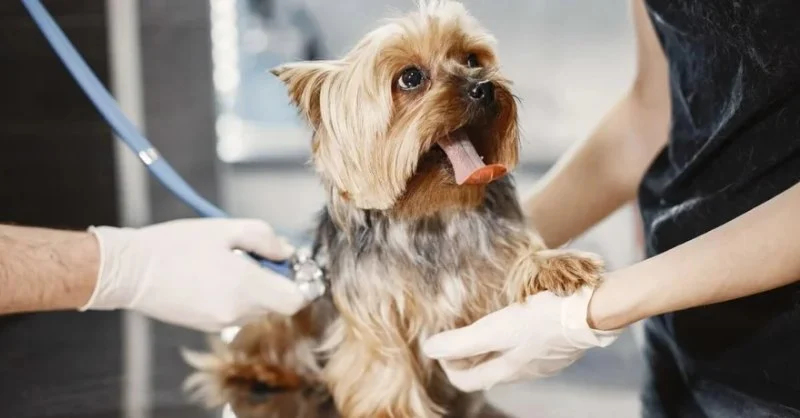
The vet will examine eyes, ears, skin, teeth, heart, and lungs. They’ll also check for congenital issues that might require future monitoring, such as joint problems in large-breed dogs or heart murmurs in kittens.
2.2 Behaviour and Diet Discussion
Expect a conversation about your pet’s feeding habits, toilet training, socialisation, and behaviour. This is especially useful for first-time pet owners. UK vets often suggest breed-appropriate diets and offer advice tailored to British weather and living spaces.
2.3 Lifestyle and Environment Check
Is your pet going to be indoor-only? Do you live in the countryside or central London? These details help the vet recommend suitable flea and tick prevention, parasite treatments, and exercise plans.
3. Vaccinations, Microchipping and Worming
Your vet will outline a personalised healthcare plan based on age and history. In the UK, puppies and kittens usually need two sets of vaccines, spaced 2–4 weeks apart. Boosters follow annually.
3.1 Core Vaccines
These include protections against deadly viruses like parvovirus, distemper, feline leukaemia, and rabies (particularly for pets travelling abroad under the Pet Travel Scheme).
3.2 Microchipping
In the UK, it’s legally required to microchip dogs by 8 weeks of age. Microchipping for cats will also become compulsory under upcoming legislation. If not already done, your vet will offer to perform the procedure during the visit.
3.3 Parasite Prevention
Worming and flea treatment schedules are also established. Many vets now tailor these plans based on lifestyle factors—like whether your pet mingles in public parks or lives with children.
4. Real Case: A Puppy’s First Vet Visit in Manchester
Ella and her partner brought home Cooper, a 9-week-old Cocker Spaniel, to their Manchester flat. Although they’d owned cats before, a puppy was a new challenge. They scheduled Cooper’s first vet visit with a local clinic in Chorlton.
The vet spotted a mild umbilical hernia—nothing serious, but something to monitor. They also advised on crate training and recommended food suitable for Cooper’s sensitive tummy. Ella recalls how reassuring it was: “We left feeling like we had a plan, not just a puppy.”
5. Questions to Ask Your Vet on the First Visit
Don’t be shy—your vet is there to guide you. Here are some insightful questions that many UK pet owners find helpful during the first consultation:
5.1 “What should I feed them and how much?”
Nutritional needs vary widely by breed, age, and activity level. Ask for specific brand recommendations or feeding schedules that suit your pet’s needs.
5.2 “What is normal behaviour at this stage?”
Vets can help you distinguish between quirky puppy antics and early signs of anxiety or health concerns. This helps you train more effectively and spot red flags early.
5.3 “When should we return for the next visit?”
Make sure you leave with a clear vaccination timeline and date for your next check-up. It’s also a good time to discuss when to consider neutering or spaying.
6. How RegPets Helps You Navigate Your Pet’s First Steps
At RegPets, we understand that the early days with a new pet can feel overwhelming. That’s why we offer curated recommendations for UK-based pet owners—everything from puppy starter kits and microchip registries to trusted local vets and behavioural trainers.
Whether you’re raising a city cat or a countryside dog, RegPets makes it easier to find the right resources and products for every stage of their life. We help you go beyond the basics, giving your pet the best start possible.
The first vet visit is more than a health check—it’s the start of a lifelong care journey. With preparation, questions, and the right support from RegPets, you’ll be ready for whatever comes next.




 Ideal Pet Stores4.0 (26 reviews)
 Paws & Co Veterinary Centre5.0 (2 reviews)
 Mutts Menu5.0 (13 reviews)
 Lincolnshire Veterinary Referrals0.0 (0 reviews)
 Stewartry Pet Supplies5.0 (4 reviews)
 Dr. Batty's Pet & Country Store4.0 (17 reviews)
 Essential Tips for Caring for Senior Pets
 Vet Advice on Dealing with Pet Anxiety and Stress in the UK
 Complete Guide to First Aid Tips for Cats: Essential Care for Your Feline
 The Importance of Skin and Coat Care for Senior Pets in the UK
 Common Illnesses Explained: Keeping Your Cats Healthy in the UK
 How to Spot Signs of Arthritis in Older Pets – UK Pet Owner’s Guide