RegPets
HomePet CheckupsPet Shop Near MeVets Near Me
EnglandNorthern IrelandScotlandWales

RegPetsPet Checkups

Complete Guide to Health Checkups for Cats: Ensuring Your Pet's Wellbeing

Complete Guide to Health Checkups for Cats: Ensuring Your Pet's WellbeingComplete Guide to Health Checkups for Cats: Ensuring Your Pet's Wellbeinghealth checkups for cats, cat health care, regular cat checkups, cat vet visits, preventive health for catsExplore the complete guide to health checkups for cats, covering essential vet visits, preventive care, and tips for maintaining your cat's health. Learn how to ensure your feline friend's wellbeing.

Importance of Regular Health Checkups for Cats

Just like humans, cats need regular health checkups to ensure they are in the best possible shape. While cats are generally independent and may not show signs of illness until the condition is advanced, regular checkups are vital for early detection and prevention of health issues. Preventive care allows you to identify and address potential problems before they become serious.Key reasons to schedule regular checkups:Early Detection of Diseases: Cats are skilled at hiding symptoms of illness, so regular vet visits are the best way to catch problems early, before they worsen.Prevention: Health checkups help prevent future illnesses by maintaining vaccinations, parasite control, and dental care.Overall Wellbeing: Ensuring your cat’s overall health can improve their quality of life and extend their lifespan.These visits not only help you keep track of your cat’s current health but also prevent many common diseases that can affect your feline companion.

Key Checkups in a Regular Vet Visit

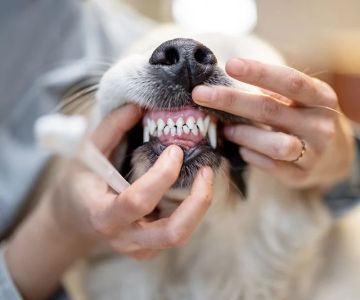
During a regular health checkup, your vet will perform several key assessments to evaluate your cat’s health. These include:Physical Examination: The vet will check your cat's weight, coat condition, skin, eyes, ears, teeth, and overall body condition. This helps identify any visible signs of disease or discomfort.Vaccinations: Your vet will update your cat’s vaccinations according to their age and lifestyle. Core vaccinations include rabies, feline calicivirus, feline herpesvirus, and panleukopenia.Dental Checkup: Cats are prone to dental issues, and a vet will examine their teeth and gums for signs of plaque, tartar, and gum disease.Parasite Control: Your vet will check for external parasites (such as fleas and ticks) and may recommend treatments for worms, heartworm, and other common parasites.Blood Tests and Urinalysis: Routine blood tests can give a picture of your cat's internal health and detect issues like kidney disease, thyroid problems, or diabetes.Diet and Nutrition: The vet will review your cat's diet to ensure they are receiving the appropriate nutrients and recommend any changes if needed.These essential checkups help ensure your cat’s long-term health and vitality.

When to Schedule a Checkup for Your Cat

The frequency of your cat’s checkups depends on their age, lifestyle, and overall health. As a general guideline:Kittens: Kittens should visit the vet every 3-4 weeks until they are 16 weeks old. These visits are crucial for vaccinations, parasite control, and early health assessments.Adult Cats: For healthy adult cats (1 to 7 years old), annual checkups are typically sufficient. This includes routine exams, vaccinations, and any necessary preventive care.Senior Cats: Once your cat reaches 7 years or older, they are considered a senior. At this stage, it’s a good idea to schedule bi-annual checkups. Senior cats are more prone to developing health issues like arthritis, kidney disease, or dental problems.Certain circumstances may require more frequent visits, such as changes in behavior, noticeable weight loss, or signs of illness. Always consult with your vet if you are concerned about your cat's health between scheduled checkups.

Signs Your Cat May Need a Health Check
While regular vet visits are essential, being aware of changes in your cat’s behavior or appearance can alert you to potential health problems. Some signs that your cat may need a health check include:Changes in Appetite: If your cat suddenly eats much more or less than usual, it could indicate a health issue such as diabetes or gastrointestinal problems.Lethargy: If your cat becomes unusually tired, lacks energy, or is less active than usual, it may be a sign of an underlying problem like anemia or heart disease.Vomiting or Diarrhea: Occasional vomiting may not be alarming, but frequent vomiting or diarrhea can signal an infection, digestive disorder, or parasite problem.Excessive Grooming or Scratching: Cats may groom excessively or scratch due to flea infestations, allergies, or skin conditions. This should be checked by a vet to prevent further irritation.Behavioral Changes: If your cat is becoming unusually aggressive or withdrawn, it may be in pain or discomfort, requiring veterinary evaluation.If you notice any of these symptoms, it's essential to consult a vet to rule out any serious conditions.

Conclusion

Regular health checkups are one of the best ways to ensure your cat lives a long and healthy life. By staying proactive with preventive care, vaccinations, and early detection, you can help your furry friend avoid many common illnesses and maintain their overall wellbeing. Keep an eye on your cat’s behavior and always schedule a vet visit if you notice any changes or concerns.For more tips on cat health and to find the best products for your feline companion, visit RegPets, your trusted resource for pet care.

Popular Blog Posts

Categories

Top Visited Sites

Trending Pet Checkups Posts