
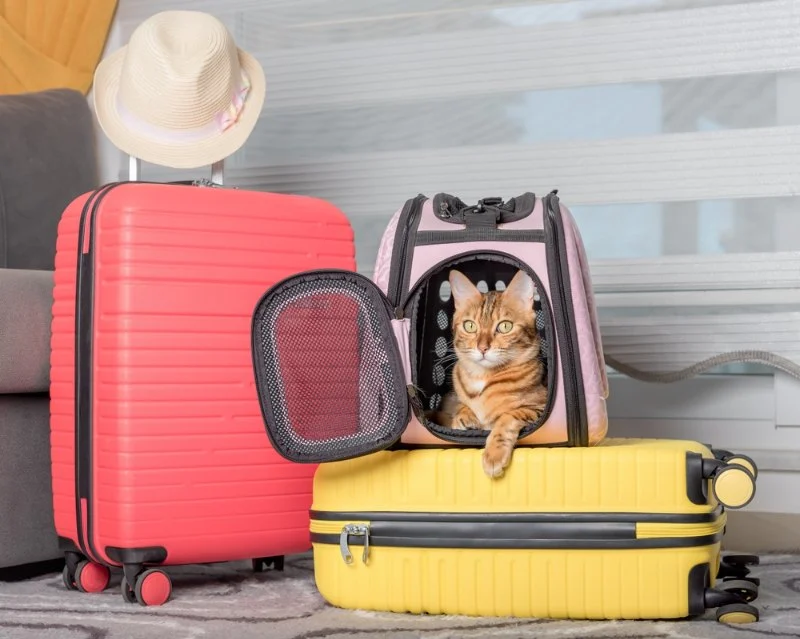
- Understanding Travel Safety for Cats
- Preparing Your Cat for Travel
- Travel Safety Tips for Cats in the UK
- Choosing the Right Transport for Your Cat
1. Understanding Travel Safety for Cats
Traveling with a cat requires careful planning to ensure your feline friend’s safety and comfort throughout the journey. Whether you're heading to a nearby town or taking a longer trip across the UK, travel safety for cats is crucial. Cats are creatures of habit and can become stressed or anxious when their routine is disrupted, especially during travel. This stress can manifest as behavioral issues, vomiting, or even health concerns. Ensuring the safety of your cat during travel not only makes the journey easier for them but also for you.
In the UK, there are specific pet travel regulations that you need to follow, including microchipping, vaccinations, and transport methods. By understanding these requirements and preparing ahead of time, you can make sure your cat’s travel experience is as smooth and stress-free as possible. Additionally, recognizing the signs of travel anxiety and knowing how to manage it can make a significant difference in your cat’s experience.

2. Preparing Your Cat for Travel
Proper preparation is key to ensuring a safe and smooth trip for your cat. Here’s how you can prepare:

Mobile Microchipping Lancs
Lawclough, Farm, Britannia, Rochdale Road, Bacup OL13 9XF, UK
2.1 Visit the Vet
Before embarking on any trip, it’s essential to schedule a vet appointment. Your vet will ensure your cat is fit for travel, up to date with vaccinations, and has the necessary documentation for travel. If you're traveling internationally, ensure your cat has the appropriate pet passport, which includes proof of rabies vaccination and microchipping details. For domestic travel within the UK, ensure your cat is healthy enough for the journey, especially if it involves long hours in a car or on public transport.
2.2 Acclimate Your Cat to the Carrier
One of the best ways to reduce stress is by getting your cat familiar with the travel carrier before the trip. Place your cat’s food, toys, and bedding inside the carrier a few days in advance. Let them explore the carrier and get used to the environment. This simple step helps your cat associate the carrier with comfort rather than stress or confinement. Start with short trips around the house or to the garden before going on longer journeys.
2.3 Pack the Essentials
When traveling with your cat, packing the essentials is a must. This includes their regular food, treats, a water bowl, their favorite toy, and a blanket with familiar smells. It’s also important to bring along any medications your cat might need during the trip. If you're traveling by car, consider a pet seat belt or carrier seat belt attachment to keep the carrier steady and your cat secure.
3. Travel Safety Tips for Cats in the UK
The UK has specific rules and recommendations when it comes to traveling with pets. Here are some tips to ensure your cat’s safety during travel:
3.1 Ensure Your Cat’s Comfort in the Car
If you're traveling by car, make sure your cat is as comfortable as possible. Never leave your cat unattended in a parked car, as temperatures can rise quickly, even on mild days. Use a well-ventilated, secure carrier to prevent your cat from roaming around the car. You can also place a comfortable blanket or cushion inside to provide extra comfort.
3.2 Take Breaks During Long Journeys
For long road trips, plan to stop every couple of hours to give your cat a chance to stretch and hydrate. Always keep your cat securely in their carrier during stops to avoid any accidents or escapes. If you’re traveling by train, make sure to check with the train operator about pet policies and keep your cat in a secure carrier throughout the journey.
3.3 Secure Your Cat During Public Transport Travel
If you’re traveling by public transport within the UK, such as by train or bus, make sure you follow the transport guidelines for traveling with pets. In most cases, your cat will need to be kept in a secure carrier. Always check the specific pet policies for each service you’re using to avoid any surprises. Many trains allow small pets in carriers for free, but you may need to purchase a ticket for larger pets.
3.4 Stay Calm to Keep Your Cat Calm
Pets are highly sensitive to their owners' emotions, so try to stay calm and relaxed during the journey. If you’re stressed or anxious, your cat may pick up on that and become more nervous. Speak softly to your cat and provide comfort throughout the journey. The more relaxed you are, the more your cat will feel at ease.
4. Choosing the Right Transport for Your Cat
Choosing the right transport method depends on the type of trip you’re taking. Here are some considerations for different travel options:
4.1 Car Travel
For short to medium distances, car travel is often the most comfortable option for both you and your cat. As mentioned earlier, always use a well-ventilated, secure carrier for your cat. Make sure the carrier is stable and doesn’t slide around during the drive. Ensure your cat has plenty of fresh water and food, especially if you’re traveling for several hours.
4.2 Train Travel
Traveling by train in the UK can be an excellent option for getting around with your cat. The train is generally more spacious than a car, and cats can travel in carriers under the seat. Remember to book a pet-friendly seat and keep your cat secure in their carrier during the trip. Some train services may even allow you to walk your cat around during the journey, but always check in advance for the specifics.
4.3 Plane Travel
If you’re flying with your cat, it’s crucial to check the airline’s pet policy. Many airlines allow cats to travel in the cabin in a secure carrier, but there may be size and weight restrictions. For long flights, make sure to pack all necessary supplies and ensure your cat’s comfort throughout the journey. Always check the specific airline’s rules regarding pets and book your flight early to ensure you get the best seat for you and your cat.
5. Conclusion
Traveling with your cat can be an enjoyable experience with the right preparation and safety measures. By following the steps outlined above, you can ensure your cat stays comfortable and safe during the journey, whether you’re driving across the UK or flying internationally. Always prioritize your cat’s well-being, choose the appropriate transport, and provide plenty of comfort along the way. For more advice on pet travel and to find pet-friendly travel products, visit RegPets for the best recommendations.





 Gone Barking5.0 (7 reviews)
 Peejay Pet Superstore Ltd4.0 (1173 reviews)
 Sheerbliss Cattery5.0 (19 reviews)
 Calcaria Veterinary Practice4.0 (90 reviews)
 Crookedstone Cattery0.0 (0 reviews)
 Apisto Aquatics5.0 (25 reviews)
 Top 10 Behaviour Training Every Reptile Owner in the UK Should Know
 Common Vaccination Myths Debunked by UK Vets
 How to Handle Emergency Situations with Your Pet | Pet Safety Tips
 Complete Guide to Nutrition Tips for Hamsters: What Your Pet Needs to Stay Healthy
 Dealing with Anxiety and Stress in Pets: Vet Advice for UK Pet Owners
 Top 10 Behaviour Training Every Guinea Pig Owner in the UK Should Know