
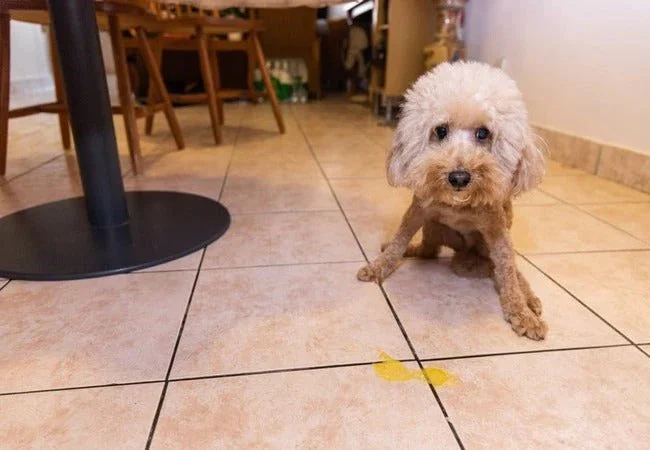
When Your Dog Throws Up Yellow Foam: What It Really Means and What You Should Do Next
- 1-understanding-why-dogs-vomit-yellow-bile
- 2-common-causes-of-yellow-vomit-in-dogs
- 3-home-care-steps-before-going-to-the-vet
- 4-warning-signs-that-require-immediate-veterinary-attention
- 5-real-life-dog-owner-experiences-and-vet-insights
- 6-long-term-digestive-health-and-prevention-strategies
1. Why Is My Dog Vomiting Yellow Bile in the First Place?
If you’ve ever woken up to the sound of your dog gagging and found a yellowish puddle on the floor, you’re not alone. One of the most common concerns pet owners search for is Why Is My Dog Vomiting Yellow Bile?, and the answer is often tied to the stomach being empty or irritated.
1.1 What Yellow Bile Actually Is
Yellow bile is a digestive fluid produced by the liver and stored in the gallbladder. Its job is to help break down fats. When a dog’s stomach is empty for too long, bile can irritate the stomach lining, leading to vomiting.
1.2 Why It Looks More Alarming Than It Usually Is
The bright yellow color often scares pet owners, but in many cases it is not immediately dangerous. However, recurring episodes always signal an underlying issue that needs attention.
2. Common Causes Behind Yellow Vomiting in Dogs
Understanding the root causes helps you respond calmly instead of panicking. While occasional bile vomiting can be harmless, repeated episodes often point to deeper digestive imbalances.
2.1 Empty Stomach or Irregular Feeding Schedule
One of the most frequent reasons dogs vomit yellow bile is simply not eating for too long. When stomach acid builds up without food, irritation occurs. This is especially common in dogs fed only once a day.
2.2 Dietary Indiscretion
Dogs are naturally curious eaters. Trash, grass, or fatty table scraps can disrupt digestion and trigger bile vomiting. Many emergency vet visits in the US involve dogs that got into food waste or kitchen leftovers.
2.3 Acid Reflux and Gastritis
Inflammation of the stomach lining (gastritis) or acid reflux can lead to repeated bile vomiting, often early in the morning or late at night when the stomach is empty.
2.4 Parasites or Underlying Illness
Intestinal parasites, pancreatitis, or liver issues may also cause yellow vomit. These cases are more serious and usually come with other symptoms like lethargy or loss of appetite.
3. What You Can Do at Home Before Calling the Vet
Not every episode requires immediate emergency care, but careful observation is important. Many pet owners can manage mild cases at home while monitoring their dog closely.
3.1 Adjust Feeding Schedule
Instead of one large meal, splitting food into two or three smaller meals can reduce stomach acid buildup. This alone often reduces bile vomiting significantly.
3.2 Offer Gentle, Bland Meals
Boiled chicken and rice can help settle the stomach temporarily. Avoid fatty or heavily processed foods until symptoms stabilize.
3.3 Keep Hydration Steady
Ensure your dog continues drinking water. Dehydration can worsen digestive irritation and make vomiting episodes more frequent.
4. When Yellow Vomiting Becomes an Emergency
There is a clear difference between occasional bile vomiting and something more serious. Recognizing red flags early can make a critical difference in treatment outcomes.
4.1 Repeated Vomiting in a Short Period
If your dog vomits multiple times within a few hours, especially yellow bile mixed with foam or blood, it requires urgent veterinary evaluation.
4.2 Lethargy or Sudden Behavior Changes
Dogs that stop eating, become unusually tired, or hide more than usual may be dealing with more serious gastrointestinal or systemic issues.
4.3 Signs of Pain or Abdominal Swelling
If your dog shows discomfort when touched or has a bloated abdomen, it could indicate conditions like pancreatitis or blockage.
5. Real-Life Experiences From Dog Owners and Veterinarians
A dog owner in Arizona once shared how her Labrador began vomiting yellow bile every morning. At first, she assumed it was minor. After a week, the symptoms worsened. A vet diagnosed severe acid reflux caused by long fasting periods overnight. Adjusting feeding times solved the issue completely within days.
In another case discussed in pet care forums, a rescue dog in California was repeatedly vomiting bile due to intestinal parasites. Once treated, the vomiting stopped entirely. These stories highlight how symptoms that look similar can have very different causes.
Veterinarians often emphasize that early observation is key. Small changes in behavior or appetite usually appear before serious digestive conditions fully develop.
6. Supporting Long-Term Digestive Health in Dogs
6.1 Consistent Feeding Routine
Dogs thrive on routine. Feeding at the same times each day stabilizes stomach acid levels and reduces bile-related vomiting episodes.
6.2 High-Quality Nutrition
Low-quality food with fillers can irritate digestion over time. Choosing balanced, digestible formulas improves gut health and reduces vomiting frequency.
6.3 Regular Veterinary Checkups
Routine health screenings help detect early signs of digestive disorders before they become serious conditions.
6.4 Where Pet Owners Can Find Reliable Support
For pet owners looking for trusted guidance, health resources, and recommended care products, RegPets provides curated solutions for digestive health, feeding support, and overall wellness management tailored for dogs experiencing vomiting or stomach sensitivity.
Understanding Why Is My Dog Vomiting Yellow Bile is not just about reacting to symptoms—it’s about building a healthier routine that prevents them from happening again. With proper care, observation, and timely veterinary support, most dogs recover quickly and live comfortably without recurring digestive issues.



 Rixsters5.0 (3 reviews)
 Newtownards Reptiles and pets supplies5.0 (22 reviews)
 Chip and Scan5.0 (1 reviews)
 Minster Veterinary Centre4.0 (108 reviews)
 MMA Reptiles5.0 (67 reviews)
 The Ings Luxury Cat Hotel5.0 (79 reviews)
 Common Illnesses Explained: Keeping Your Guinea Pigs Healthy in the UK
 Complete Guide to First Aid Tips for Dogs: Essential Steps Every Pet Owner Should Know
 Flea and Tick Prevention for Pets in the UK: Essential Guide
 Best Practices for Allergy Care in Senior Pets
 UK Pet Owner’s Guide to Nutrition Tips for Dogs
 Vet-Approved Weight Management for Guinea Pigs – UK Care Guide