
Practical Emergency Care Guidance for Older Pets at Home
- understanding-the-unique-risks-facing-senior-pets
- building-a-vet-approved-first-aid-kit-for-elderly-animals
- step-by-step-first-aid-responses-for-common-emergencies
- real-uk-pet-owner-story-of-senior-dog-emergency-recovery
- long-term-care-and-prevention-strategies-for-aging-pets
Understanding the Unique Risks Facing Senior Pets
Senior pets in the UK often live longer, healthier lives thanks to better nutrition and veterinary care, but ageing brings its own set of vulnerabilities. Dogs and cats over seven years old can experience reduced mobility, weaker immune systems, slower healing, and increased sensitivity to temperature changes. These factors make them more likely to require urgent attention when accidents or sudden illness occur.
One of the most important aspects of Vet-Approved First Aid Tips for Senior Pets is recognising that symptoms often appear differently in older animals. A younger dog might bounce back quickly from a minor fall, while an older dog may develop joint inflammation or hidden internal injuries that worsen over time.
Many UK veterinarians emphasise that early recognition is the key difference between a manageable issue and a serious emergency. Owners who understand baseline behaviour—how their pet normally walks, eats, and reacts—are far better prepared to notice subtle changes.

Coningsby Pet & Aquatics Ltd
15-17 Silver St, Coningsby, Lincoln LN4 4SG, UK
Building a Vet-Approved First Aid Kit for Elderly Animals
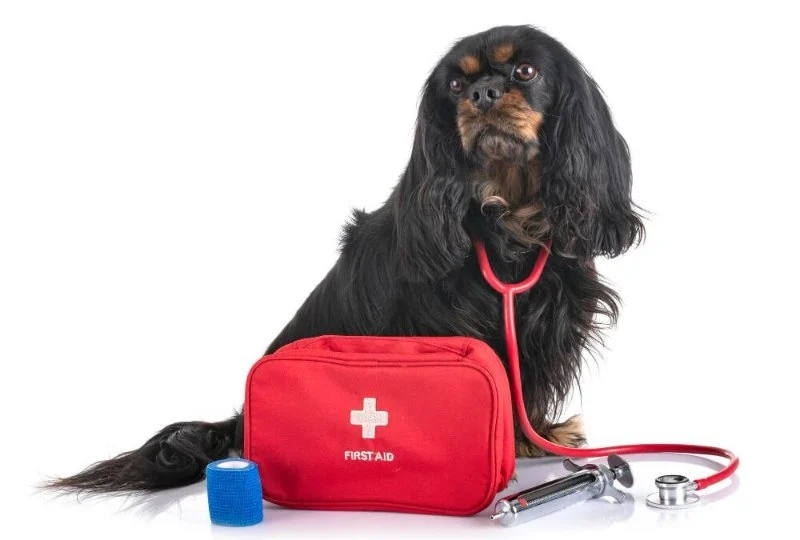
A well-prepared first aid kit is essential for anyone caring for older pets. Unlike general pet kits, a senior-focused kit should include items tailored to age-related conditions and slower recovery rates.
Essential components include sterile gauze, self-adhering bandages, digital thermometers, saline solution for eye cleaning, and vet-approved antiseptic wipes. Mobility aids such as soft support slings can also be extremely helpful for dogs with arthritis or hip dysplasia.
Many experienced pet owners in the UK also keep prescribed medications readily accessible, especially for conditions like heart disease or diabetes. However, these should always be stored securely and administered strictly under veterinary guidance.
A lesser-known but valuable addition is a calming wrap or blanket. Senior pets often become stressed during emergencies, and reducing anxiety can significantly improve recovery outcomes.
Platforms like RegPets often provide curated guidance on selecting appropriate pet care tools and emergency supplies tailored specifically for ageing animals.

Step-by-Step First Aid Responses for Common Emergencies
When dealing with senior pets, first aid response should always prioritise calmness and safety. Even minor incidents can escalate if the animal becomes stressed or disoriented.
For minor cuts or abrasions, gently clean the wound with saline solution and apply sterile gauze. Avoid using alcohol or hydrogen peroxide, as these can slow healing in older tissue.
If a senior dog collapses or shows signs of weakness, check breathing and pulse immediately. Keep the pet warm and avoid unnecessary movement until veterinary advice is obtained. In cases of suspected arthritis flare-ups or joint injuries, restrict movement and use a soft sling if necessary to assist mobility.
For senior cats experiencing sudden disorientation, ensure they are placed in a quiet, dim environment. Cats with cognitive dysfunction syndrome may become confused during stress, and calming surroundings can help stabilise them before transport to a vet.
Veterinarians often highlight that over-handling is a common mistake. Gentle, minimal intervention is usually the safest approach until professional care is available.
Real UK Pet Owner Story of Senior Dog Emergency Recovery
A pet owner from Surrey shared a memorable experience involving her 12-year-old Labrador named Toby. One evening, Toby suddenly struggled to stand and appeared disoriented. Initially, she assumed it was fatigue, but within minutes his condition worsened.
Following Vet-Approved First Aid Tips for Senior Pets she had learned previously, she kept Toby calm, wrapped him in a blanket, and avoided forcing him to walk. She immediately contacted her local veterinary clinic while monitoring his breathing.
The vet later diagnosed a sudden drop in blood sugar combined with arthritis-related weakness. Because of the owner’s quick response and calm handling, Toby recovered fully within a few days.
This story highlights how essential preparation and awareness can dramatically improve outcomes in emergency situations involving older pets.
Long-Term Care and Prevention Strategies for Aging Pets
First aid is only one part of senior pet care. Preventative strategies play an equally important role in maintaining long-term health and reducing emergencies.
Regular veterinary check-ups are essential, ideally every six months for older pets. These visits help detect early signs of kidney disease, arthritis progression, or heart conditions before they become severe.
Diet also plays a major role. Senior pets benefit from nutrient-rich, easily digestible food that supports joint health and immune function. Gentle daily exercise, such as short walks for dogs or interactive play for cats, helps maintain mobility without overexertion.
Environmental adjustments can also make a significant difference. Soft bedding, non-slip flooring, and easy access to food and water reduce physical strain and prevent accidents.
Owners who combine preventative care with Vet-Approved First Aid Tips for Senior Pets create a safer, more stable environment that supports both physical health and emotional wellbeing.
For pet owners looking to deepen their understanding of senior animal care or find trusted supplies, RegPets offers helpful resources and guidance designed specifically for ageing pets and their unique needs.
Caring for senior pets is ultimately about awareness, patience, and preparation. With the right approach, older dogs and cats can continue to enjoy comfort, dignity, and companionship well into their later years.



 Rixsters5.0 (3 reviews)
 Newtownards Reptiles and pets supplies5.0 (22 reviews)
 Chip and Scan5.0 (1 reviews)
 Minster Veterinary Centre4.0 (108 reviews)
 MMA Reptiles5.0 (67 reviews)
 The Ings Luxury Cat Hotel5.0 (79 reviews)
 Common Illnesses Explained: Keeping Your Guinea Pigs Healthy in the UK
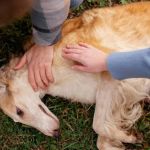 Complete Guide to First Aid Tips for Dogs: Essential Steps Every Pet Owner Should Know
 Flea and Tick Prevention for Pets in the UK: Essential Guide
 Best Practices for Allergy Care in Senior Pets
 UK Pet Owner’s Guide to Nutrition Tips for Dogs
 Vet-Approved Weight Management for Guinea Pigs – UK Care Guide