
- Understanding Cryptorchidism in Dogs
- Normal Testicle Development in Puppies
- How to Tell If Your Dog Has an Undescended Testicle
- Common Cryptorchidism Signs and Symptoms
- Breeds More Likely to Develop the Condition
- Health Risks of an Undescended Testicle
- Veterinary Diagnosis and Testing
- Treatment Options and Surgery
- A Real-Life Case That Highlights the Risks
- Recovery and Long-Term Care
- When to Contact a Veterinarian
Understanding Cryptorchidism in Dogs
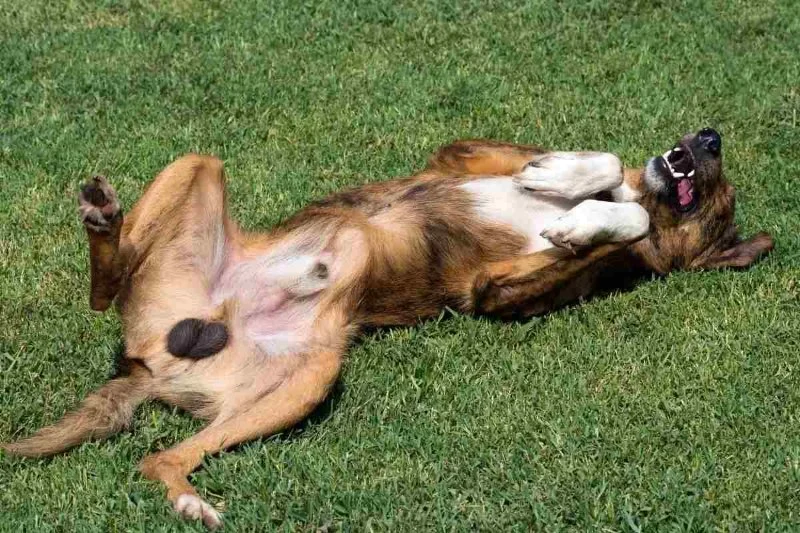
Many dog owners are surprised to learn that not all puppies develop normally when it comes to reproductive anatomy. One condition that veterinarians commonly encounter is cryptorchidism, a medical term describing a situation where one or both testicles fail to descend into the scrotum.
If you have been searching for information about how to tell if your dog has an undescended testicle, understanding cryptorchidism is the first step. While the condition may not seem serious at first glance, it can create significant health concerns later in life if left untreated.
In healthy male puppies, the testicles develop inside the abdomen before birth and gradually move through the inguinal canal into the scrotum. When this process does not occur correctly, one or both testicles remain trapped in the abdomen or groin area.
Cryptorchidism can affect dogs of all sizes and breeds, although certain breeds appear to have a stronger genetic predisposition. The condition is widely considered hereditary, which is one reason veterinarians generally advise against breeding affected dogs.

Normal Testicle Development in Puppies
1. What Happens During Early Growth?
Most male puppies are born with testicles located internally. During the first few weeks after birth, these testicles travel downward into the scrotum.
Veterinarians can often feel descended testicles by the time a puppy reaches six to eight weeks of age. However, some puppies may take slightly longer.
2. Typical Timeline
Although timelines vary, both testicles are generally expected to be present in the scrotum by six months of age. If one or both testicles are still missing after this point, the likelihood of spontaneous descent becomes extremely low.
3. Why Timing Matters
The earlier cryptorchidism is identified, the easier it is for owners and veterinarians to develop an appropriate management plan. Delaying diagnosis may increase the risk of complications.
How to Tell If Your Dog Has an Undescended Testicle
For many owners, the first clue comes during routine grooming, bathing, or a wellness examination.
1. Check the Scrotum Carefully
The most obvious sign is the presence of only one visible or palpable testicle inside the scrotum. A normal adult male dog should have two testicles of relatively similar size.
If you notice only one testicle, there is a possibility that the second testicle has failed to descend.
2. Observe Symmetry
Some owners notice that the scrotum appears unusually small or asymmetrical. In unilateral cryptorchidism, where only one testicle is retained, one side of the scrotum may appear empty.
3. Watch for Discomfort
While many dogs with cryptorchidism show no outward signs, some may display discomfort in the groin or abdominal area. This is especially true if complications develop.
4. Schedule a Veterinary Examination
Even experienced dog owners may struggle to identify an undescended testicle accurately. A veterinarian can perform a physical examination and determine whether additional testing is necessary.
Common Cryptorchidism Signs and Symptoms
Cryptorchidism signs vary depending on the dog's age, overall health, and whether one or both testicles are affected.
1. Missing Testicle in the Scrotum
This remains the most common and recognizable sign.
2. Smaller Scrotum
The scrotum may appear underdeveloped compared to dogs of the same breed and age.
3. Infertility Issues
Dogs with bilateral cryptorchidism, where both testicles remain undescended, are often infertile because retained testicles are exposed to higher internal body temperatures that impair sperm production.
4. Abdominal Discomfort
Some dogs may exhibit sensitivity when touched around the abdomen.
5. Behavioral Changes
Although less common, hormonal influences from retained testicles may contribute to unusual behaviors in some dogs.
6. Sudden Illness Later in Life
An undiagnosed retained testicle can sometimes twist, a condition known as testicular torsion. This medical emergency may cause:
- Vomiting
- Lethargy
- Loss of appetite
- Abdominal pain
- Restlessness
Breeds More Likely to Develop the Condition
While cryptorchidism can occur in any dog, veterinarians frequently report higher incidence rates among certain breeds.
Commonly Affected Breeds
- Yorkshire Terriers
- Pomeranians
- Miniature Schnauzers
- Toy Poodles
- Boxers
- German Shepherds
- Chihuahuas
- Shetland Sheepdogs
Breed predisposition supports the widely accepted belief that genetics play a major role in the condition's development.
Health Risks of an Undescended Testicle
Some owners assume that because their dog appears healthy, no treatment is necessary. Unfortunately, retained testicles carry several important risks.
1. Increased Cancer Risk
The most significant concern is testicular cancer. Retained testicles are far more likely to develop tumors compared with normally descended testicles.
Veterinary literature consistently identifies cryptorchid dogs as having a substantially elevated cancer risk throughout their lives.
2. Testicular Torsion
When a retained testicle twists inside the abdomen, blood flow becomes compromised.
This painful emergency often requires immediate surgery.
3. Hormonal Abnormalities
Certain tumors that develop within retained testicles can produce excess hormones.
Potential consequences include:
- Hair loss
- Skin changes
- Feminization syndrome
- Behavioral changes
4. Breeding Concerns
Since cryptorchidism is believed to have a hereditary component, breeding affected dogs may pass the condition to future generations.
Veterinary Diagnosis and Testing
Veterinarians use several approaches to confirm cryptorchidism.
1. Physical Examination
In many cases, a thorough physical examination is enough to identify a missing testicle.
2. Palpation of the Groin
Some retained testicles become lodged near the inguinal canal and can be felt manually.
3. Ultrasound Imaging
Ultrasound can help locate testicles hidden deeper within the abdomen.
4. Advanced Imaging
In rare cases, advanced diagnostic imaging may be recommended when locating the retained testicle proves challenging.
5. Blood Testing
Hormone-related testing can occasionally assist in confirming the presence of retained testicular tissue.
Treatment Options and Surgery
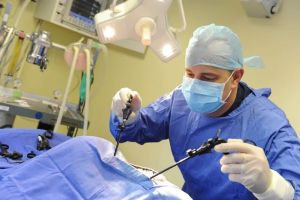
Once cryptorchidism has been confirmed, surgery is typically recommended.
1. Why Surgery Is Preferred
Removing the retained testicle eliminates the elevated risk of cancer and torsion.
Most veterinarians recommend removing both testicles during the procedure, effectively neutering the dog.
2. Surgical Complexity
The difficulty of surgery depends largely on the retained testicle's location.
Scrotal or Inguinal Retention
These procedures are often straightforward.
Abdominal Retention
Abdominal surgeries may require a larger incision and more advanced surgical techniques.
3. Recovery Expectations
Most dogs recover remarkably well following surgery.
Owners can generally expect:
- Temporary activity restrictions
- Pain management medications
- Follow-up examinations
- Incision monitoring
A Real-Life Case That Highlights the Risks
A veterinarian in a busy suburban practice shared a memorable case involving a seven-year-old mixed-breed dog that had never been neutered.
The owner had noticed only one testicle since puppyhood but assumed it was harmless because the dog appeared healthy for years.
One weekend, the dog suddenly became lethargic, stopped eating, and appeared uncomfortable. Emergency imaging revealed a tumor within a retained abdominal testicle.
Fortunately, surgery was successful and the dog recovered well. However, the situation served as a powerful reminder that cryptorchidism may remain silent for years before causing serious problems.
Stories like this are one reason veterinarians emphasize early diagnosis and treatment rather than waiting for symptoms to develop.
Recovery and Long-Term Care
1. Immediate Postoperative Care
The first two weeks following surgery are critical.
Owners should prevent excessive running, jumping, and rough play.
2. Monitor the Incision
Check daily for:
- Redness
- Swelling
- Discharge
- Excessive licking
3. Follow Veterinary Instructions
Completing all prescribed medications and attending follow-up appointments helps ensure a smooth recovery.
4. Long-Term Outlook
The prognosis for dogs treated before complications develop is excellent.
Most dogs go on to live completely normal lives after surgical correction.
For owners looking to stay informed about canine health concerns, preventive care options, and pet wellness resources, RegPets can be a useful place to explore additional information and guidance tailored to responsible dog ownership.
When to Contact a Veterinarian
If your puppy reaches six months of age and you cannot identify two testicles within the scrotum, schedule a veterinary examination. Early evaluation provides the best opportunity to confirm whether cryptorchidism is present and determine the appropriate next steps.
You should also seek veterinary attention immediately if your dog develops sudden abdominal pain, vomiting, weakness, loss of appetite, or swelling around the groin area.
Understanding how to tell if your dog has an undescended testicle can make a meaningful difference in protecting long-term health. While cryptorchidism may initially appear minor, prompt diagnosis and treatment can prevent serious complications such as cancer and testicular torsion. By recognizing the signs early, working closely with your veterinarian, and pursuing appropriate treatment, you can help ensure your dog enjoys a healthier and more comfortable future.

 Grove Veterinary Centre4.0 (381 reviews)
 KARENANNE DEVON REX CATS4.0 (2 reviews)
 Barwell Cattery4.0 (21 reviews)
 The Vet Ltd t/a Purple Vet4.0 (125 reviews)
 Wilson Veterinary Group, Bishop Auckland4.0 (347 reviews)
 Ribble Vets Leyland4.0 (19 reviews)
 htmlCopy codeHow to Improve Dogs Adoption Guide at Home
 How to Manage Your Pet’s Weight and Prevent Obesity: Expert Tips for Pet Owners
 UK Pet Owner’s Guide to Spaying and Neutering for Fish – Expert Advice
 Top 10 Puppy and Kitten Care Tips Every Kitten Owner in the UK Should Know
 Vet-Approved Allergy Care for Guinea Pigs: Best Practices and Tips
 The Importance of Nutrition Tips for Guinea Pigs – UK Edition