
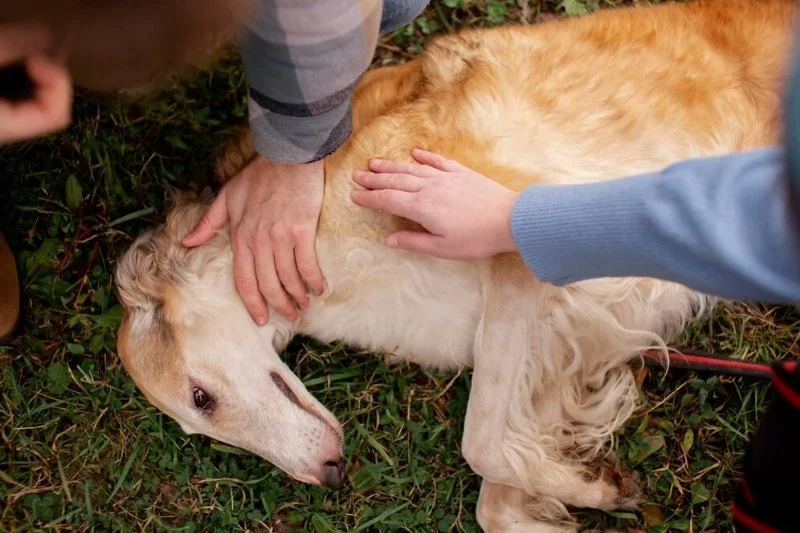
- Understanding Dog First Aid
- Common Dog Injuries and How to Handle Them
- What Should Be in Your Dog's First Aid Kit
- How to Perform First Aid on Your Dog
- When to Call the Vet: Knowing Your Limits
1. Understanding Dog First Aid
As a pet owner, knowing how to handle emergencies and provide first aid for your dog can make all the difference in a stressful situation. Dogs are active animals, often getting into scrapes, cuts, and accidents. Having the right knowledge can save your dog’s life, prevent further injuries, and keep them comfortable until professional veterinary help is available. First aid for dogs involves basic medical care that can stabilize your dog in the event of a minor or major injury. This includes actions such as stopping bleeding, treating burns, and performing CPR when needed.

Medivet Middleton St George
Middleton Saint GeorgeDarlingtonEngland
The Square, Yarm Rd, Middleton St George, Darlington DL2 1EG, UK
2. Common Dog Injuries and How to Handle Them
Dogs, especially active ones, are prone to various injuries. Here are some of the most common issues that pet owners might encounter and tips on how to address them:
- Minor Cuts and Scrapes: If your dog gets a small cut, clean the wound with lukewarm water and mild soap. Apply an antiseptic and cover the wound with a bandage. Keep an eye on it to prevent infection.
- Bleeding: For external bleeding, apply direct pressure with a clean cloth or bandage. If the bleeding doesn’t stop in 10-15 minutes, seek veterinary care immediately.
- Ingestion of Toxic Substances: If your dog eats something toxic, such as chocolate or a poisonous plant, immediately contact your vet. Don't try to induce vomiting without professional advice.
- Choking: If your dog is choking, carefully check the mouth to see if you can remove the object. If not, perform the Heimlich maneuver by applying gentle but firm pressure to the abdomen.
By staying calm and knowing the correct steps to take, you can help your dog in an emergency situation and ensure they get the proper care as soon as possible.

Kingston Veterinary Group
East Riding of YorkshireEngland
14-18 New Village Rd, Cottingham HU16 4LT, UK
3. What Should Be in Your Dog's First Aid Kit
Having a well-stocked first aid kit specifically for your dog is a key component of being prepared. The following items should be included:
- Antiseptic wipes or solution for cleaning wounds
- Gauze pads and bandages to cover injuries
- Adhesive tape to hold bandages in place
- Scissors to cut bandages or fur
- Thermometer to check for fever
- Tick remover for outdoor adventures
- Hydrogen peroxide to induce vomiting (only under veterinary supervision)
- Medications prescribed by your vet for specific conditions
It's a good idea to keep this first aid kit in a place that’s easily accessible, such as your dog’s travel bag or somewhere near the door, so it’s ready in case of emergencies.
4. How to Perform First Aid on Your Dog
Knowing how to perform first aid on your dog is an essential skill every pet owner should have. Below are some critical first aid steps you may need to perform in an emergency:
- Stopping Bleeding: Apply pressure to the wound using a clean cloth or bandage. If the bleeding is severe, elevate the limb (if possible) and continue applying pressure. If it doesn’t stop, take your dog to the vet.
- CPR for Dogs: If your dog is not breathing and has no pulse, CPR may be necessary. Place your dog on their right side, place your hands over their ribcage, and begin compressions. Perform mouth-to-snout resuscitation if the airway is blocked.
- Dealing with Burns: For minor burns, run cool water over the area for at least 10 minutes. For more severe burns, wrap the dog in a clean, wet towel and transport them to the vet as quickly as possible.
These are basic skills that could prove vital in a critical situation. It's always advisable to take a pet first aid course to ensure you have the necessary knowledge and confidence to help your dog when needed.
5. When to Call the Vet: Knowing Your Limits
While providing first aid at home is essential, knowing when to call a professional is just as important. You should contact your vet in the following circumstances:
- If the injury is too severe to treat at home.
- If your dog is showing signs of distress such as laboured breathing, fainting, or seizures.
- If the wound is large, deep, or located in a sensitive area (e.g., near the eyes, mouth, or genitals).
- If the situation involves a toxic substance or your dog ingests something harmful.
It's better to err on the side of caution when it comes to your dog's health. Even if you're unsure, calling your vet or emergency pet clinic for advice could save your dog's life.






 The Visiting Vet Company5.0 (74 reviews)
 Reptile Hunters4.0 (104 reviews)
 Grove Veterinary Centre4.0 (381 reviews)
 Vets4Pets - Sunderland4.0 (422 reviews)
 Pinewood Veterinary Practice Ltd4.0 (148 reviews)
 Millcroft Vets Cockermouth4.0 (845 reviews)
 Expert Vet Advice on Behaviour Training for Hamsters
 Best Practices for Dental Care in Fish
 Complete Guide to Puppy and Kitten Care for Birds
 Best Practices for Spaying and Neutering in Cats | RegPets
 Essential Tips for Caring for Senior Pets: A Complete Guide for Pet Owners
 UK Pet Owner’s Guide to Preventive Care for Guinea Pigs