
- Understanding-Guinea-Pig-Weight-Issues
- Why-Vet-Approved-Weight-Management-Matters
- Recognising-the-Signs-of-Overweight-Guinea-Pigs
- Creating-a-Balanced-Diet-Plan
- Exercise-and-Environmental-Enrichment
- Real-Life-UK-Cases-of-Successful-Weight-Control
- Monitoring-Progress-and-Vet-Checkups
- Support-Your-Guinea-Pigs-Health-with-RegPets
1. Understanding Guinea Pig Weight Issues
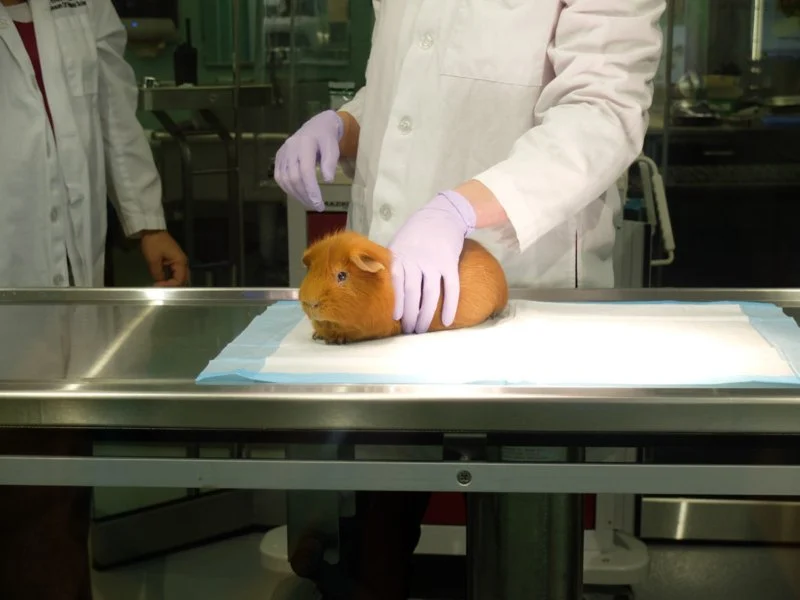
Guinea pigs, known for their charming personalities and endless appetite for hay, can easily gain excess weight if their diet and activity levels aren’t properly managed. In the UK, where small pets are often kept indoors, it’s easy for guinea pigs to become sedentary, leading to obesity and associated health risks such as heart strain, joint issues, and digestive complications.
Weight management for guinea pigs isn’t just about aesthetics—it’s about ensuring longevity and quality of life. Regular movement, a fibre-rich diet, and portion control play essential roles in maintaining their overall well-being.

Pepper Dogs Raw Food
BrottonRedcar and ClevelandEngland
Greenacres, Saltburn Rd, Brotton, Saltburn-by-the-Sea TS12 2RN, UK
2. Why Vet-Approved Weight Management Matters
A vet-approved weight management plan ensures that dietary adjustments and exercise routines are safe, sustainable, and appropriate for your guinea pig’s individual health status. Unlike generic online advice, veterinary guidance takes into account your pet’s breed, metabolism, and medical background.
For instance, a vet might recommend specific hay ratios or controlled pellet portions based on your guinea pig’s weight trend and activity level. In some cases, metabolic disorders or dental problems could be contributing to unhealthy weight gain, and only a professional assessment can identify these underlying causes.
3. Recognising the Signs of Overweight Guinea Pigs
3.1 Physical Indicators
An overweight guinea pig may develop a rounder body shape, loss of visible waistline, or fat deposits under the chin and abdomen. You might also notice less mobility or reluctance to run around the enclosure.
3.2 Behavioural Clues
A decrease in curiosity, difficulty grooming, or frequent resting can all indicate excess weight. Guinea pigs are naturally active creatures—if yours seems lethargic, it’s time to reassess diet and exercise routines.
4. Creating a Balanced Diet Plan
4.1 The Role of Fibre
Fibre is the cornerstone of a healthy guinea pig diet. High-quality hay should make up about 80% of their daily intake. It aids digestion, prevents obesity, and supports dental health. Timothy, meadow, or orchard hay are excellent UK-available options.
4.2 Fresh Vegetables and Portion Control
Leafy greens like romaine lettuce, coriander, and bell peppers provide essential nutrients without excessive calories. Avoid feeding starchy vegetables such as carrots or sweetcorn too often, as these can quickly lead to weight gain.
4.3 Limited Pellets and Treats
Commercial pellets should be carefully measured—typically one tablespoon per guinea pig per day. Treats, even the “healthy” ones, should be minimal and ideally vet-recommended. Fresh herbs are a better alternative for occasional rewards.
5. Exercise and Environmental Enrichment
5.1 Encourage Daily Movement
Exercise is crucial for maintaining a healthy weight. Allow your guinea pigs supervised floor time outside their cage daily. Safe playpens, tunnels, and hideouts encourage natural behaviours like running and exploring.
5.2 Stimulating Their Environment
Environmental enrichment prevents boredom-related overeating. Rotate toys, add foraging opportunities, and introduce new textures or scents in their enclosure. Even placing hay in multiple spots can promote movement and activity.
5.3 Multi-Level Enclosures
Adding ramps and upper platforms in the cage encourages climbing and natural exploration. Ensure ramps have secure grips to prevent slipping, especially for heavier guinea pigs.
6. Real-Life UK Cases of Successful Weight Control
In Manchester, a guinea pig named Daisy was brought to the vet overweight and lethargic. Her owner followed a vet-approved plan—reducing pellets, increasing hay, and scheduling daily playtime. Within three months, Daisy regained her energy and mobility.
Similarly, a pair of guinea pigs in Bristol, Toby and Muffin, benefited from environmental enrichment. Their owner introduced new tunnels and feeding puzzles, turning mealtime into active play. This change helped them shed weight while keeping them mentally stimulated.
7. Monitoring Progress and Vet Checkups
Consistent monitoring ensures your guinea pig’s weight stays within a healthy range. Use a kitchen scale to track weekly changes and record the data in a simple logbook. Any sudden weight fluctuations—gain or loss—should prompt a vet visit.
Veterinary professionals in the UK often offer small pet wellness checks, which can include body condition scoring, dietary advice, and tailored exercise recommendations. Regular visits not only support weight management but also detect early signs of other health issues.
8. Support Your Guinea Pig’s Health with RegPets
Keeping your guinea pig healthy requires the right balance of nutrition, movement, and professional guidance. At RegPets, you can find high-quality products—from premium hay and vitamin-enriched pellets to exercise accessories—specially designed for small pets.
Explore expert resources and carefully curated items to support vet-approved weight management and overall wellness for your guinea pig. With RegPets, UK pet owners can ensure their beloved companions stay active, healthy, and full of life.



 White Cross Vets4.0 (406 reviews)
 Old Courts Veterinary Centre - Brigg4.0 (312 reviews)
 petsandus0.0 (0 reviews)
 Sandown Boarding Cattery4.0 (9 reviews)
 The Paw Emporium4.0 (19 reviews)
 Pets at Home Lisburn4.0 (1008 reviews)
 Best Practices for Nutrition Tips in Cats
 Complete Guide to Nutrition Tips for Hamsters
 How to Prepare Your Pet for Their Annual Checkup – UK Pet Owner's Guide
 Common Vaccination Myths Debunked by UK Vets – Essential Facts for Pet Owners
 Complete Guide to Seasonal Health Tips for Reptiles
 How to Choose the Right First Aid Tips for Fish in the UK