
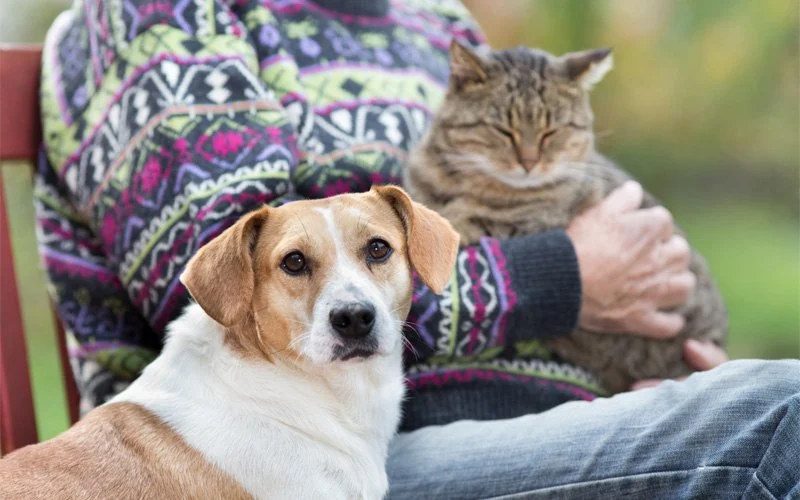
Why Senior Pets Need Special Care
As pets age, their health needs change. Senior pets, typically defined as those over 7 years old, require special attention to maintain their quality of life. Just like humans, pets go through physical and mental changes as they age, and being proactive with their care can help manage these changes effectively. In the UK, many pet owners face the challenge of keeping their senior pets comfortable and healthy, especially as they encounter new health issues.

Minster Veterinary Centre
Newark-on-TrentNottinghamshireEngland
Malt Park, Maltkiln Lane, Newark-on-Trent, Newark NG24 1HN, UK
The Aging Process in Pets
Older pets tend to slow down, may lose some of their mobility, and can develop conditions like arthritis or cognitive dysfunction. Understanding the aging process in your pet is the first step in ensuring they live a happy, healthy life during their golden years. With proper care, many senior pets can still enjoy a fulfilling life, playing, eating well, and bonding with their families.

Common Illnesses in Senior Pets
Senior pets are more prone to certain illnesses due to the natural aging process. As a pet owner, it's essential to be aware of these common conditions so you can take preventive steps or seek appropriate treatment when necessary. Here are some of the most common health issues affecting older pets:
1. Arthritis and Joint Pain
Arthritis is one of the most common conditions affecting senior pets, particularly in dogs and cats. It causes inflammation in the joints, leading to pain and stiffness. Pets with arthritis may become less active, have difficulty climbing stairs, or seem reluctant to play. Regular veterinary check-ups, weight management, and joint supplements can help alleviate symptoms and improve mobility.
2. Kidney Disease
Kidney disease is another prevalent condition in older pets, particularly in cats. As pets age, their kidneys can lose function, leading to symptoms like increased thirst, frequent urination, and weight loss. Kidney disease is manageable with a special diet and medications, so early diagnosis is critical to prolonging your pet’s life.
3. Dental Disease
Dental health is often overlooked in pets, but poor oral hygiene can lead to serious health problems. Senior pets are especially at risk for dental disease, which can cause gum infections, tooth loss, and even heart disease. Regular dental check-ups, along with daily brushing or dental chews, can help maintain your pet's oral health.
4. Cognitive Dysfunction Syndrome (CDS)
Much like Alzheimer’s in humans, cognitive dysfunction syndrome (CDS) affects pets’ cognitive function as they age. Symptoms include disorientation, changes in sleeping patterns, and decreased interest in activities. CDS can be managed with medication and dietary supplements that support brain health, allowing your pet to maintain cognitive function for longer.
5. Heart Disease
Heart disease becomes more common as pets age. Older pets may show symptoms like coughing, difficulty breathing, or lethargy. Regular check-ups with your vet can help catch heart issues early. Lifestyle changes, such as reducing salt intake and managing your pet’s weight, can help support heart health.
Signs of Health Issues to Watch for
Knowing the signs of potential health problems is crucial for senior pet owners. By recognizing early symptoms, you can provide the necessary care and get treatment before conditions worsen. Here are some key signs to watch for:
1. Change in Eating or Drinking Habits
Increased or decreased appetite, changes in drinking habits, or sudden weight loss or gain are often signs of an underlying health issue. Kidney disease, diabetes, and dental issues are some common conditions that can affect eating and drinking behavior in senior pets.
2. Lethargy or Reduced Activity
Senior pets often sleep more, but if your pet suddenly becomes lethargic or shows a significant decline in their activity level, it could indicate a health problem such as arthritis, heart disease, or even pain from an undiagnosed issue.
3. Difficulty Moving or Pain
If your senior pet has trouble getting up, climbing stairs, or walking, it could be a sign of arthritis, muscle weakness, or joint pain. Pain should always be addressed with veterinary care to ensure your pet remains comfortable.
How to Support Your Senior Pet’s Health
Taking care of a senior pet requires a combination of preventive measures and regular monitoring of their health. Here are some tips to help support your pet’s well-being:
1. Regular Vet Check-ups
Senior pets need more frequent vet visits, typically every six months, to catch health problems early. Regular check-ups allow your vet to monitor your pet's overall health and catch any emerging conditions before they become serious.
2. Proper Nutrition
A balanced diet is essential for senior pets. As pets age, their nutritional needs change. Look for senior-specific pet food that is designed to provide the right nutrients, including joint support and lower calories to prevent obesity. Consult your vet to determine the best food for your pet’s age and condition.
3. Regular Exercise
Even though senior pets may not be as active as they were in their younger years, regular, gentle exercise is crucial to maintaining their health. Short, frequent walks or playtime can help keep their joints flexible and their weight in check. Always adjust activity levels based on your pet’s individual needs.
4. Comfort and Rest
Ensure your senior pet has a comfortable place to rest. Orthopedic beds, soft blankets, and easy access to their resting spot can help alleviate pain and make them feel secure. Providing a quiet and safe environment can also reduce stress, especially if your pet suffers from cognitive dysfunction.
Finding the Right Care for Your Senior Pet
As a pet owner, you want the best care for your senior pet. Whether it’s finding the right food, treatment, or a trusted veterinarian, having the right resources can make all the difference. At RegPets, we offer a wide range of products and services to support your senior pet’s health, from high-quality food to joint supplements and expert care advice.
By understanding the common health issues that affect senior pets and taking preventive measures, you can help your furry friend live a long, comfortable, and happy life. With regular check-ups, proper care, and attention, your senior pet will continue to bring joy to your life for many years to come.



 Border Vets4.0 (81 reviews)
 Darvill's Pets Gardens and Florist4.0 (319 reviews)
 Pets at Home Barnsley Cortonwood4.0 (538 reviews)
 Pets at Home Teesside4.0 (762 reviews)
 Country Cats4.0 (6 reviews)
 K9 Bonus5.0 (4 reviews)
 Pet Dental Care in the UK: Why Regular Vet Visits Matter for Your Pet’s Health
 Pet Dental Care in the UK: Why Regular Vet Visits Are Crucial
 UK Pet Owner’s Guide to Health Checkups for Puppies
 The Importance of Emergency Vet Advice for Reptiles in the UK
 How to Recognize and Handle Allergies in Dogs and Cats
 Best Practices for Spaying and Neutering Cats: A Complete Guide