
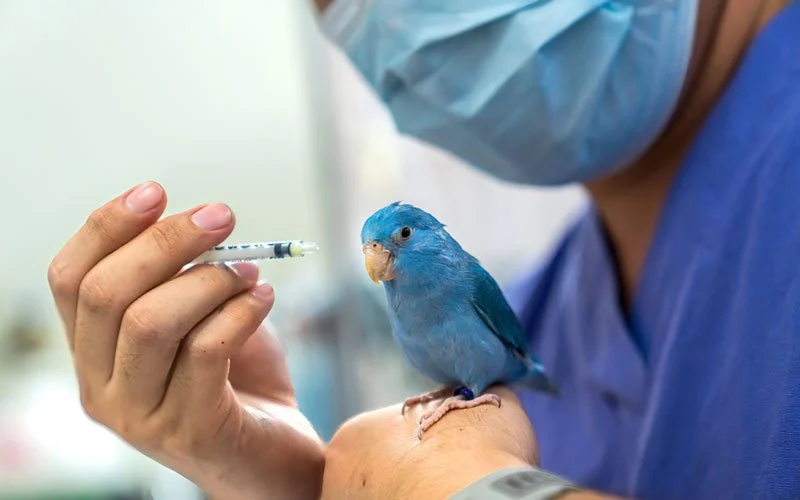
- early-signs-recognition - Understanding subtle behavioural changes in birds
- respiratory-digestive-issues - Common illness patterns in pet birds
- home-care-best-practices - Safe at-home supportive care methods
- vet-intervention-importance - When professional avian help is required
- prevention-and-hygiene - Long-term habits for healthier birds
Understanding Health Challenges in Pet Birds in the UK Household Environment
Keeping pet birds in a UK home brings companionship, colour, and personality into daily life, but it also comes with a responsibility that many new bird owners underestimate. Birds are naturally skilled at hiding illness. In the wild, showing weakness makes them vulnerable, so even in domestic environments they tend to mask symptoms until a condition becomes more advanced.
In everyday care situations, owners often notice something feels “off” long before they can identify a clear problem. A budgie that was once vocal becomes unusually quiet. A parrot that normally interacts begins sitting still at the bottom of the cage. These subtle signals are often the earliest stage of what later becomes a diagnosable condition.
Best Practices for Common Illnesses in Birds focus heavily on early awareness, because timing can dramatically affect recovery outcomes. Understanding behaviour, diet changes, and feather condition becomes just as important as medical treatment itself.

Harrison Family Vets, Stockon-on-Tees
Durham Rd, Stockton-on-Tees TS19 9AA, UK
Early Signs That Indicate a Bird May Be Unwell
Recognising early symptoms is often the difference between a minor condition and a serious avian emergency. Many UK bird owners report that the first noticeable sign is not physical illness, but behavioural change.
One common pattern involves reduced vocalisation. Birds like cockatiels and African greys are typically expressive, so silence can be an early warning signal. Another sign is fluffed-up feathers that remain raised even in warm environments. This posture often indicates the bird is conserving energy due to underlying illness.
There are also subtle digestive indicators. Changes in droppings—whether in colour, consistency, or frequency—are key markers of internal health. Even slight shifts can suggest infections or dietary imbalances.
In real UK pet-owner communities, there was a widely shared case of a rescue budgie in Manchester that appeared perfectly fine except for slightly watery droppings. Within 48 hours, veterinary diagnosis confirmed a bacterial infection. Early observation allowed for full recovery, reinforcing how critical these small details can be.

Common Illness Patterns Found in Domestic Birds
Birds kept in UK homes most frequently experience respiratory and digestive issues. These are often linked to environmental conditions such as humidity levels, ventilation, and diet quality.
Respiratory issues may present as wheezing, tail bobbing during breathing, or nasal discharge. These symptoms are particularly common in homes where airflow is limited or where irritants like aerosols or scented candles are used.
Digestive disorders often stem from improper feeding routines. Seeds alone do not provide balanced nutrition, and long-term seed-heavy diets can lead to liver problems or nutrient deficiencies.
Avian care experts often stress that prevention begins with environment control. Clean cages, filtered air, and structured feeding schedules significantly reduce illness risks.
Within Best Practices for Common Illnesses in Birds, professionals often emphasise that prevention is not just medical—it is environmental and behavioural.
Safe Home Care Approaches Before Veterinary Treatment
When symptoms first appear, immediate panic can lead to harmful decisions. Instead, calm and structured observation is recommended before intervention.
A warm, quiet environment is often the first step. Sick birds conserve energy more effectively when stress is reduced. Keeping the cage in a stable, low-noise area can significantly improve comfort levels.
Hydration is also critical. Birds may refuse water when unwell, so ensuring easy access and observing intake becomes essential. Soft, nutrient-rich foods can sometimes encourage eating during early illness stages.
One real-life example shared in a UK avian forum involved a cockatiel that stopped eating after a mild respiratory infection. The owner created a warm recovery space and offered softened vegetables. While veterinary treatment was still necessary, these early steps helped stabilise the bird before medication began.
For owners seeking reliable bird care guidance and supportive care tools, RegPets often provides curated recommendations designed specifically for avian health maintenance and recovery environments.
When Professional Avian Veterinary Care Becomes Essential
While home care can support early recovery, there are clear situations where professional intervention is non-negotiable. Birds deteriorate quickly compared to many other pets, meaning delays can be dangerous.
If breathing becomes laboured, or if a bird stops eating entirely for more than 24 hours, veterinary attention is urgently required. Similarly, visible injuries, bleeding, or neurological symptoms such as imbalance or head tilting should never be treated at home alone.
UK avian veterinarians often highlight that birds can decline rapidly within hours. This makes timely response a critical part of responsible ownership.
Best Practices for Common Illnesses in Birds always include knowing when not to wait. Early veterinary consultation significantly increases survival and recovery rates.
Long-Term Prevention Strategies for Healthier Birds
Prevention remains the most effective form of avian care. Many long-term health issues can be avoided through consistent routines and environmental awareness.
A balanced diet is the foundation. Fresh vegetables, formulated pellets, and controlled seed intake support immune function and organ health. Clean water should always be available and replaced daily.
Cage hygiene plays an equally important role. Regular cleaning prevents bacterial build-up and reduces respiratory risks. Toys and perches should also be rotated and sanitised to avoid contamination.
Mental stimulation is another often-overlooked factor. Birds that experience boredom may develop stress-related behaviours that weaken immunity. Interactive toys, social interaction, and environmental enrichment are essential components of long-term care.
A well-documented case from a UK bird rescue centre showed that parrots introduced to structured enrichment routines experienced fewer recurring illnesses compared to those in minimal-stimulation environments. This highlights the connection between mental health and physical wellbeing in birds.
Creating a Stable and Safe Environment for Everyday Bird Health
Maintaining a stable environment is one of the most effective ways to reduce illness risk. Temperature fluctuations, drafts, and chemical exposure are common household hazards that often go unnoticed.
Bird cages should be positioned away from kitchens and windows where temperature changes occur frequently. Air quality is particularly important, as birds are highly sensitive to fumes from cleaning products or cooking.
Owners who consistently follow Best Practices for Common Illnesses in Birds often report fewer emergency vet visits and improved long-term behaviour in their pets.
For additional guidance on improving home environments and selecting safe bird care essentials, RegPets offers helpful resources tailored to everyday avian wellness needs.


 Medivet Peterborough Whittlesey4.0 (359 reviews)
 Minster Equine Practice, Malton0.0 (0 reviews)
 Kentdale Referrals4.0 (296 reviews)
 Fraser Veterinary Physiotherapy5.0 (2 reviews)
 Brookdale Boarding Cattery4.0 (133 reviews)
 Pets Corner4.0 (352 reviews)
 What to Expect During Your Pet’s First Vet Visit: A Guide for UK Pet Owners
 Vet-Approved Nutrition Tips for Fish
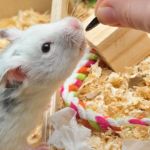 Expert Vet Advice on Behaviour Training for Hamsters
 The Role of Regular Blood Tests in Monitoring Pet Health in the UK
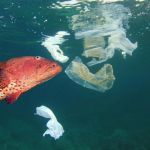 How to Choose the Right First Aid Tips for Fish in the UK
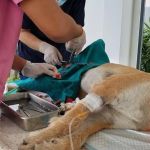 Spaying and Neutering Explained: Keeping Your Reptiles Healthy in the UK