
Safe and Stress-Free Dog Nail Trimming at Home: A Practical UK Owner’s Guide
- understanding-why-dog-nail-trimming-matters-for-health-and-comfort
- preparing-the-right-tools-and-setting-up-a-calm-environment
- step-by-step-guide-to-safe-nail-trimming-at-home
- real-life-experience-of-a-first-time-uk-dog-owner
- how-to-build-a-long-term-safe-grooming-routine
Understanding Why Dog Nail Trimming Matters for Health and Comfort
Many dog owners in the UK underestimate the importance of regular nail maintenance. Overgrown nails are not just a cosmetic issue—they can significantly impact a dog’s posture, walking pattern, and overall joint health. When nails grow too long, they push the toes upward, causing discomfort that eventually affects the hips and spine.
Veterinarians often compare untreated nail overgrowth to wearing shoes that are constantly too tight. Dogs may begin to shift their weight unnaturally, leading to long-term strain. This is especially important for older dogs or breeds prone to joint problems, where mobility preservation is a priority.

Kathryn's Cattery
Townend Farm, 109 - 111 Town End Rd, Ecclesfield, Sheffield S35 9YX, UK
Preparing the Right Tools and Setting Up a Calm Environment
Before attempting dog nail trimming, preparation is essential. The right tools typically include a pair of sharp dog nail clippers, a styptic powder (for accidental bleeding), and a towel to gently restrain anxious dogs if necessary. Many UK pet owners also prefer using nail grinders for better control and smoother finishes.
The environment plays a huge role in success. Dogs are sensitive to stress signals, so choosing a quiet, well-lit space without distractions can help significantly. It is often helpful to introduce the clippers to the dog beforehand, allowing them to sniff and become familiar with the tool.
A calm owner creates a calm pet. Taking a few minutes to soothe your dog with gentle petting or treats before starting can make the entire process smoother and safer.
Step-by-Step Guide to Safe Nail Trimming at Home
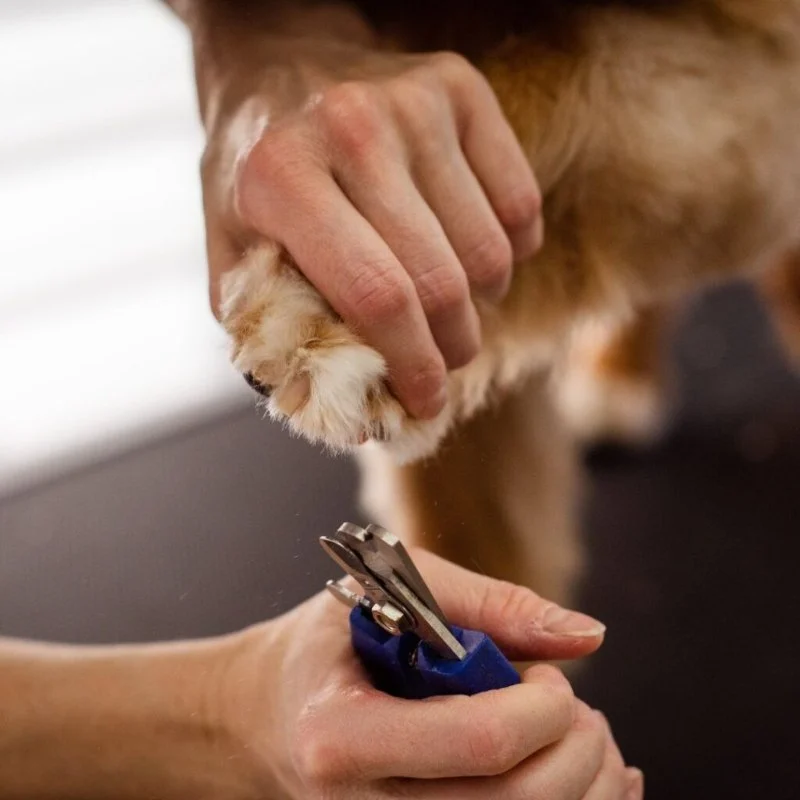
When learning how to trim dog nails safely, patience is more important than speed. The key is to avoid cutting into the “quick,” which is the sensitive blood vessel inside the nail.
Step 1: Identify the Right Length
Look at your dog’s nails from the side. Ideally, nails should not touch the ground when the dog is standing. If you hear clicking sounds on hard floors, it is a sign that trimming is overdue.
Step 2: Hold the Paw Gently but Firmly
Stabilising the paw helps prevent sudden movements. A secure but gentle grip is essential to avoid injury or discomfort.
Step 3: Trim Small Sections at a Time
Instead of cutting deeply, remove small portions gradually. This reduces the risk of hitting the quick and allows better control.
Step 4: Reward and Reassure
Positive reinforcement is powerful. Offering treats after each paw builds trust and reduces anxiety over time.
For owners who feel uncertain, professional grooming services remain a safe alternative. However, many find that with practice, home grooming becomes a bonding experience rather than a stressful chore.
Real-Life Experience of a First-Time UK Dog Owner
A first-time dog owner from Manchester once shared her experience of trimming her rescue dog’s nails for the first time. Initially, the dog resisted heavily due to previous neglect and fear. Instead of forcing the process, she spent a week slowly desensitising the dog to touch around the paws.
By introducing the clippers gradually and pairing each step with rewards, the dog eventually relaxed. After a few sessions, nail trimming became a manageable routine rather than a struggle. This story reflects a common truth: consistency and patience matter more than perfection.
Many owners discover similar success when they stop rushing the process and instead focus on trust-building. In cases like these, guidance from trusted resources such as RegPets can also help owners choose the right grooming tools and techniques tailored to their pet’s temperament.
How to Build a Long-Term Safe Grooming Routine
Long-term success in dog nail care comes from routine rather than occasional effort. Establishing a monthly or bi-weekly schedule ensures nails never reach uncomfortable lengths. Over time, dogs become accustomed to the process, reducing stress for both owner and pet.
Monitoring paw health should also become part of regular grooming. Checking for cracks, splits, or signs of infection helps catch problems early. This is particularly important in the UK’s wet climate, where paws are frequently exposed to damp surfaces.
Some owners integrate nail care into broader grooming sessions that include brushing and ear cleaning. This creates a predictable routine that dogs begin to associate with care and comfort rather than stress.
Ultimately, safe nail trimming at home is not just about technique—it is about communication and trust. With the right approach, even nervous dogs can learn to tolerate and eventually accept the process.




 Rixsters5.0 (3 reviews)
 Newtownards Reptiles and pets supplies5.0 (22 reviews)
 Chip and Scan5.0 (1 reviews)
 Minster Veterinary Centre4.0 (108 reviews)
 MMA Reptiles5.0 (67 reviews)
 The Ings Luxury Cat Hotel5.0 (79 reviews)
 Common Illnesses Explained: Keeping Your Guinea Pigs Healthy in the UK
 Complete Guide to First Aid Tips for Dogs: Essential Steps Every Pet Owner Should Know
 Flea and Tick Prevention for Pets in the UK: Essential Guide
 Best Practices for Allergy Care in Senior Pets
 UK Pet Owner’s Guide to Nutrition Tips for Dogs
 Vet-Approved Weight Management for Guinea Pigs – UK Care Guide